Meteor showers offer some of the most spectacular celestial displays of the year, and 2026 brings a strong mix of reliable favorites and rewarding viewing opportunities. Knowing when to look — and how moonlight may affect each peak — is key to catching the best shooting stars. Among the most prolific meteor showers this year are the Perseids, Geminids and Orionids.
The Perseids, peaking on the night of Aug. 12 into the early hours of Aug. 13, are a perennial fan favorite — and in 2026 they get a major boost from dark, moon-free skies, making this one of the year's best meteor-watching opportunities. The Geminids peak overnight on Dec. 13–14 and remain a strong contender, with only modest moonlight expected to interfere during the peak. The Orionids, peaking overnight on Oct. 21–22, are slightly less fortunate this year, as a bright moon may wash out some of the fainter meteors, though patient observers can still catch brighter streaks after midnight.
Here's how, where and when to experience these shooting star shows — and make the most of 2026's meteor shower season.
Meteor showers 2026

January: Quadrantids

The Quadrantid meteor shower is one of the strongest and most consistent showers of the year. It is active (and visible) between Dec. 28 and Jan. 12.
The Quadrantids will next peak around Jan. 3-4, 2026.
The moon will interfere with the 2026 Quadrantids as it will be in the full moon phase and 100% illuminated.
The shower's radiant is in the constellation Bootes. The easiest way to find it is to look north for the Big Dipper. Then, follow the "arc" of the Big Dipper's handle across the sky to the red giant star Arcturus, which anchors the bottom of Bootes.
April: Lyrids
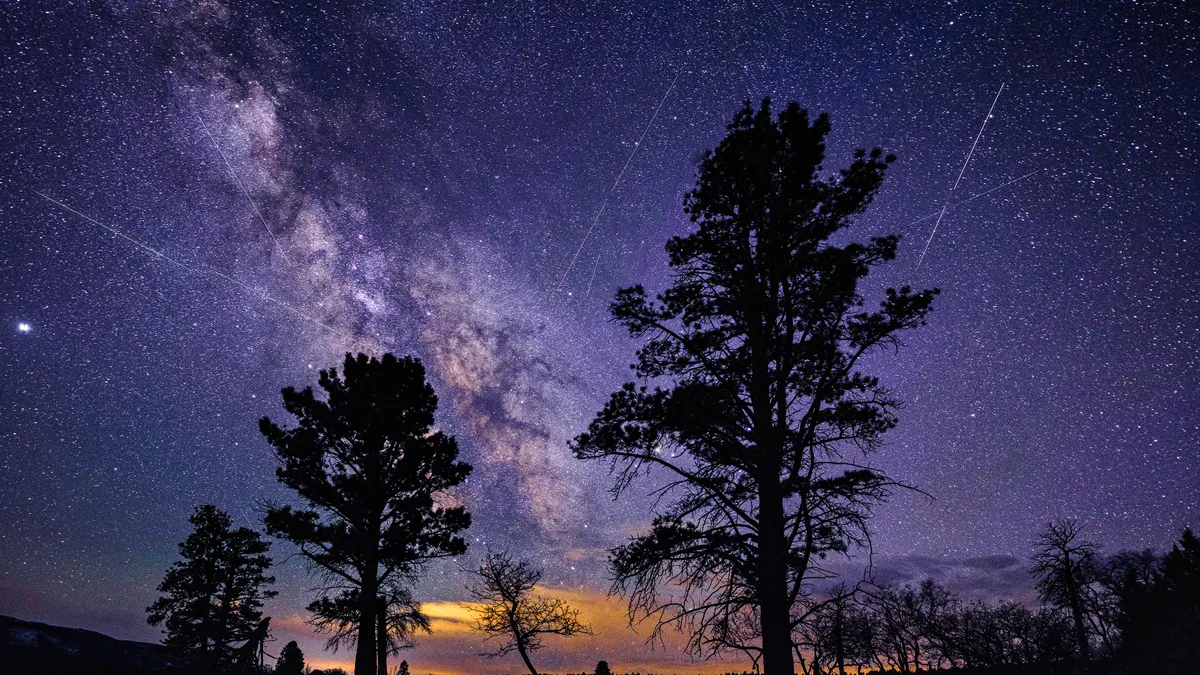
The Lyrid meteor shower is a medium-strength shower that occurs between April 16-25 every year.
The Lyrids will next peak on April 22, 2026, displaying a maximum of about 18 meteors per hour in a clear sky. Late evening April 21 until dawn April 22 will be the best time to view the Lyrids.
The Lyrids will peak under a waxing crescent moon, meaning moonlight interference will be relatively low. With only about a quarter of the moon illuminated, viewing conditions should be generally favorable, especially after midnight when the radiant is higher in the sky. Observers can expect a good chance of spotting both brighter meteors and some fainter streaks under clear skies.
May: Eta Aquariids
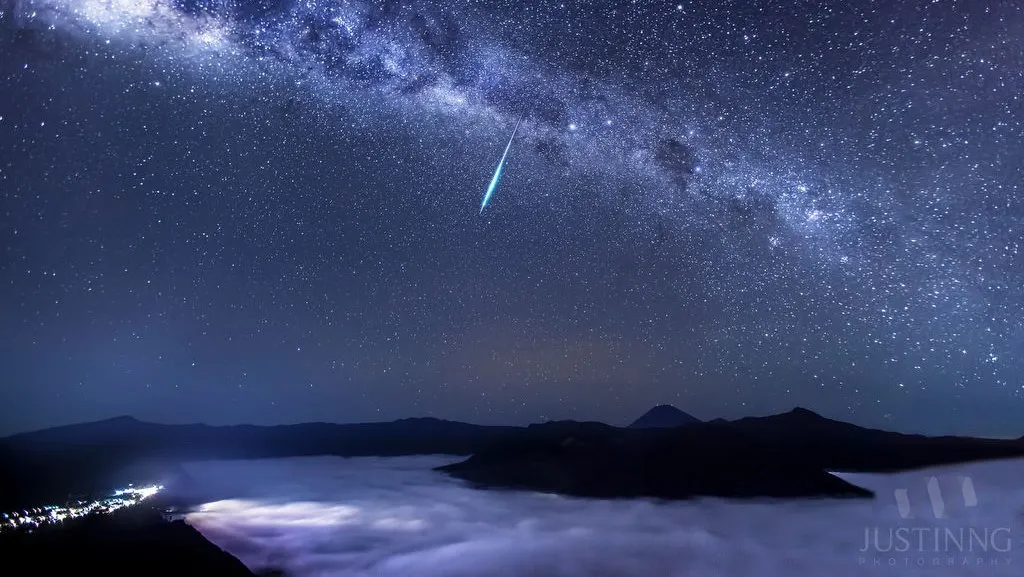
The Eta Aquariid meteor shower is active between Apr. 15 and May 27.
The Eta Aquariids will next peak around May 5-6, 2026. The best time to watch will be in the hours before dawn on May 5.
The Eta Aquariids will peak under a bright waning gibbous moon, resulting in significant moonlight interference. Many fainter meteors will be washed out, particularly for observers at northern latitudes. However, the shower’s fast-moving meteors can still produce bright streaks, especially in the hours before dawn.
August: Perseids

The Perseid meteor shower is one of the most prolific showers of the year, producing rich, bright streaks. The Perseids are active from mid-July until late August and will peak on the night of Aug. 12 2026, before dawn on Aug. 13, according to Royal Museums Greenwich.
The Perseids peak under a new moon, delivering excellent viewing conditions in 2026. With no moonlight to interfere, skywatchers can expect dark skies that allow even fainter meteors to stand out. This makes the Perseids one of the best meteor showers of the year for both casual observers and astrophotographers.
October: Draconids
The Draconid meteor shower has staged some dramatic outbursts in the past but nowadays its show is far from extravagant. In recent years, the Draconids have been relatively quiet, producing few meteors and no noticeable outbursts of activity.
The shower is active between Oct. 6-10, peaking around Oct. 8, 2026.
The Draconids will peak under a very thin crescent moon, meaning moonlight interference will be minimal. While the Draconids are typically a low-rate shower, dark skies will improve the chances of spotting any brief outbursts or brighter meteors.
October: Orionids

Like the Eta Aquariids, the Orionid meteor shower is a by-product of Halley's Comet. The Orionids are active from Sept. 26 to Nov. 7 and will peak overnight around Oct. 21-22, 2026, with clear-sky rates of about 20 meteors per hour.
The best time to view the Orionids is around 2 a.m. when the radiant is highest in the sky. However, this year, the Orionids peak under a bright waxing gibbous moon, which will wash out many fainter meteors. Viewing conditions will be less favorable than average, though brighter Orionids may still be visible after midnight. Observers should seek out the darkest possible skies to improve their chances.
November: Taurids
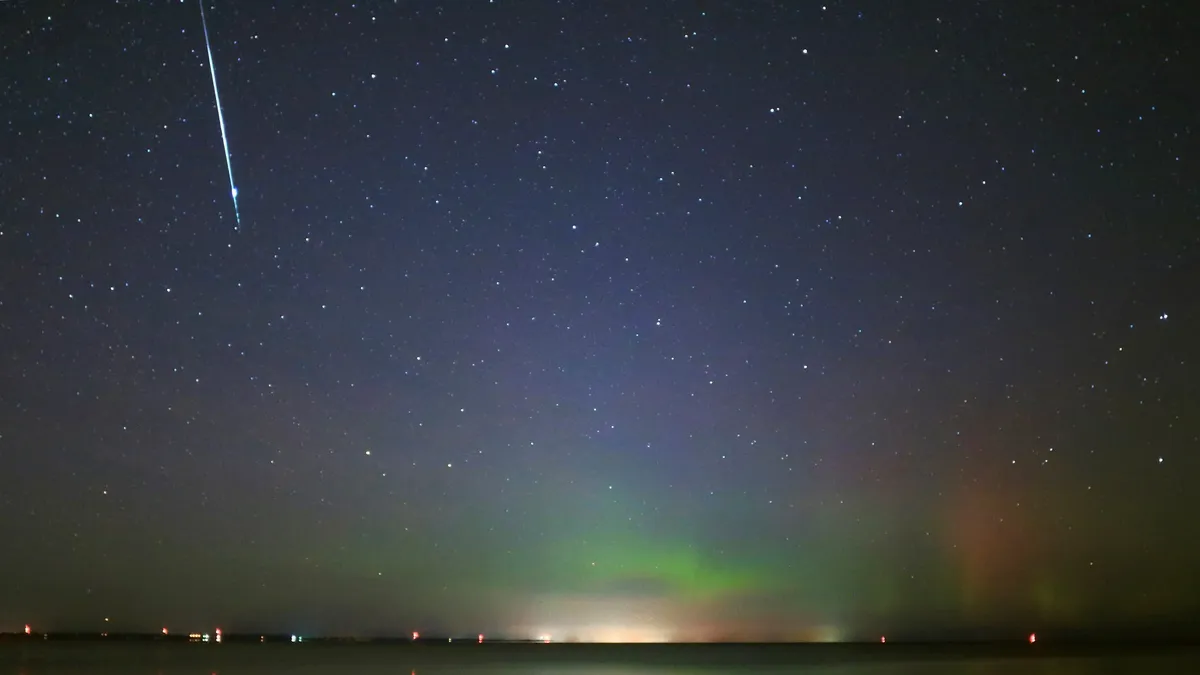
The Taurid meteor shower is an annual meteor shower that occurs every November and is composed of two streams, the Southern Taurids and the Northern Taurids. The Taurids put on a rather modest show, especially when compared with August's Perseid meteor shower or December's Geminid meteors.
Southern Taurids (peak Nov. 4–5, 2026)
The Southern Taurids will peak under a waning crescent moon, creating favorable viewing conditions. With limited moonlight, observers may have a better chance of spotting the Taurids’ signature slow-moving, often bright fireballs.
Northern Taurids (peak Nov. 11–12, 2026)
The Northern Taurids also benefit from dark skies, with very little moonlight to interfere. While the shower produces relatively low rates, these conditions make 2026 a good year for Taurid watching, particularly for patient observers.
November: Leonids
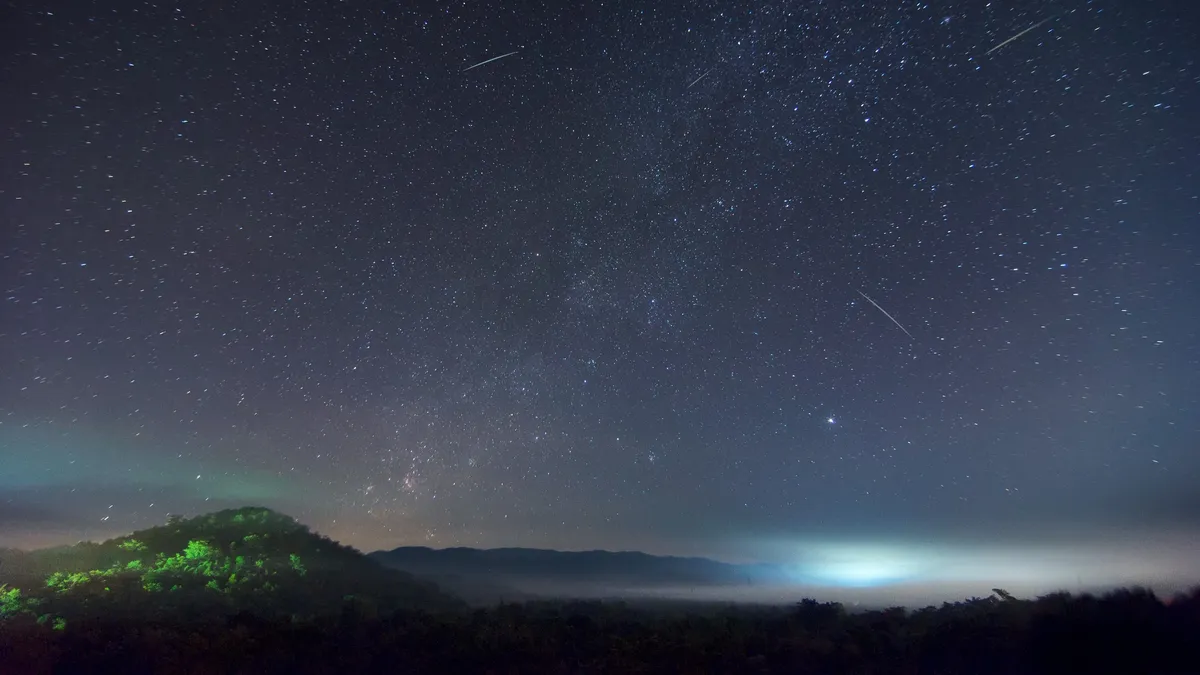
The Leonid meteor shower offers clear-sky meteor rates of about 10 to 15 shooting stars per hour. The Leonids are active between Nov. 3 and Dec. 2 and will next peak around Nov. 17, 2026. The best time to look for the Leonids will be late on the night of Nov. 16 until dawn on Nov. 17.
The Leonids are bright meteors and have a high percentage of persistent trains according to AMS.
Related: The most amazing Leonid meteor shower photos
The Leonids will peak under a half-illuminated moon, resulting in moderate moonlight interference. Some fainter meteors may be lost, but brighter Leonids and occasional persistent trains should still be visible, particularly later in the night as the radiant climbs higher.
December: Geminids
The Geminid meteor shower occurs between Nov. 19 to Dec. 24 and will next peak overnight on Dec. 13-14, 2026. The shower can produce up to 120 meteors per hour under perfect dark sky conditions.
The Geminids are one of the most prolific meteor showers of the year, second only to the Perseid meteor shower in August.
The Geminids peak under a waning crescent moon, offering generally favorable viewing conditions. With relatively low moonlight, this prolific shower should deliver an impressive display, especially after midnight when skies are darkest.
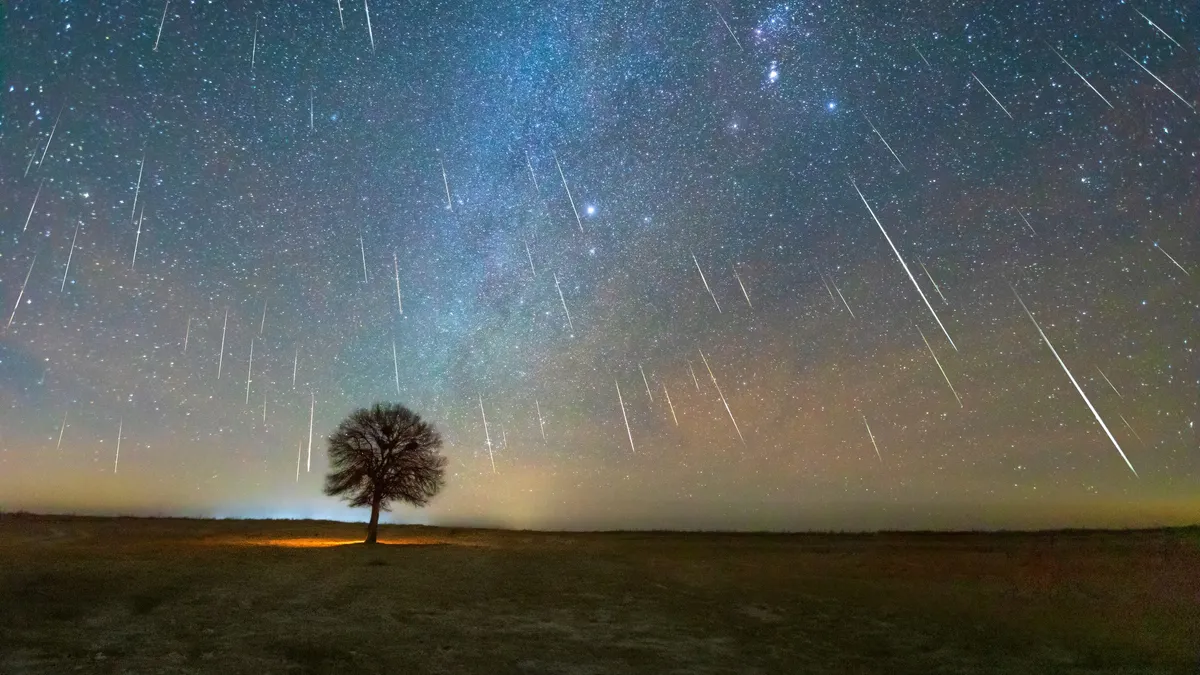
December: Ursids
The Ursid meteor shower is active between Dec. 13-24 and will next peak overnight on Dec. 22-23, 2026. They're generally a fairly sparse display, producing approximately five meteors per hour, according to Royal Museums Greenwich.
The Ursids will peak under a bright waxing gibbous moon, leading to poor viewing conditions. As this is already a low-rate meteor shower, moonlight will likely limit visibility to only the brightest meteors.
How to see a meteor shower

If you're looking for a good camera for meteor showers and astrophotography, our top pick is the Nikon D850.
Meteor showers are an investment of time and preparation is key to seeing them, according to Cooke, but it's worthwhile because it's cheap — no telescope or binoculars are necessary — and the simplest form of astronomy there is.
Meteor shower observing can't be done on a whim, but it's pretty straightforward: Get away from bright lights, take time to adjust your eyes to the night sky and avoid looking at your cellphone if you get bored. The bright screen can throw a wrench in your efforts to adjust your night vision. "My suggestion to my friends who want to observe meteors is, leave your phone inside," said Cooke.
Give your eyes 30-45 minutes to adapt to the dark, he said, and take in as much of the sky as possible by lying down flat on your back. Meteors can appear anywhere in the sky, and the more sky you see, the better your chance is to spot one.
Each shower has a radiant, or a point in the sky where the meteors appear to originate. Knowing where the radiant is can be helpful, though the longer streaks will be visible farther away from the radiant. "You do not want to look at the radiant," Cooke said. "A good philosophy is to lie on your back and look straight up. And that way, you take in as much of the sky as you can."
If you want more advice on how to photograph the Taurids, check out our how to photograph meteors and meteor showers guide and if you need imaging gear, consider our best cameras for astrophotography and best lenses for astrophotography.

Keep in mind that some sky conditions can impede the successful viewing of shooting stars. Cloud coverage could block the sky, and the moon could also tarnish meteor shower viewing even on a clear night. Depending on the moon phase the amount of moonlight will wash out the faint meteors.
To calculate sunrise and moonrise times in your location check out this custom sunrise-sunset calculator. Sometimes meteor showers produce exceptionally bright streaks. Observers can occasionally spot fireballs, or meteors brighter than Venus, the brightest planet in the night sky. The rate of shooting stars can be higher than usual in some instances, too, when the stream of space rocks gets a gravitational "nudge" from the planet Jupiter.
Related: Brilliant yellow-green fireball lights up sky above England (video, photos)
What causes meteor showers?
Meteor showers happen when Earth passes through the debris field of a comet or asteroid as these objects make their way around the sun, shedding "crumbs" along the way. That's why a given meteor shower generally appears around the same time each calendar year. And occasionally, when Jupiter gets close to a stream of debris, its immense gravity perturbs the particles, nudging them slightly closer to Earth and thereby increasing the number of meteors visible in the night sky. Occasionally, this can produce outbursts or brief periods of intense activity in which skywatchers can see more than 1,000 meteors per hour.
Most annual meteor showers don't outburst, though, and are typically classified as strong, medium or weak showers, depending on their peak rates.
Additional resources
Explore meteor showers in more detail and discover the difference between sporadic meteors and meteor showers with Geology.com. Learn more about meteor showers with these FAQs from NASA. Find out how we predict the intensity of meteor showers with BBC Science Focus.
Follow us on Twitter @Spacedotcom or Facebook