Look to the western sky about 30-90 minutes after sunset on April 19 for a fleeting but incredible sight, as the razor-thin crescent moon shines above the Pleiades open star cluster and Venus in the early spring sky.
The upturned 11%-lit waxing crescent moon will shine approximately 20 degrees above the western horizon — the width of two clenched fists held at arm's length — just two days after the new moon on April 17.
A cluster of stars surrounded by a diffuse glow should be visible to the lower right of the thin lunar crescent. That's the Pleiades, a collection of over 1,000 blue-white stellar bodies colloquially known as the Seven Sisters, after its most prominent members: Asterope, Alcyone, Celaeno, Electra, Maia, Taygete and Merope.
Venus will be visible below the moon, appearing as a bright evening star setting just two hours after the sun, so be sure to find a clear view of the western horizon if you hope to see the three striking objects come close to lining up in the evening sky!
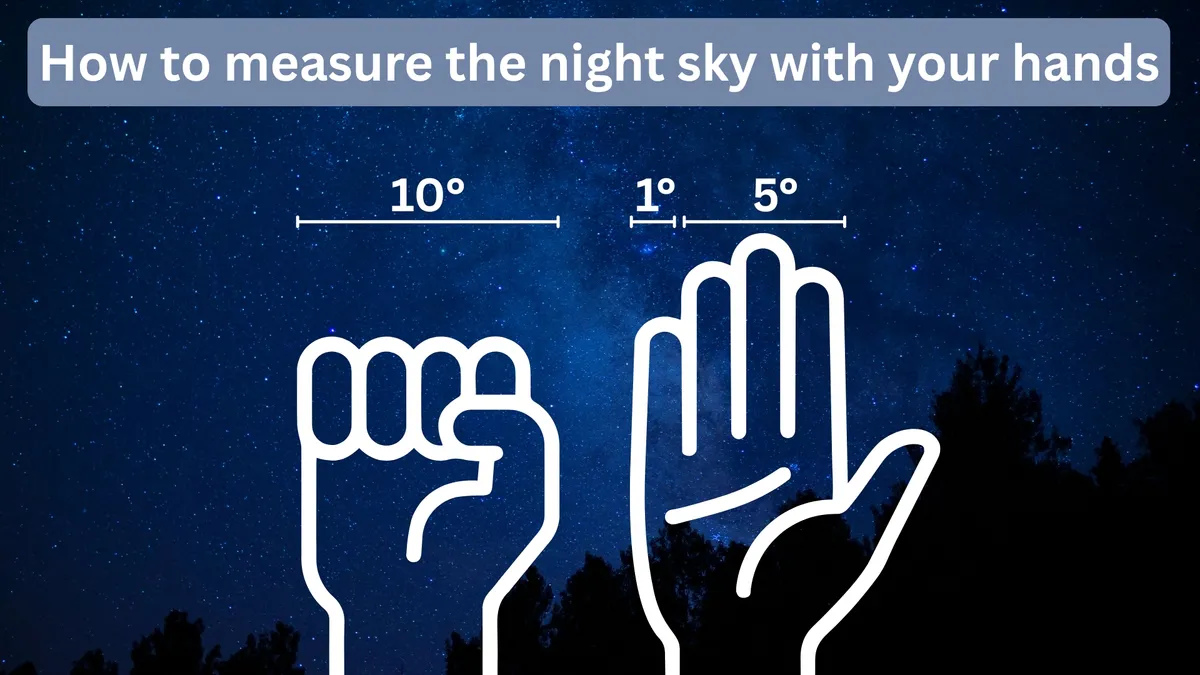
The ice giant Uranus will lurk 5 degrees to the upper right of Venus at a magnitude, or brightness, of just +5.8, making it almost impossible to spot with the naked eye. Its proximity to the horizon will make it even more challenging to spot on the evening of April 19. However, a pair of binoculars or a telescope may allow you to resolve its tiny greenish disk hanging in the blackness of space.
You may notice a soft glow illuminating the shadowed side of the lunar disk as it glides silently towards the horizon, as sunlight bounces off Earth's cloudy surface to strike its natural satellite. The phenomenon — known as "earthshine", the "Da Vinci Glow", or "the old moon in the new moon's arms"- is most easily seen on the nights surrounding the new moon phase, when the angle between the moon and Earth leaves them well positioned to share our sun's light.
Want to see the wonders of the cosmos for yourself but aren't sure where to start? Then why not check out our beginner's guide to stargazing, along with our picks of the best telescopes and binoculars for exploring the post-sunset realm.
Editor's Note: If you capture a photo of the moon and Pleiades and want to share it with Space.com's readers, then please send your photo(s), comments, and your name and location to spacephotos@space.com.