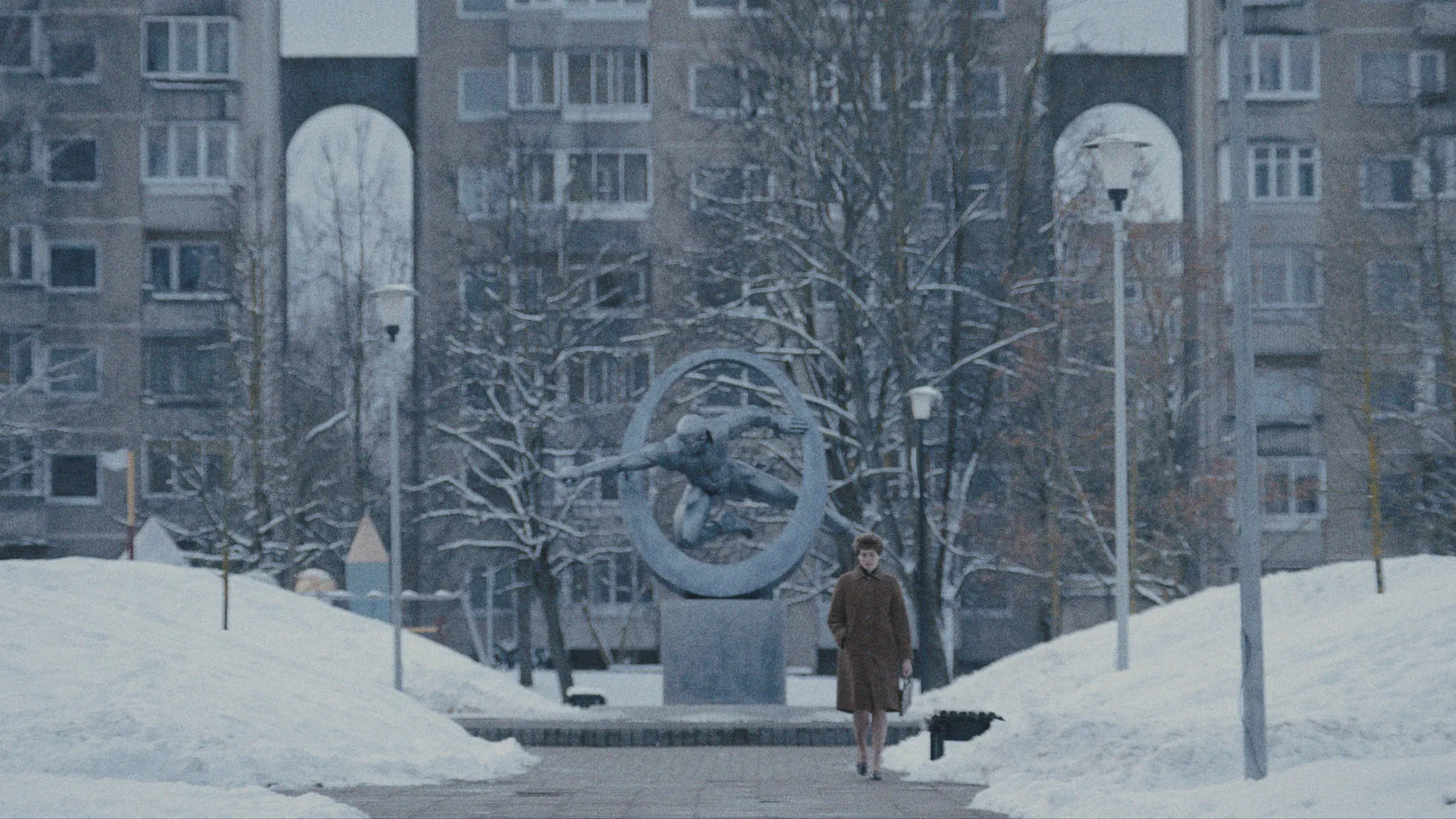
Sergei Korolev was one of the most pivotal figures in the early days of space exploration. This Ukraine-born engineer had one hell of a resumé, having overseen the development of the R-7 rocket (derivations of which are still in use on Soyuz spacecraft), Sputnik, and Vostok programs. He was a major reason why the USSR beat the USA in most of the early exchanges of the Space Race, as the first satellite, first man in orbit, first woman in orbit, and first spacewalker all hailed from the eastern side of the Iron Curtain.
Most people in the Soviet Union, however — even his closest colleagues — didn't even know his name. Instead, he was referred to simply as "the Chief Designer" during his lifetime, as Communist party officials were paranoid he'd become an assassination or defection target for their Cold War rivals in Washington.
SPOILERS FROM EPISODES 1 AND 2 OF STAR CITY AHEAD
Korolev's death during surgery is also the "Sliding Doors" moment that sets the alternative timeline of "For All Mankind" in motion. The Apple TV show's creators, Ronald D Moore, Matt Wolpert, and Ben Nedivi, have all identified the engineer's 1966 passing as the point at which their fictional universe diverged from history. The theory goes that, had Korolev survived, the USSR would have maintained its advantage in the Space Race and beaten Apollo 11 to the Moon in 1969.
Over five seasons (to date), "For All Mankind" has extended that thought experiment deep into the 21st century, turbo-charging space exploration to a point where thousands of humans call Mars home. But the new spin-off show "Star City" has gone back to the days before the parent show started turning into "The Expanse".
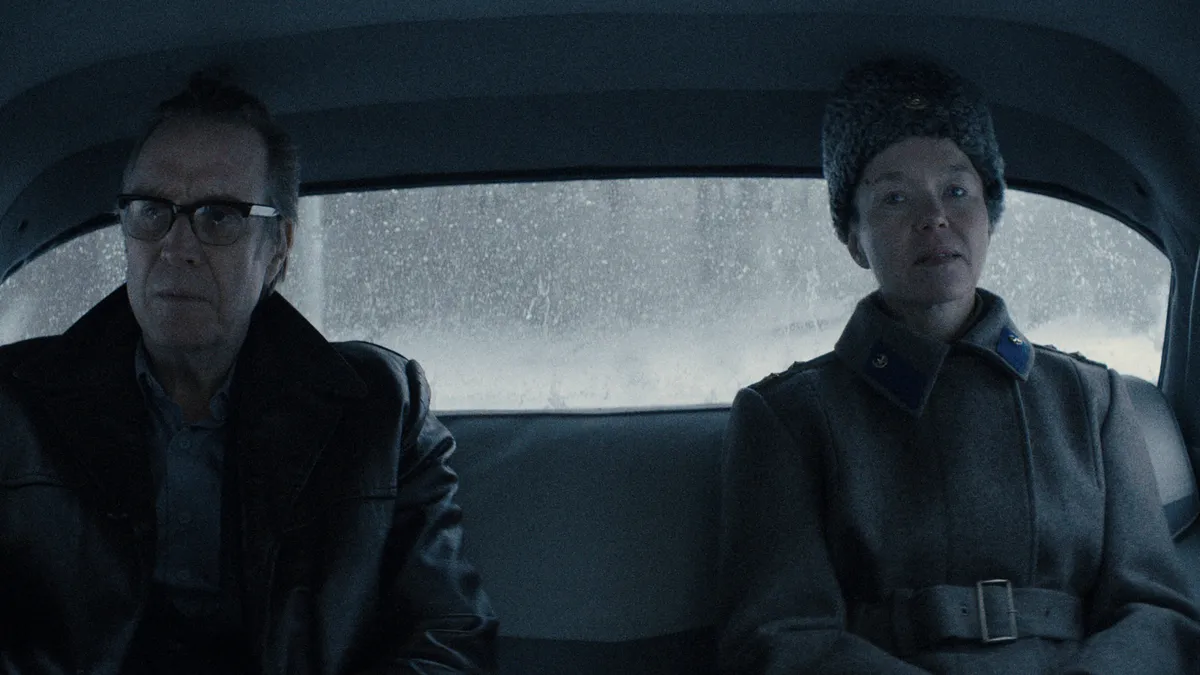
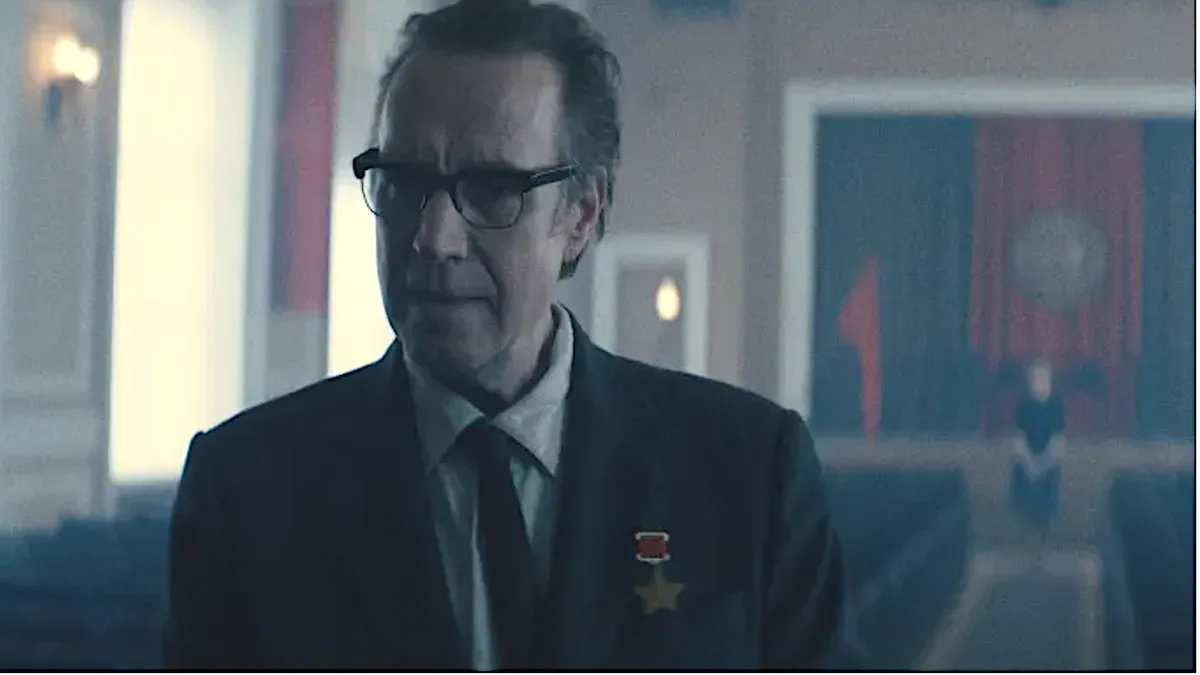
Like "For All Mankind," it opens with Alexei Leonov planting the flag of the USSR on the lunar surface, but this time we see it from the Soviet perspective, in a mission control overseen by the aforementioned "Chief Designer" (played by Rhys Ifans). Even though it's fiction, this meticulously realized period piece is quite the eye-opener for anyone with an interest in space exploration.
Apollo is one of the best-documented human endeavors in history. Many of NASA's key players (from Neil Armstrong and Buzz Aldrin to Nazi rocket scientist Wernher von Braun) became household names, while the stories — even those of "failures" like Apollo 13 — have been retold as many times as those of the Beatles.
The entire western world was watching when Armstrong took that first small step onto the lunar surface, but the contrast with the Soviet version of events couldn't be more striking.
In "Star City"'s opening episode, "The Eyes", there's no advance hype for Leonov's groundbreaking moonwalk. Indeed, even his own wife has no idea that her husband is a long way from home, and only learns he's in outer space when KGB agents come knocking in the dead of night and escort her to mission control — arguably not the most pleasant (or celebratory) way to learn that a loved one has just become a hero of the state.
As "Star City" co-showrunner Nedivi told SFX magazine: "Obviously there was a lot of research done into the Soviet space programme when we were working on 'For All Mankind', because so much of that concept started from a place of them [the USSR] and us [the US]. And the more we read and researched it, the more we were fascinated by it. One of the challenges of 'For All Mankind' was that there was so much already known about the early days of the American space programme, about Apollo — there have been countless movies, TV shows, and books about it. But with the Soviet space programme, nobody really knows so much at all, even now. I think the secrecy of it was what made it so intriguing."
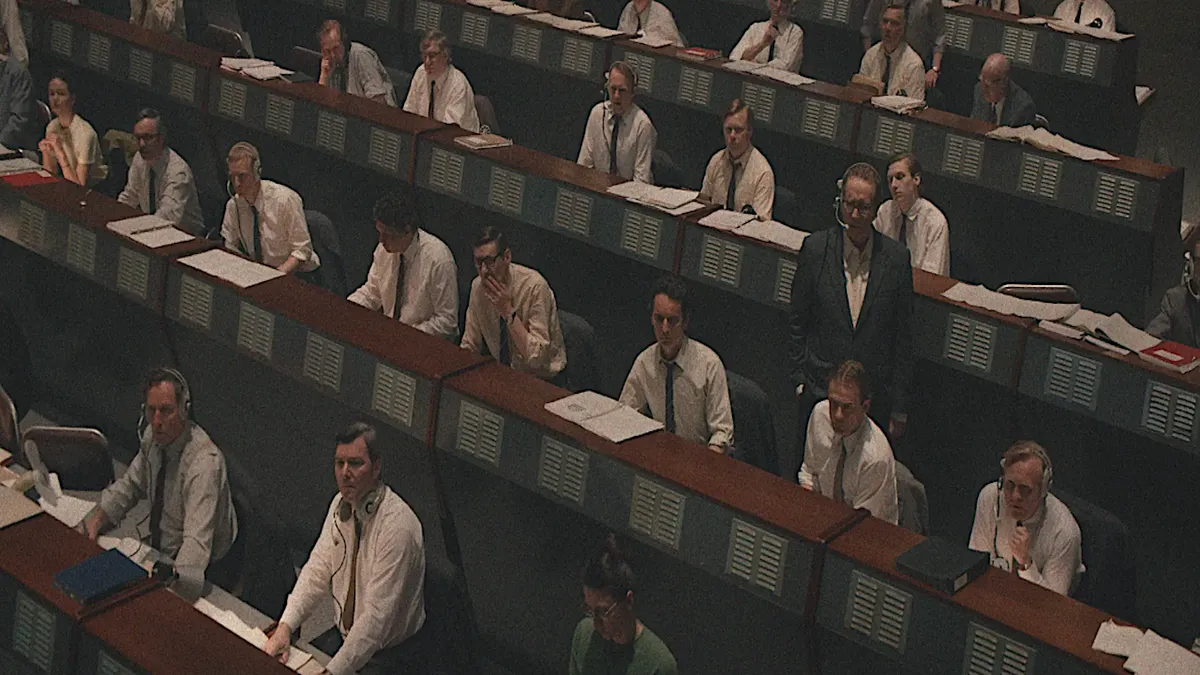
That obsession with keeping everything on a need-to-know basis — where the Party decrees that practically no one needs to know — is at the heart of "Star City". Even the Soviet space program's eponymous base of operations was a state secret, its location unknown to everyone but the chosen few. How different to the NASA equivalents at Cape Canaveral (then Cape Kennedy) and Houston, which were already well established in the national lexicon by the late '60s.
And while putting a human on the Moon was undoubtedly a very expensive propaganda exercise for the United States, too, "Star City" takes political machinations to the next level. It's as much "Tinker Tailor Soldier Spy" as "The Right Stuff".
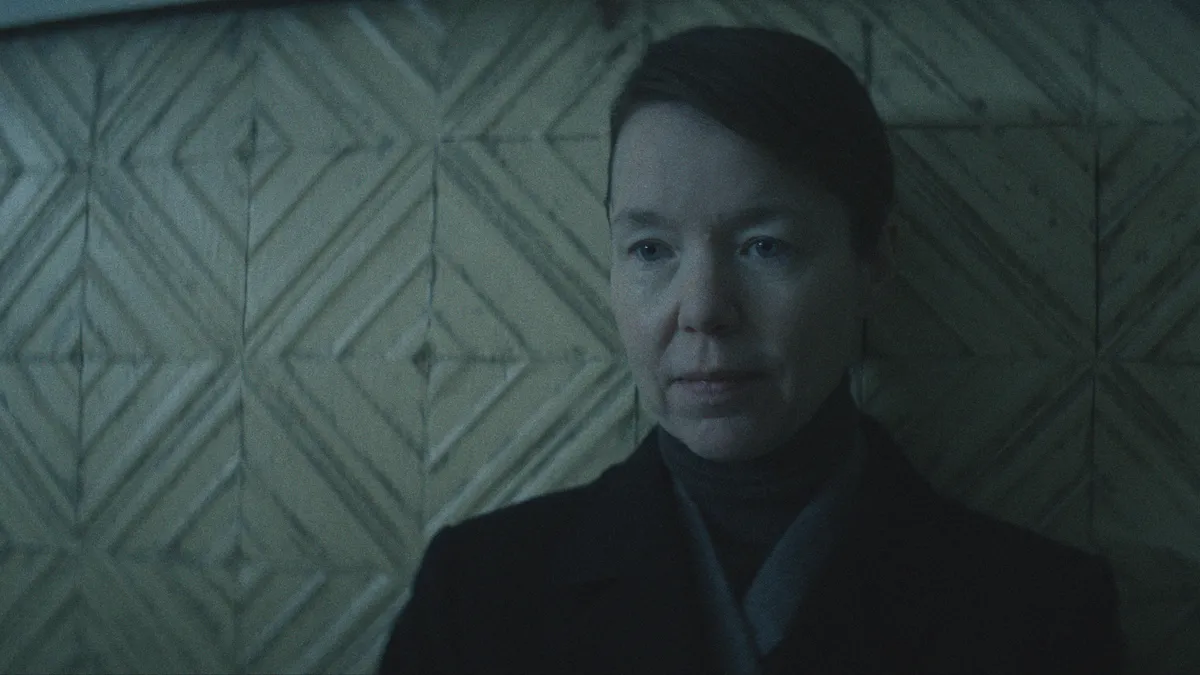
For all the "Chief Designer"'s influence, KGB officer Lyudmilla Raskova (Anna Maxwell Martin) is the true power in this version of the Soviet space program. She employs a vast surveillance team — including Irina Morozova (Agnes O'Casey), who'll go on to run Roscosmos in later seasons of "For All Mankind" — to know everything about the cosmonauts and engineers on the payroll. In her own words, she wants to "know what every person is thinking before they think it".
The show leans heavily into conspiracy theories that Yuri Gagarin's death was no accident. So when high-flying (but outspoken) cosmonaut Yana Akhmatova (Niamh Algar) is falsely accused of spying for the Americans, it turns out to be easier to execute her than exonerate her. As Raskova coldly explains, "We do not arrest the innocent."
And when first woman on the Moon Anastasia Belikova's (Alice Englert) speech veers away from a government-mandated script, the powers-that-be threaten to replace her with a more compliant lookalike ahead of a publicity tour to Paris. It makes the ongoing question over whether Armstrong's famous "One small step…" speech was misquoted look like a mere triviality.
There's also an inescapable sense of cosmonauts being forced to live on the edge far more than their astronaut counterparts. Early on in "For All Mankind", astronaut Ed Baldwin (Joel Kinnaman) complains that NASA's safety-first approach cost America the Moon. But look at the interior of Belikova's capsule, and it's clear no expense has been wasted on comfort.
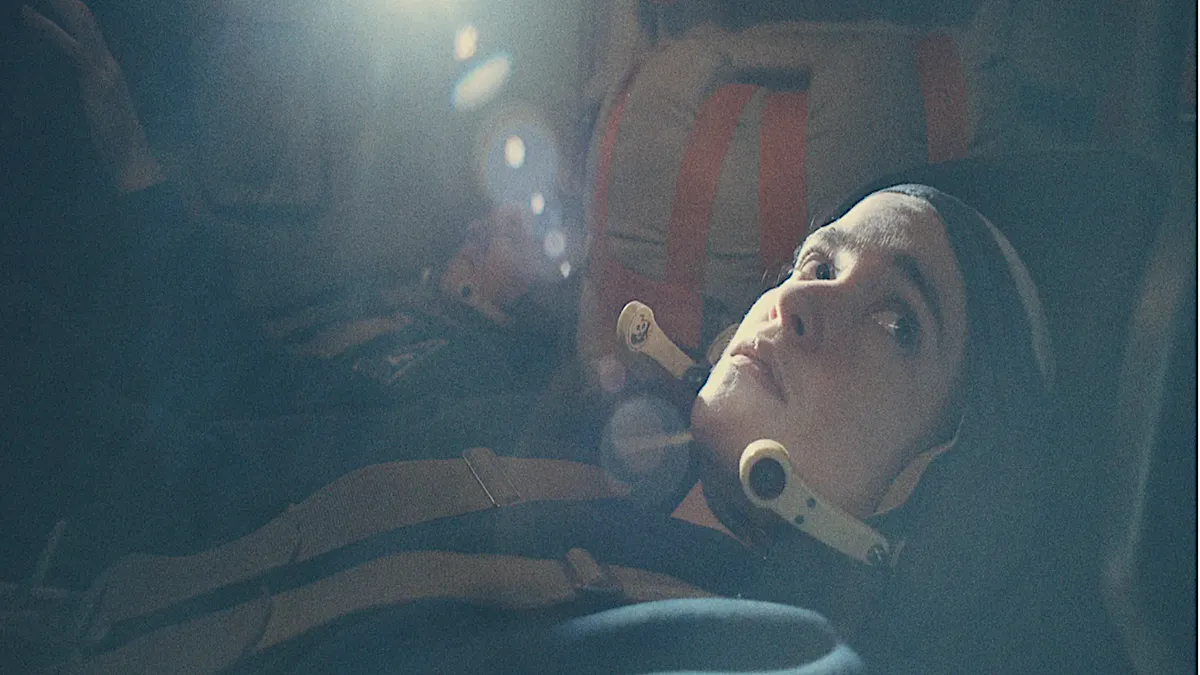
It's particularly interesting to compare her transfer to the lunar lander to the complex, almost balletic maneuvers the Apollo command modules performed to dock with their LEMs. Instead, she has to make a precarious spacewalk to enter the tiny vessel that will carry her to the Moon.
The cosmonauts are effectively the human equivalent of first dog Laika, sacrificing themselves — if necessary — for the good of the wider populous. And that relentless ambition shows no sign of slowing.
After the Soviet flag is planted on the lunar surface for a second time, there's talk of Soviet missions to Venus and building bases on the Moon. Most of the show is fiction, of course — the real Sergei Korolev had died long before the timeframe of "Star City" — but it's an intriguing glimpse at another way of doing things, an Iron Curtain away from the popular image of Apollo's superstar heroes.
"For All Mankind" has undoubtedly lost some of its original period cool since it's upped the science fiction quotient with missions to Mars and beyond. "Star City" offers a chance to go back to those early days, but with added Cold War paranoia and plenty of danger — both in outer space and closer to home.
The first two episodes of 'Star City' are available now on Apple TV. New episodes debut on Fridays. Five seasons of 'For All Mankind' are also available on the platform.