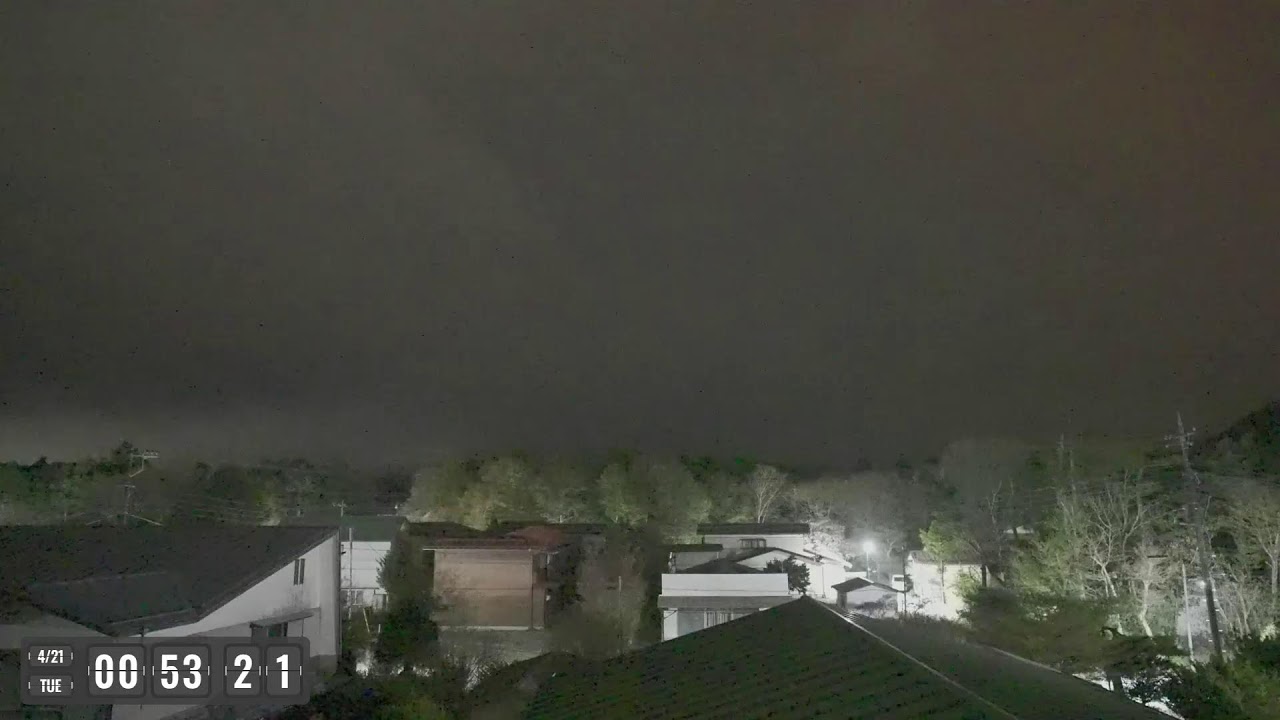
The Lyrid meteor shower is currently active and peaks tonight, during predawn hours on April 22 — but if cloudy skies, light pollution, or a busy schedule are getting in your way of the show, you don't have to miss out.
A large number of high-quality night sky livestreams from around the world let you hunt for the Lyrids from the comfort of your home. Many livestreams even include a live chat where keen observers often drop timestamps to indicate when meteors streak across the sky, making it easier to catch the action. If you'd prefer to head outside, check out our guide on how and where to see the Lyrids in person.
Otherwise, here are some of the best livestreams to tune into right now.
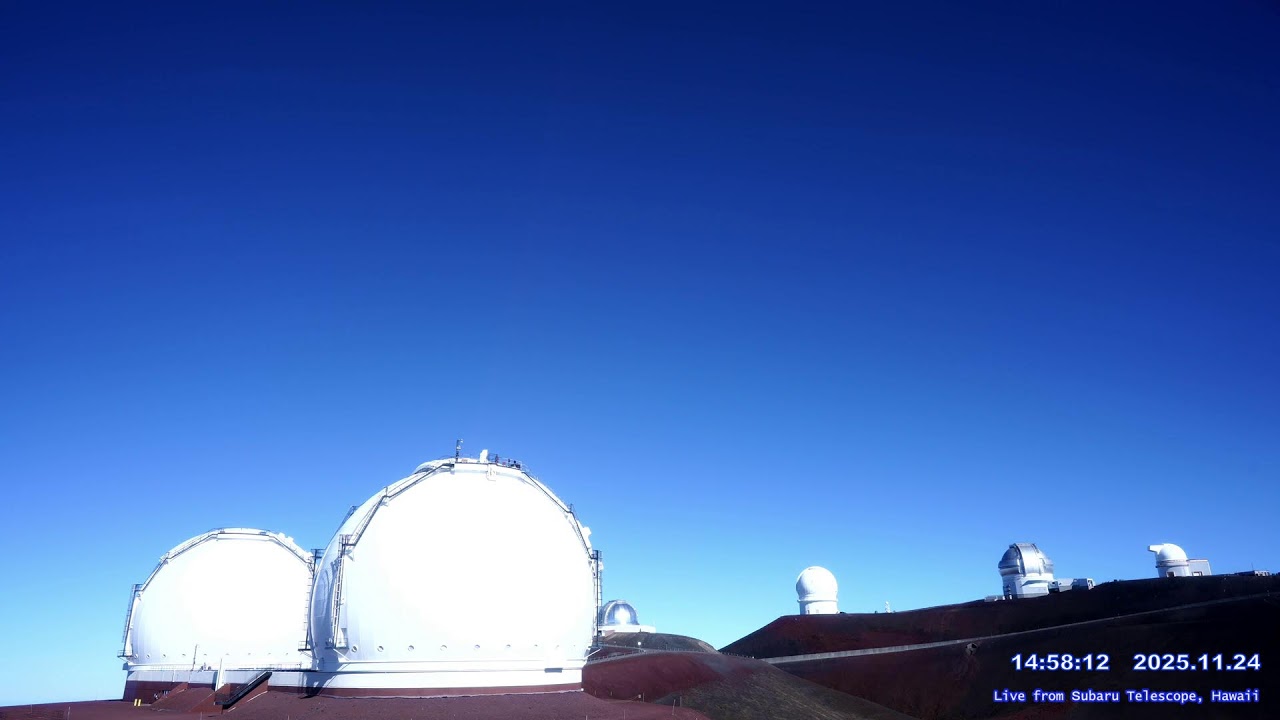
Mauna kea, Hawaii
One of the highest-quality sky cams comes from Mauna Kea, home to world-class observatories like the Subaru Telescope. Thanks to its high altitude and exceptionally dark skies, this location offers stunning views of the Milky Way and countless stars.
Minnesota, U.S
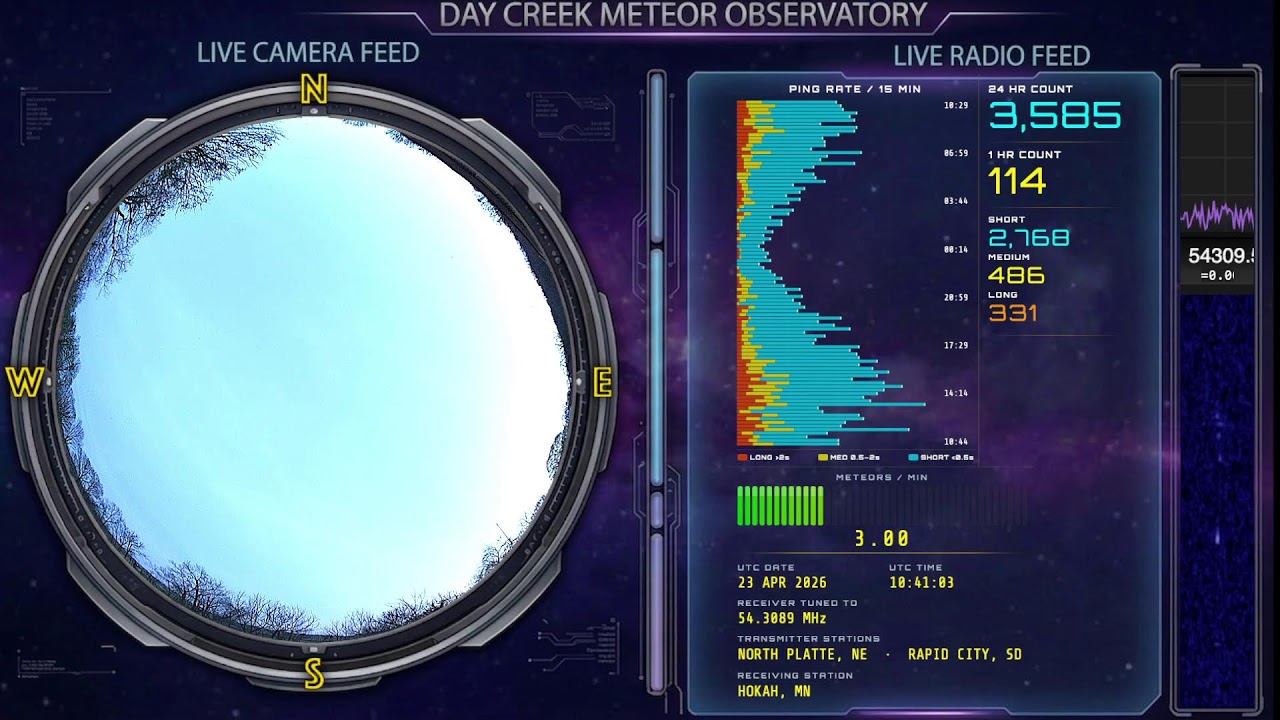
This unique livestream lets you both see and hear the Lyrid meteor shower in action. A fisheye cam shows visible meteors, while a live radio feed detects faint "pings" from tiny particles burning up in Earth's atmosphere.
A real-time stats panel tracks meteor activity, revealing far more meteors than the camera alone can capture.
Maine, U.S
The atmospheric livestream from Sebec Lake in Maine pairs starry skies with relaxing music, perfect if you want something calming on in the background. During periods of heightened solar activity, there's even a chance of spotting auroras alongside meteors, adding an extra layer of magic to the already beautiful view!

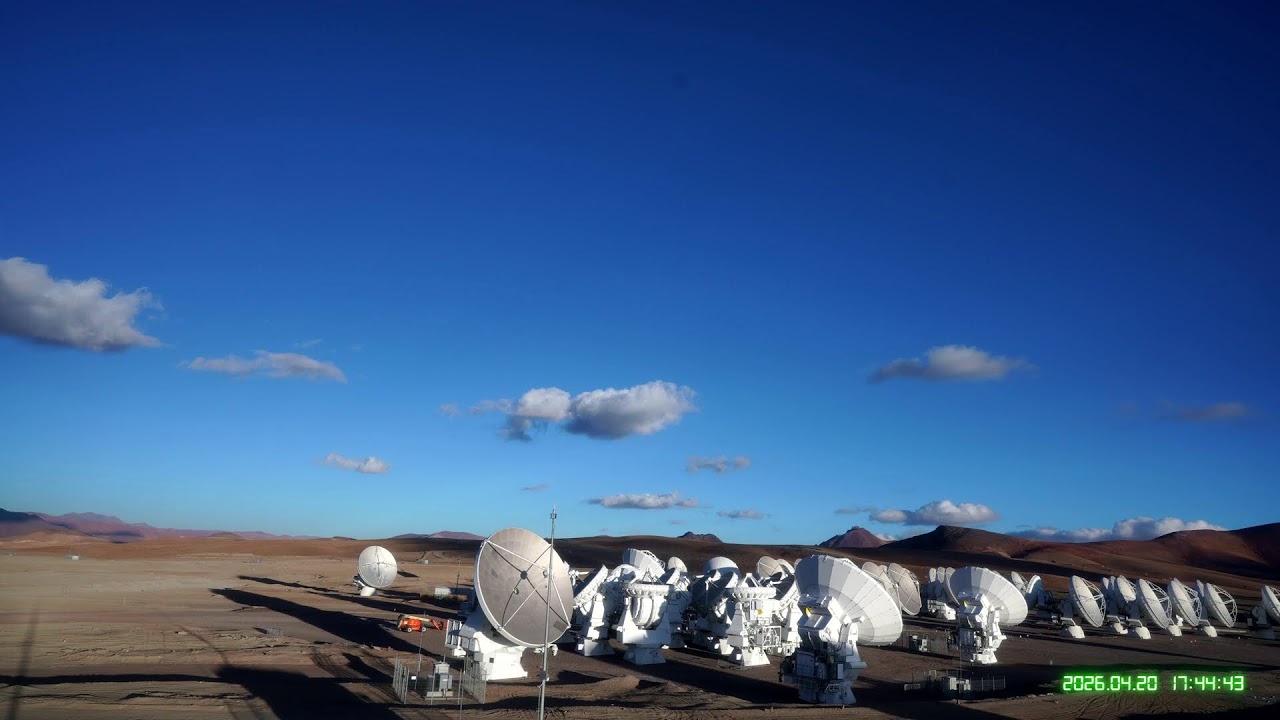
Atacama desert, Chile
The dark skies above the Atacama Large Millimeter/Submillimeter Array (ALMA) in the Atacama Desert are among the clearest on Earth. This livestream is well worth a watch, with active chat users often sharing timestamps of meteor sightings and occasionally rarer phenomena like atmospheric sprites!
Embleton, U.K.
This sky cam from Embleton offers a wide field of view ideal for spotting meteors streaking across large sections of sky. When conditions are clear, it's a great option for spotting the Lyrids over U.K. skies.
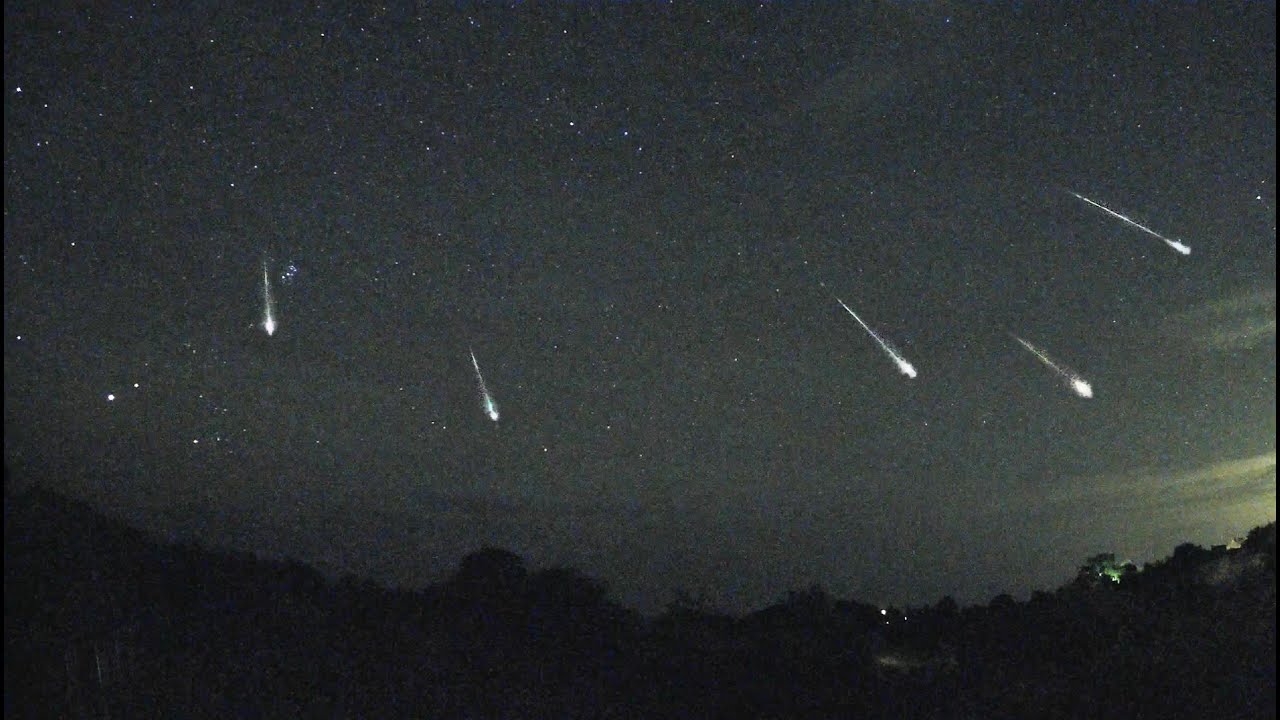
Mount Fuji, Japan
Few backdrops rival Mount Fuji. This livestream pairs meteor hunting with one of the most iconic landscapes on Earth. If skies are clear, you might just catch a Lyrid meteor streaking above the mountain's silhouette.