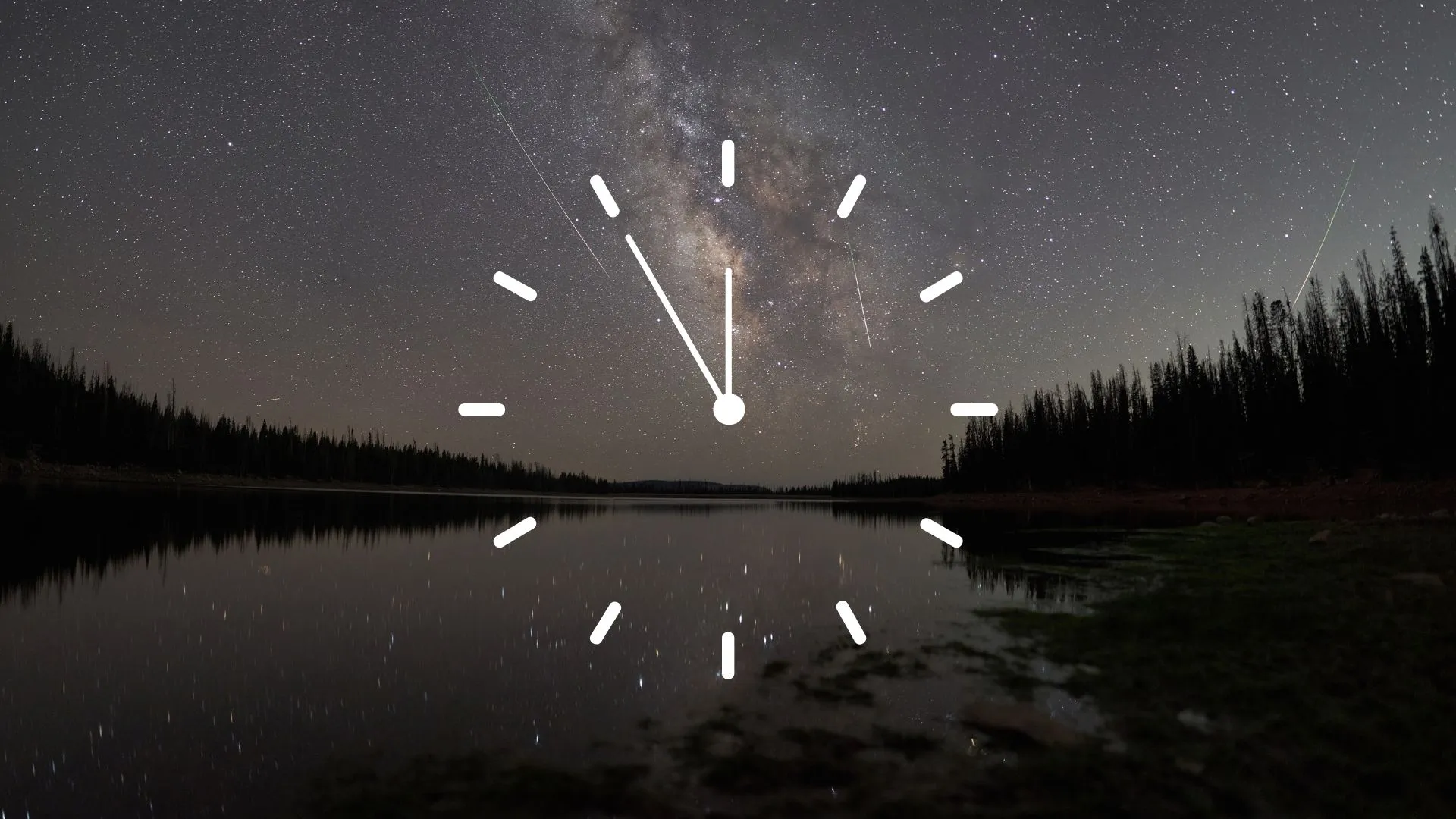
The peak of the Eta Aquarid meteor shower is almost here! Read on to discover the best time to spot the fast-moving shooting stars as Earth barrels through the debris trail shed by Halley's Comet.
When are the Eta Aquarids most active?

The Canon EOS R7 is the best camera for beginners hoping to capture shooting stars. Read our full Canon EOS R7 review.
In 2026, the Eta Aquarids are active from April 19 to May 28 and come to a broad peak overnight on May 5-6. Your best chance to spot shooting stars will be during the predawn hours of May 6, when the shower's radiant — which points into the stream of the oncoming cometary debris — reaches its highest altitude for viewers in the northern hemisphere.
The shower's peak will be strongest for those watching from the southern hemisphere tropics, where up to 50 meteors may be seen streaking across the night sky each hour under ideal conditions, according to the American Meteor Society.
Viewing conditions are less favorable in the northern hemisphere, where it may be possible to spot 10-30 meteors, though, in practice, this number could be even lower. That's because the waning gibbous moon will appear in the sky at the same time, most likely outshining many of the fainter shooting stars.
A troublesome moon
The 84%-lit lunar disk rises above the southeastern horizon shortly after midnight on the night of May 5-6, flooding the sky with moonlight that will hide dimmer meteors from view, resulting in a potential hourly rate of under 10 sightings per hour for those in the northern hemisphere.
Where to look for Eta Aquarid meteors
First, locate the shower radiant in the constellation Aquarius, which can be found rising above the eastern horizon to the left of the waning moon roughly three hours after midnight for stargazers in the U.S.
We'd advise using a smartphone astronomy app like Stellarium or SkySafari 7 Pro to help you find the radiant in the glare of the nearby moon.
Next find a patch of sky 40 degrees away from the radiant — roughly the equivalent to the width of four clenched fists held at arm's length against the night sky. Eta Aquarid meteors are known for leaving persistent glowing trains in their wakes, and it's here they will be at their most impressive.
Shooting stars make for a magnificent sight to the naked eye and are just as incredible through the lens of a camera! Why not read our guide to photographing shooting stars ahead of the Eta Aquarid peak, alongside our roundups of the best cameras and lenses for astrophotography.
Editor's Note: If you capture a photo of an Eta Aquarid meteor and want to share it with Space.com's readers, then please send your image(s), along with your name, comments and location to spacephotos@space.com.