It's meteor season once again, skywatchers! The Eta Aquarid meteor shower peaks in the early hours of May 6, and you can follow the show live from wherever you are thanks to these skywatching livestreams.
While the Eta Aquarids are best seen from the Southern Hemisphere, these live feeds give you a front-row seat no matter your location.
If you're planning to step outside and watch in person, take a look at our guide on how and where to see the Eta Aquarid meteor shower.
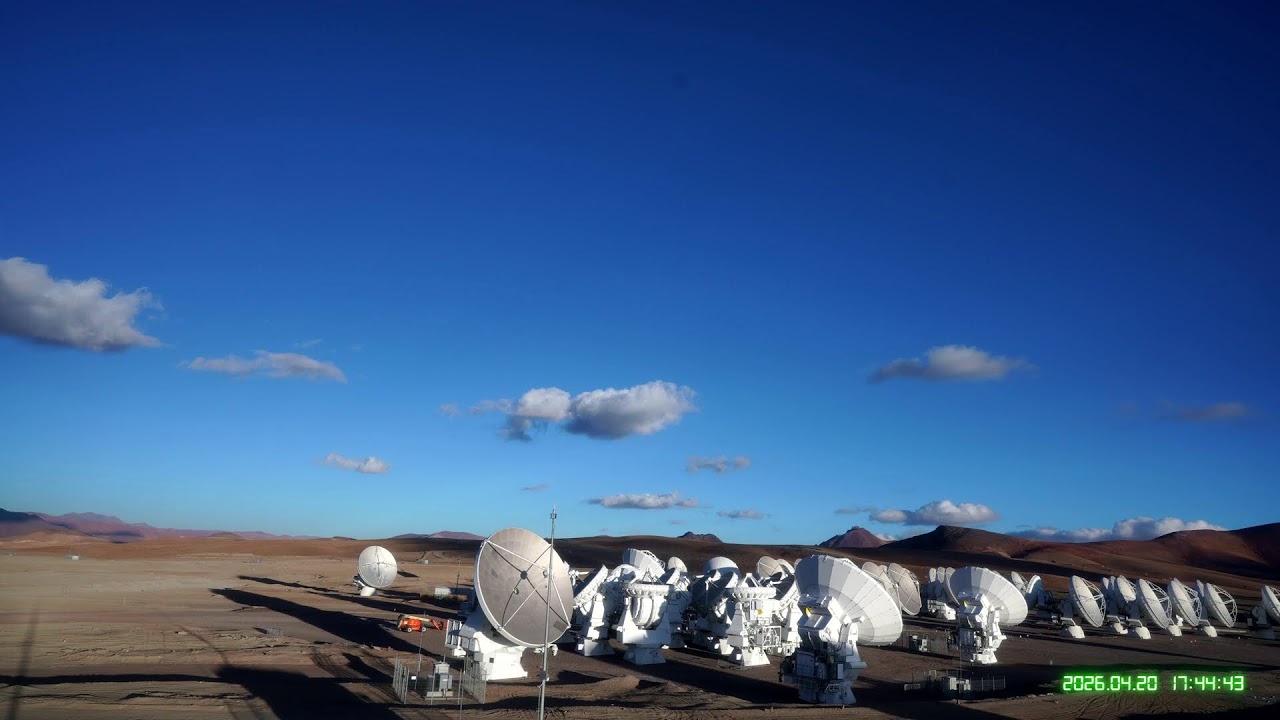
Atacama Desert, Chile
Set beneath some of the darkest skies on Earth, this stream from the Atacama Large Millimeter/Submillimeter Array (ALMA) offers ideal viewing conditions.
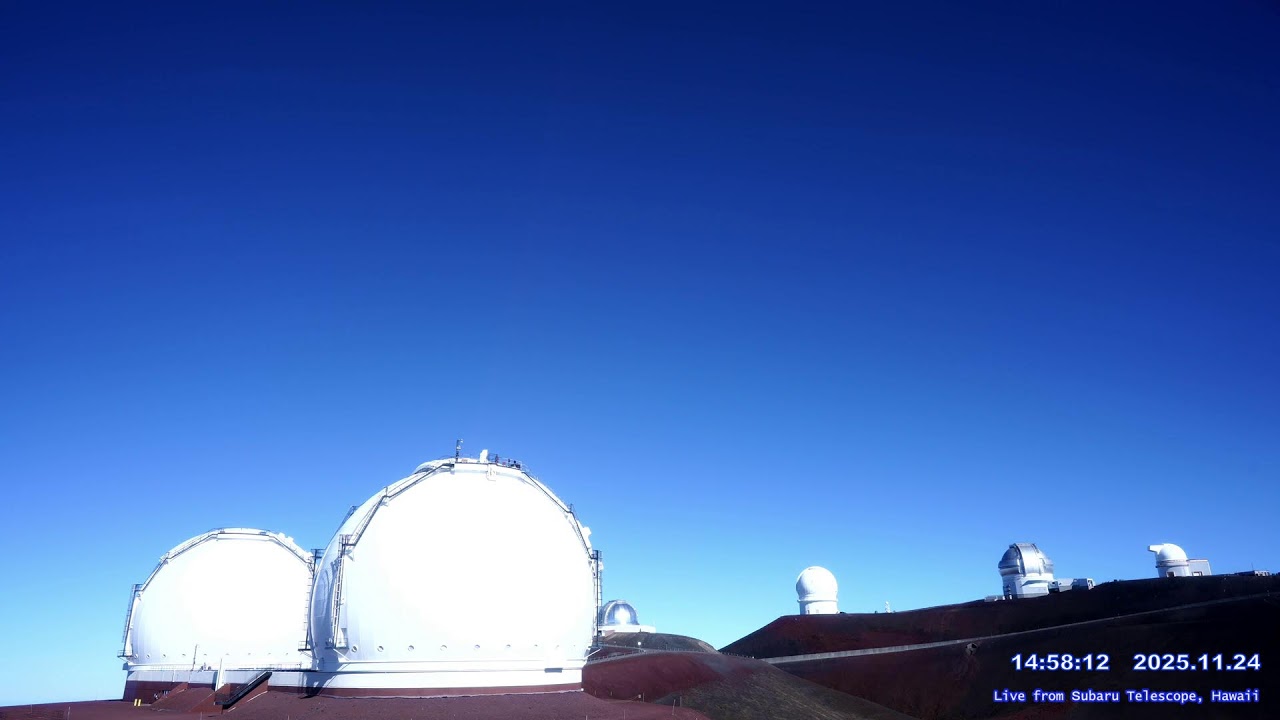
Mauna Kea, Hawaii
Streaming from high above the clouds, this feed comes from Mauna Kea, one of the world's premier astronomy sites. With minimal light pollution and crystal clear air, it's ideal for meteor watching.
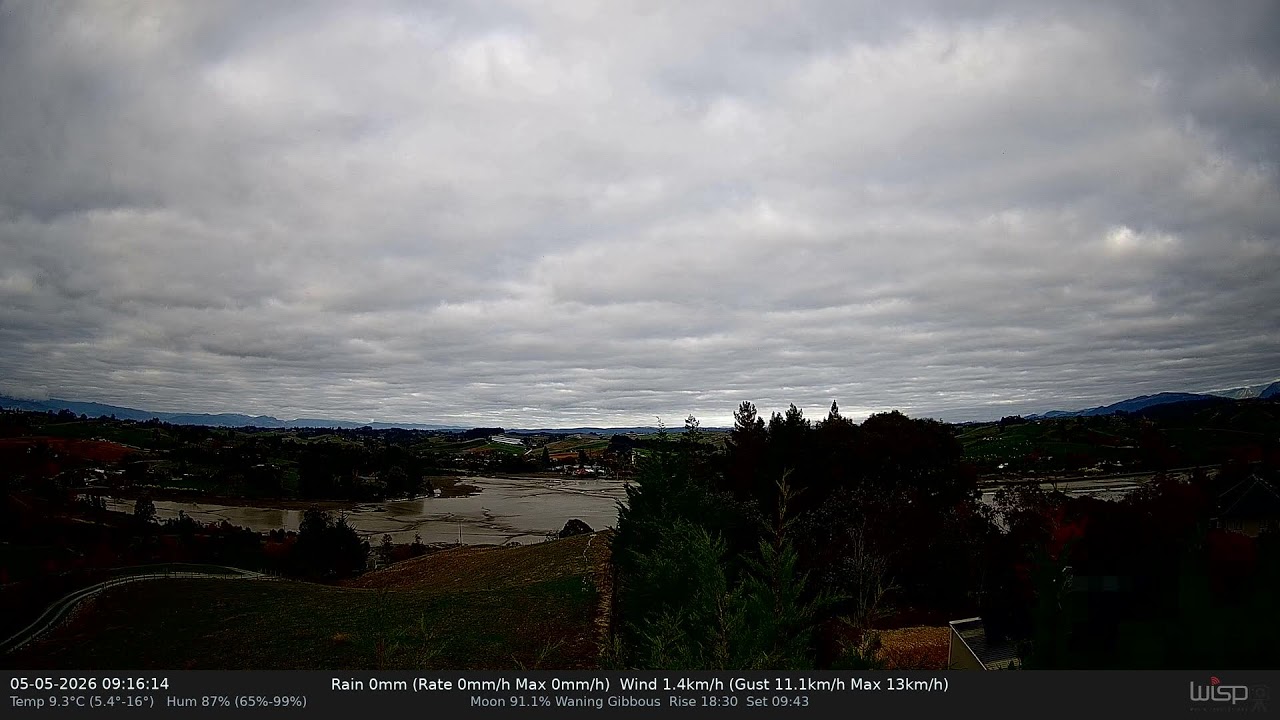
New Zealand
This livestream offers a view from the top of New Zealand's South Island, a prime location for catching the Eta Aquarids at their best. With dark skies and a southern hemisphere vantage point, the region is an ideal place to hunt for meteors during the peak.
Embleton, U.K.
This U.K.-based sky cam captures a broad stretch of sky, increasing your chances of spotting quick meteor streaks.
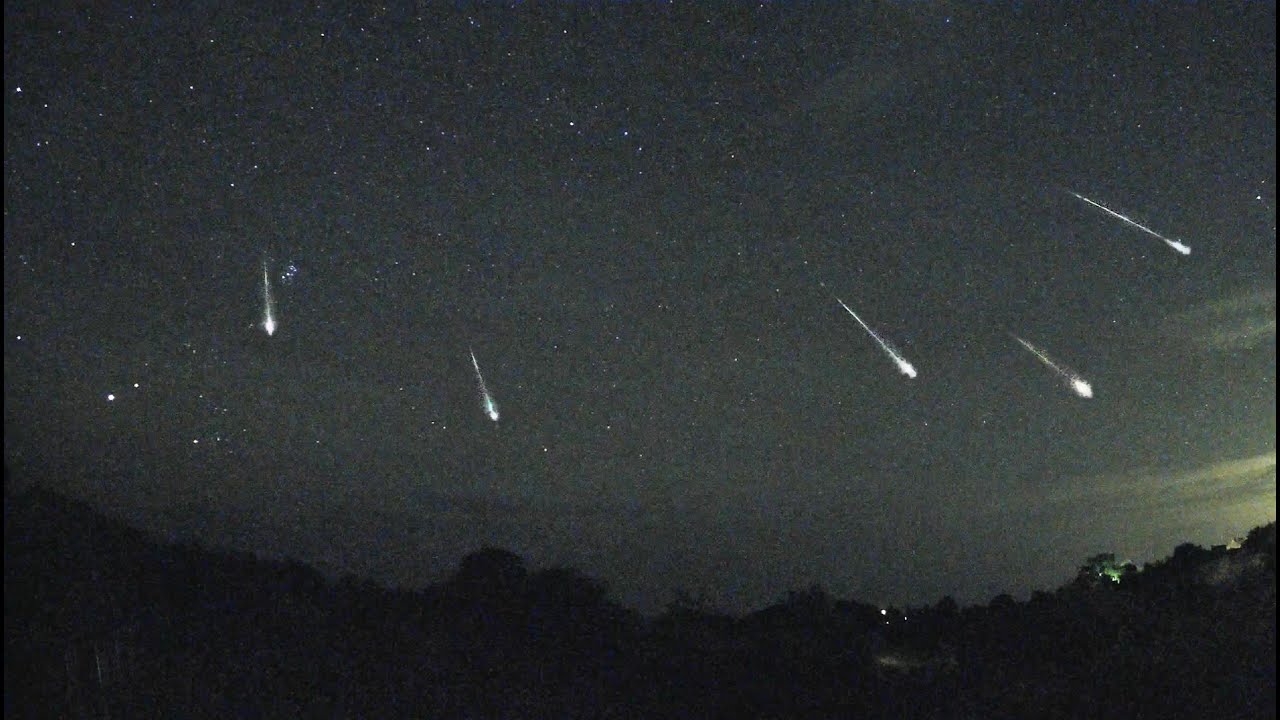
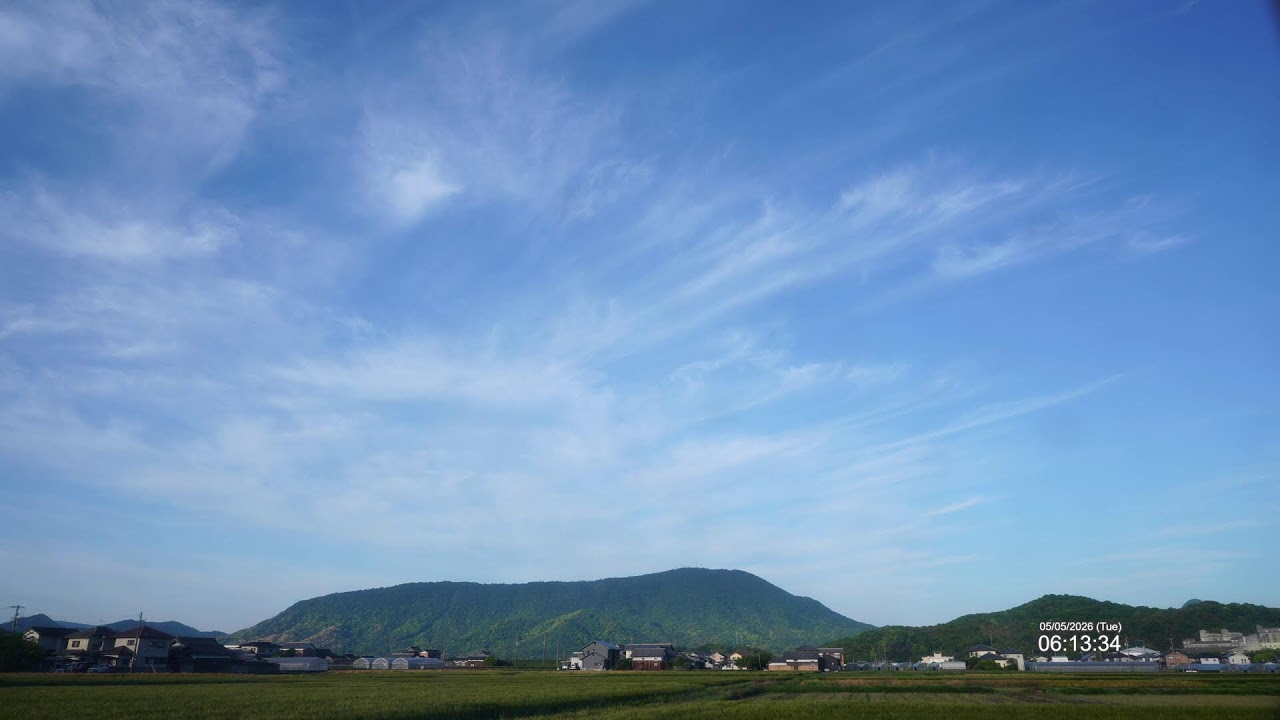
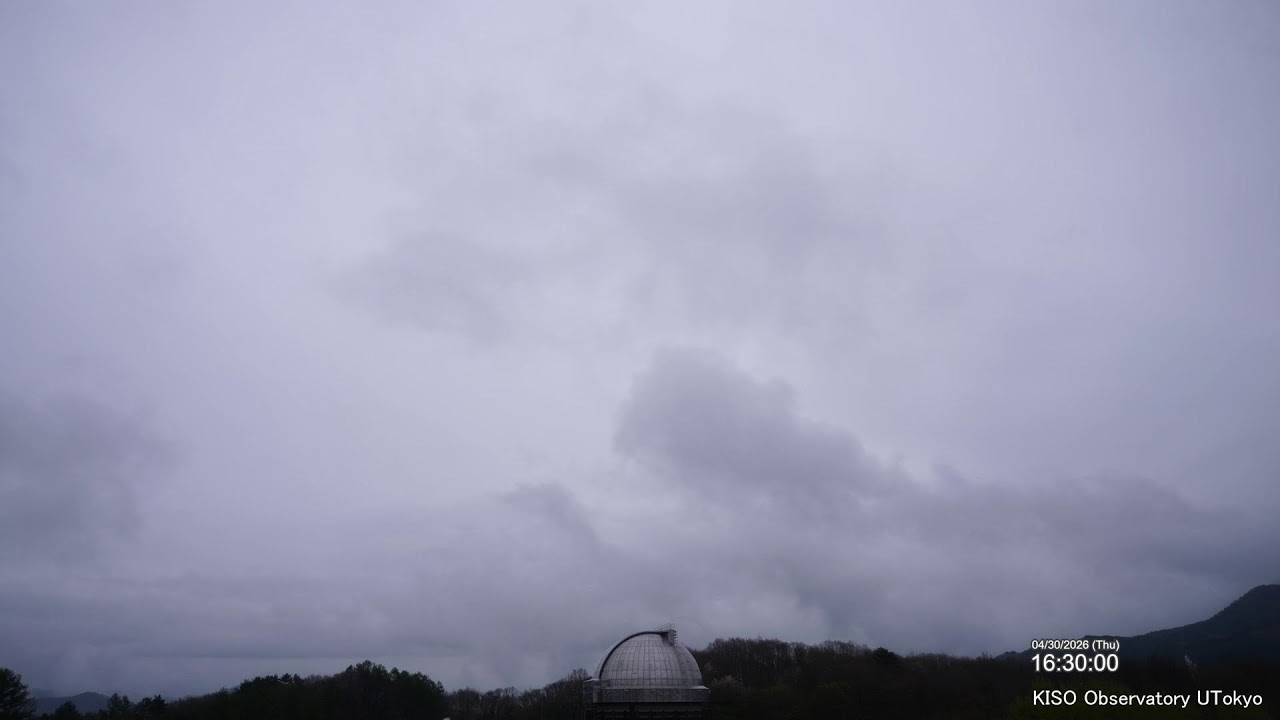
Japan
Tune in to the skies over Japan, where multiple live cams track throughout the night, giving you a great chance to catch sight of a meteor or two.
Editor's Note: If you snap a photo of the Eta Aquarid meteor shower and would like to share it with Space.com's readers, send your photo(s), comments, and your name and location to spacephotos@space.com.