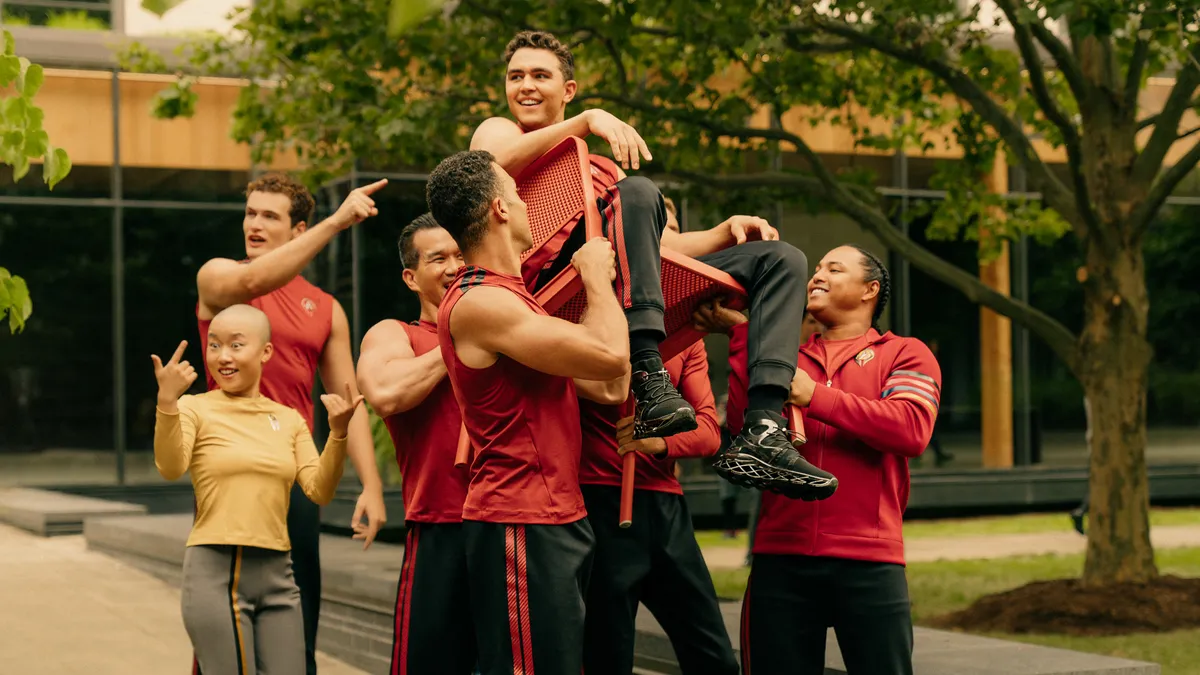
Class has been dismissed rather earlier than planned, following the premature cancellation of "Starfleet Academy". A second season has already wrapped shooting — and will presumably beam onto Paramount+ early next year — but "Star Trek"'s paymasters clearly decided it wasn't worth persisting any longer with the final frontier's newest show.
The teen-oriented spin-off becomes the shortest-lived live-action series in the franchise's 60-year history, and — given the extensive and largely unjustified criticism the show's faced online — many will say its demise is no surprise. But whatever your feelings on "Academy", its unfortunate fate suggests that all is not well at Starfleet Headquarters.
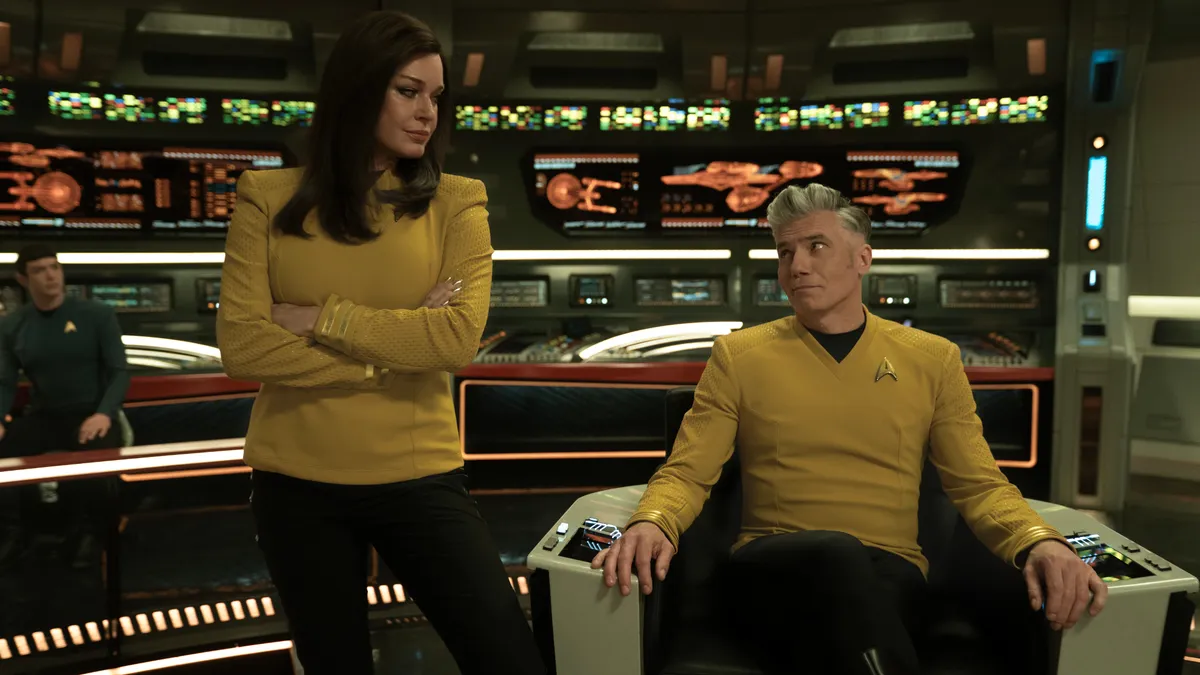
The only other 'active' "Trek" on the Paramount+ roster is "Strange New Worlds", whose fourth and fifth seasons are already in the can. But with the fifth already confirmed to be the last outing for Captain Christopher Pike and co, we could easily find ourselves with no new "Treks" on the horizon by the end of 2027.
It's a scenario that would have seemed implausible just three years ago when "Discovery", "Picard", "Lower Decks", "Prodigy" and "Strange New Worlds" were all on active duty. Indeed, Gene Roddenbery's space saga was in better health than it had been since the glory days of "The Next Generation", "Deep Space Nine" and "Voyager".
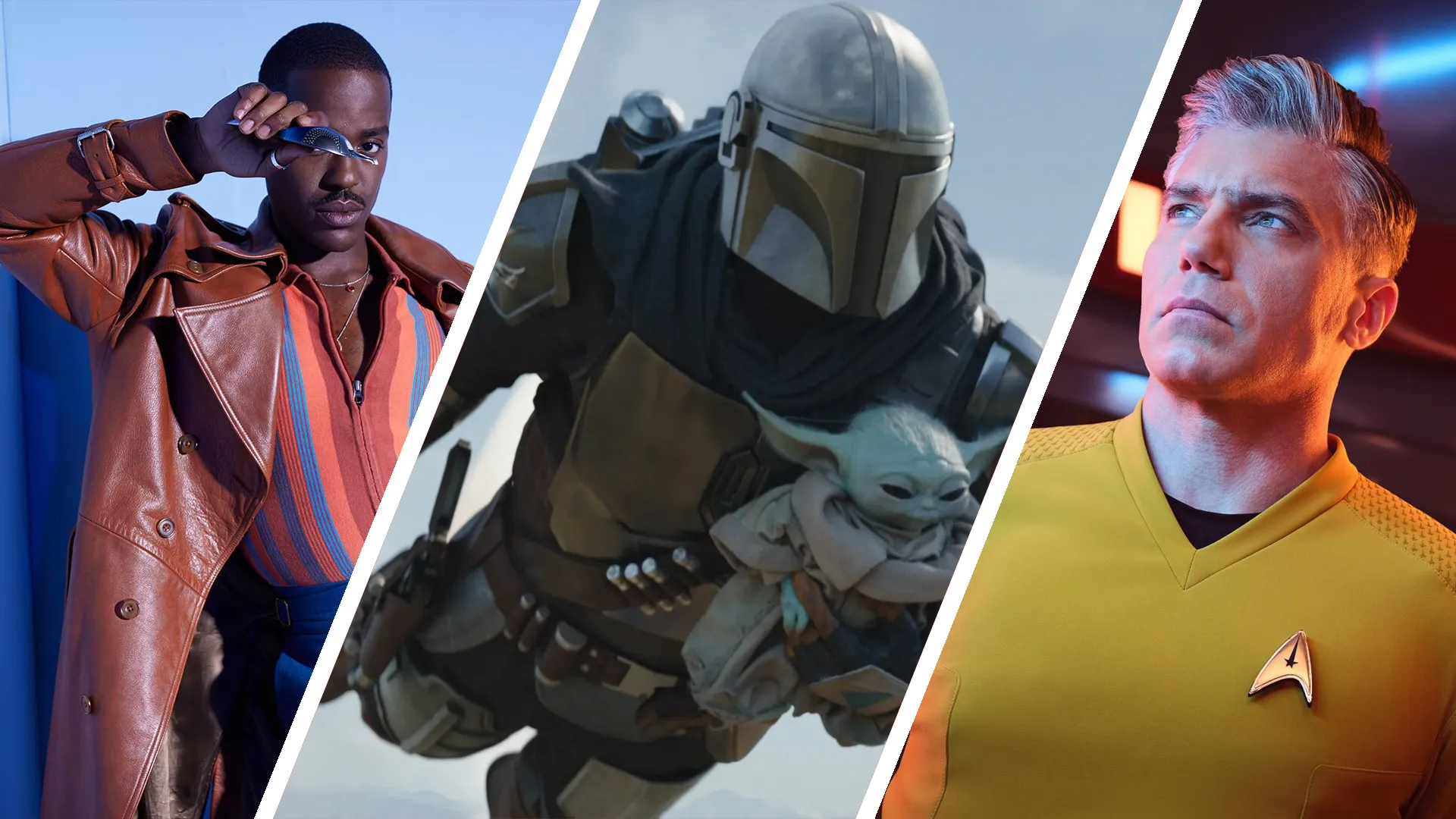
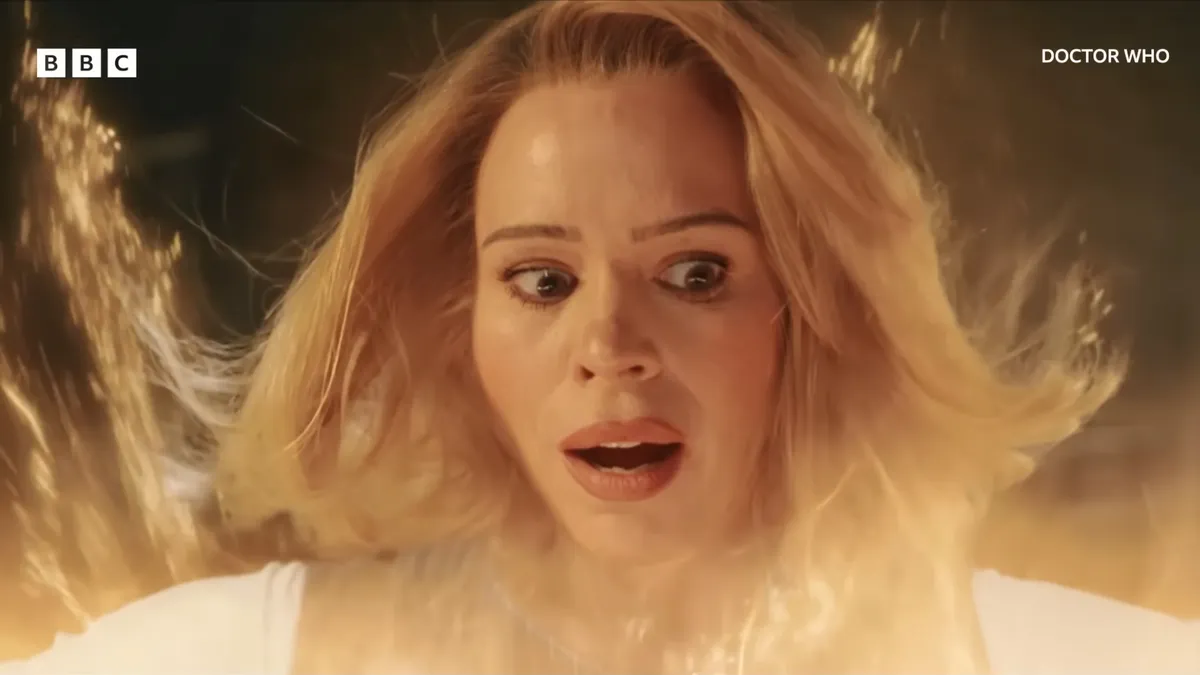
But this potential slowdown isn't unique to "Star Trek". With "The Mandalorian and Grogu" about to relocate (maybe temporarily?) to movie theaters, "Ahsoka" season 2 is currently the only small-screen "Star Wars" adventure waiting on the launchpad. And in the UK, "Doctor Who" is currently trapped in a kind of Time Lord limbo. We know the BBC is bringing it back for a Christmas special — maybe with Billie Piper in the lead role — but beyond that, its future is a mystery now that Disney+ has decided to end its involvement in Britain's most famous sci-fi export.
Could it be that the biggest streamers are getting cold feet about some of their biggest legacy franchises?
It's worth pointing out that the last decade has been the historical outlier, a period in which armchair sci-fi fans have never had it so good.
From the cancellation of "Enterprise" in 2005 to "Discovery"'s debut 12 years later, there was no "Star Trek" on TV. "Star Wars" had never had a live action TV show before Din Djarin met Baby Yoda in 2019. Since then, we've had more separate "Trek" shows in nine years (albeit with shorter seasons) than the franchise managed during its entire Rick Berman-marshalled 1987-2005 heyday. Disney+, meanwhile, has become our primary source of action from a galaxy far, far away, with "Star Wars" movies on hiatus since "The Rise of Skywalker".
Both franchises have been regarded as consistent earners for their respective owners, so much so that Disney famously decided to pay $4 billion for the keys to George Lucas's Empire. They've also thrown a lot at money at making sure these TV shows looked like movies, investing in production values that would have been unimaginable in the pre-streaming age. But the impending pauses suggest they might not be as bankable as they used to be. So what's gone wrong?
For starters, there is a limit to how much "content" even the most passionate fans can consume, especially in a market that's more saturated than ever. "Doctor Who" has been on air more or less continuously since Russell T Davies brought it back in 2005 — nearly as long as the show's original 26-year run — while "Star Wars" has evolved from a once-every-few-years movie factory to an always-on TV machine. Even the mighty Marvel Studios, which seemed unstoppable in the wake of the mighty "Avengers: Endgame", had to concede there wasn't an appetite for everything it was making. It subsequently reduced its output.
Also, Hollywood tends to remember its perceived failures more than its successes, and the big legacy franchises have all had a misstep somewhere along the way. In the "Star Wars" camp, "The Acolyte" and "Skeleton Crew" both failed to get second seasons, feeling the grim reaper's scythe just as "Starfleet Academy" has a year or so later. When you're spending tens of millions of dollars on a season of TV, failure is no longer an option. And in the current TV climate, there's no time to find your feet, the way that bona fide classics such as "The Office", "Parks and Recreation" and "Fringe" all did in their second seasons.
One thing those aforementioned cancelled shows have in common is the fact they tried to step away from established norms, whether it's visiting a whole new time period ("The Acolyte"), or targeting a younger audience ("Skeleton Crew", "Starfleet Academy"). But it turns out that embracing the new can be surprisingly controversial when you're dealing with a long-standing franchise. Remake "A New Hope", as JJ Abrams essentially did with "The Force Awakens", and everybody's happy; try to shake things up, as Rian Johnson did with "The Last Jedi", and risk splitting the fanbase in two as if they're Darth Maul on the wrong end of a lightsaber.
"You’ve got a very, very small percentage of the fan base that has enormous expectations and basically they want to continue to see pretty much the same thing," former Lucasfilm president Kathleen Kennedy said in her "exit interview" with Deadline. "And if you’re not going to do that, then you know going in that you’re going to disappoint them. I’m not sure there’s anything you can do about that, because you can’t please everybody."
"Star Trek" overseer Alex Kurtzman (who's currently in discussions with Paramount about the franchise's TV future) admitted similar ahead of "Starfleet Academy"'s debut, telling SFX magazine: "I don't believe that it's really possible to create a one-size-fits-all 'Star Trek' show. The goal, over time, is you have to plan different shows for different people, with the assumption they're all a gateway drug in some way. We've discovered there's a whole audience of younger kids who've found 'Star Trek' through 'Lower Decks', and that's led them to the other shows and movies."
This is undeniably a noble ideal, and classic franchises need to evolve if they're going to stay relevant — the same way that Davies made "Doctor Who" feel so vibrant and fresh when the Ninth Doctor first told Rose Tyler to "Run!".
But with the eyeballs of Gen Z and Gen Alpha also trapped in the tractor beams of "Stranger Things", "Wednesday" and, er, "Friends", the likes of "Star Wars", "Star Trek" and "Doctor Who" maybe can't afford to neglect the older fans who already have the franchises in their blood — even if some are a little too resistant to change.
That would be a shame, because great TV and movies should be more than nostalgia exercises — "Andor" is up there with the best "Star Wars" ever made because it pushed the envelope of what "Star Wars" could be. The crucial difference with "Skeleton Crew" and "Starfleet Academy", perhaps, is that it did so in an adult-friendly way, taking old-school fans along for the ride.
Then again, a bit of a break could be what each of these franchises needs. Absence usually makes the heart grow fonder, and stepping off the conveyor belt could give each of these sci-fi institutions a chance to rediscover what it wants to be.
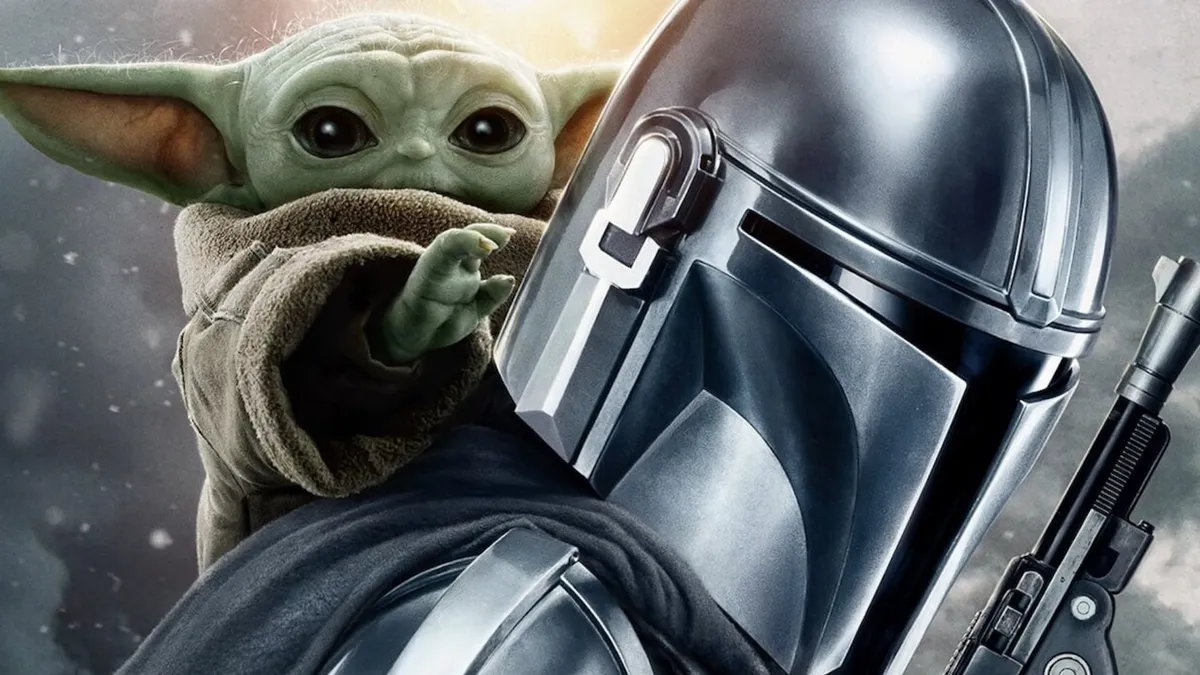
Maybe "The Mandalorian and Grogu" and next year's "Starfighter" will remind us all how much we love seeing "Star Wars" on the big screen. Perhaps a new Doctor will recapture that David Tennant era mojo, or a new Starfleet crew will win over hearts and minds like Jean-Luc Picard and the Enterprise-D gang did with "The Next Generation".
It's worth remembering, too, that the best franchises always find a way back, however long they're away. And besides, "Star Trek" has a 60th birthday coming up — and Paramount would be utterly mad to let the occasion pass without marking it in pretty spectacular fashion.