Science fiction is not monolithic. There are, in fact, two major sub-genres that divide sci-fi — hard sci-fi and speculative (or soft) sci-fi — and most of the time, the delineation between the two is pretty clear.
Hard sci-fi is all about scientific accuracy and logic; it might contain technology and science we don't yet have, but it's all stuff that can exist in our current understanding. Speculative sci-fi, meanwhile, plays a little hard and fast with the known rules of the universe to tell exciting and fantastical stories. These are two staunch pillars that hardly ever meet.
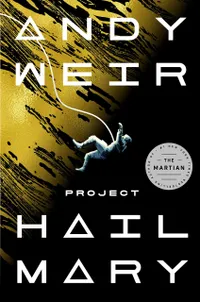
"Project Hail Mary" (PHM) exists in a fascinating middle ground between the two camps. The novel by Andy Weir is a top-selling, much lauded entry into the sci-fi genre, but it is also something different. It achieves this distinction by walking an incredibly thin line between hard and speculative science fiction, delivering a story that feels both real and fantastical in ways few others in the genre do.
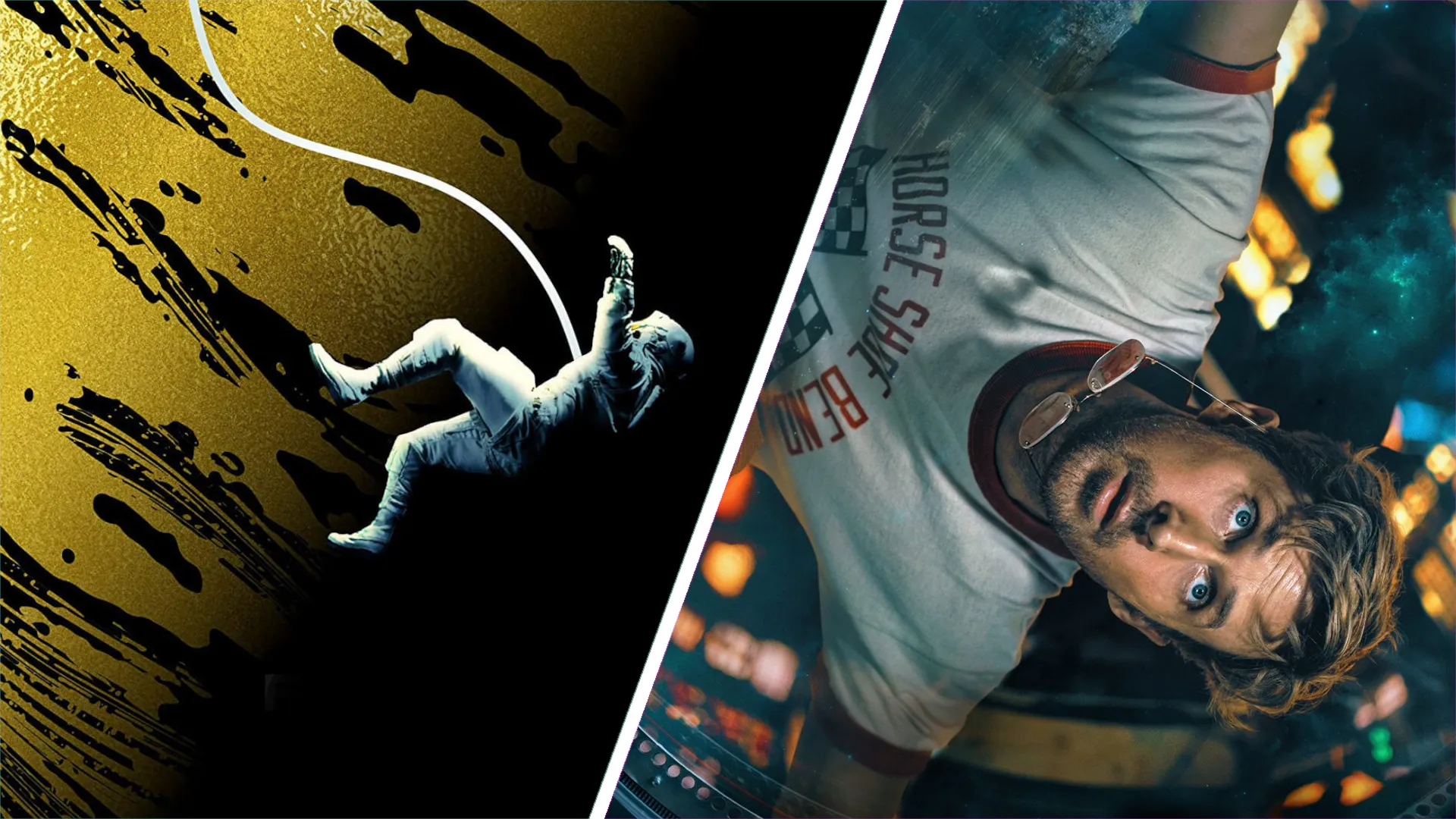
How it does this is really impressive, but what’s really striking is that the film does not walk this line at all, falling much closer to speculative sci-fi. How does the novel balance on a sub-genre knife-edge, and why doesn’t the film do this? Let’s take a look.
Space Wizards vs. Physics

When most people think of science fiction, they think of speculative sci-fi. This is science fiction that features things that aren’t entirely based in science as we know it. The subgenre’s bread and butter lies in made-up science that one day could be, but definitely is not now.
Terms like reversing polarities, unobtanium, spice, dilithium crystals, The Force, naquadah, and whatever else excuse writers create to help humanity explore or destroy the cosmos. Often set far in the future or in entirely different universes, speculative sci-fi creates what is basically a new world.
Aliens are often a key aspect of speculative fiction alongside things like faster-than-light travel and anything involving lasers that go pew-pew-pew. There are, of course, varying levels of speculative fiction, with the likes of "Star Wars" bordering on the fantastical, and something like "Star Trek" playing things less mystical… at least on the surface.
Hard science fiction, on the other hand, is truly grounded in science. Built around our current understanding of the universe and the scientific abilities, materials, and understanding we have right now, this science fiction wonders what the future is like without all the made-up stuff.
Typically set in a relatively near future and restricted by such pesky things as the theory of relativity, gravity, the incalculable vastness of space, and the restraints of our current understanding of science, hard sci-fi is far more limited in nearly every aspect.
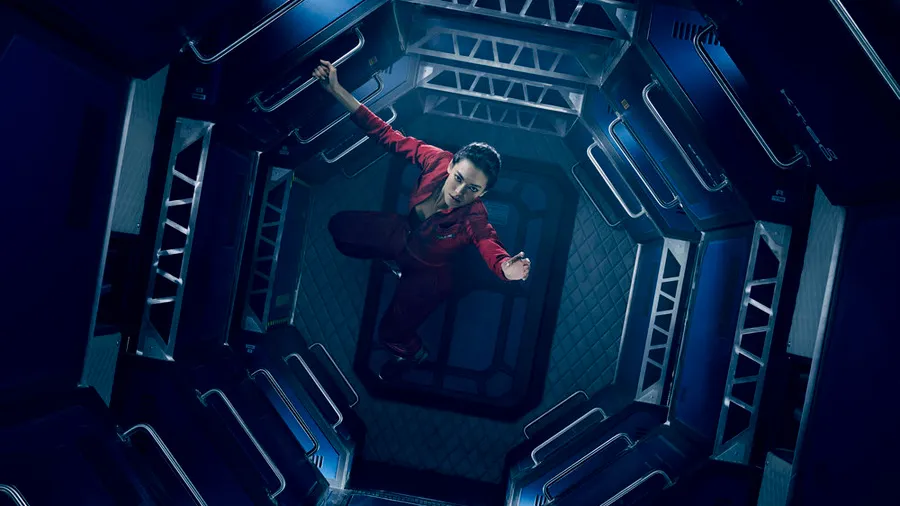
For hard sci-fi, aliens are either not present or making first contact, the space exploration is non-existent or restricted to a limited corner of our solar system, and there is a definitive lack of pew-pew-pews. Think of "The Expanse", "The Three-Body Problem", "Rendezvous with Rama", "Moon", "Arrival", or even Weir’s "The Martian". These are stories grounded in “reality” with the science fiction coming in from current scientific understanding, not the imagination of our writers.
Everybody Poops

"Project Hail Mary" clearly understands both these genres. Weir is an author who made his name in hard science fiction, with "The Martian" heralded for the very fact that it was trying to be scientifically accurate story of how someone might survive on Mars.
However, with PHM, he’s pulled from speculative sci-fi in a way this incredible intriguing. Throughout the novel, he weaves detailed science fact with speculative science fiction, aided by a brilliant structure that bounces us between the speculative action of Dr. Ryland Grace trying to research astrophage at a distant star with his alien pal Rocky, with the literally grounded story of the world’s attempt to launch Project Hail Mary and save the solar system.
This structure not only allows Weir to deliver the novel’s true twist fantastically, but also means that for the beginning of the book, when Rocky isn’t present, the book reads like hard science fiction through and through. Then, once contact is made, the novel begins merging that hard sci-fi into the world of speculative fiction as Rocky and Grace become friends and Rocky’s speculative technology changes how everything works.

Still, even as Weir drives the story further into speculative sci-fi, the flashbacks and his staunch unpacking of Rocky not just as a character but as a scientific specimen keep that hard sci-fi feeling throughout. Even astrophage, a sci-fi muggufin of epic proportions, feels foundationally scientific. Rocky’s entire existence is explained on the biological level to exacting detail, even if it is all made up.
There is no better illustration of this balance between make-believe and scientific fact than PHM’s focus on Rocky’s bowel movements. Well, not just his bowel movements, but his entire digestive process. Weir not only takes pains to have Grace be interested in how Rocky’s biology works, but weaves it intrinsically into the plot.
Grace explicitly asks to watch Rocky eat, which eventually leads to him seeing Rocky do his version of taking a dump. It’s all explained with science, however, meaning this fantastical alien species also feels very real. Instead of glazing over the hard science of how an alien body might function in order to tell a more imaginative story, Weir blends that hard science into the story itself, allowing for alien life that feels very speculative but functions within our understanding.
This constant reinforcing of science fact behind science fiction plays out throughout the book, not just around the process of digesting and expelling food. What Weir ends up with is an amazing balance that reads like hard sci-fi, but has all the grander aspects and emotional punch of speculative fiction.
The Heart of the Matter
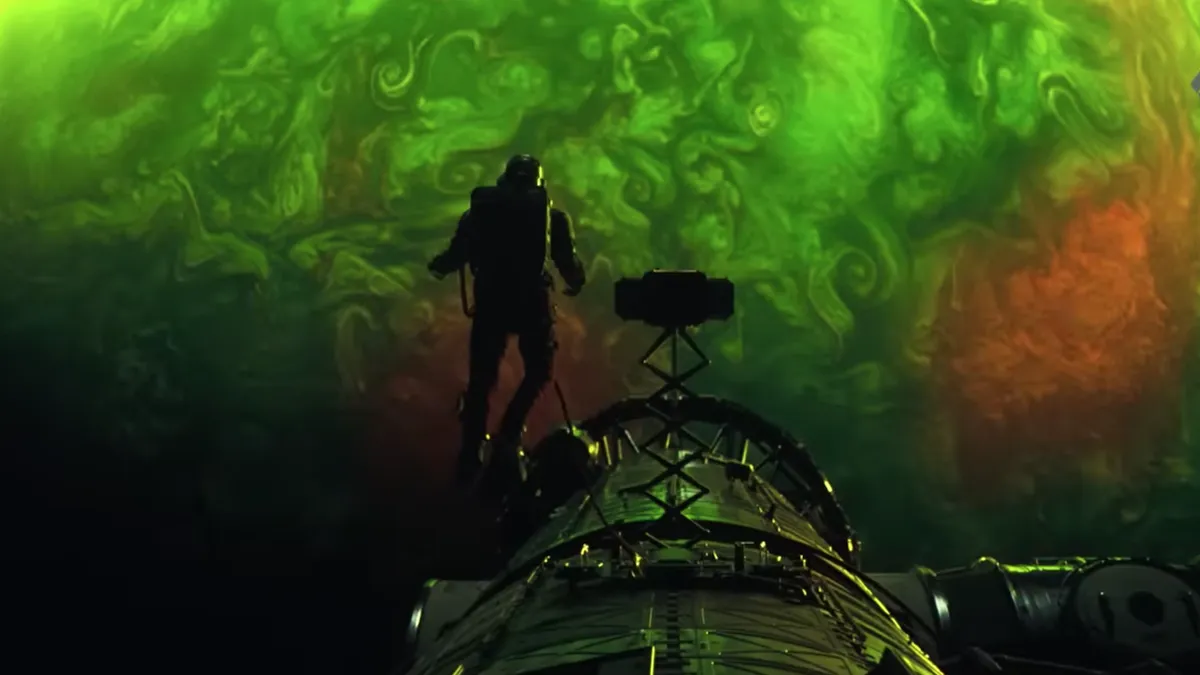
This delicate balance that plays out throughout the novel "Project Hail Mary" is nearly entirely gone from the film based on the book. The movie plays out in a far more speculative sci-fi area, leaning lightly into hard science fiction here and there, but almost entirely devoid of the technical and scientific fodder that the book is full of.
Astrophage becomes far more akin to something like dilithium in the film, and the movie pretty much avoids explaining any biological or physiological aspects to Rocky, turning him solely into a charming alien pal more often found in soft sci-fi.
What’s truly Amaze! Amaze! Amazing! is that directors Phil Lord and Chris Miller, along with screenwriter Drew Goddard, understood that this was the right way to go with the movie. Trying to deliver this film as truly hard science fiction would have missed the point of the book, which — despite its extravagant lengths to be couched in science — is really about bravery, friendship, and sacrifice.

The filmmakers understood this, pulling out the thematic strands of the story and discarding most of the hard sci-fi aspects. The movie, constrained by time and the need to function more as entertainment, didn’t need the harder aspects that the book relished in.
The differing takes on the same science fiction story are a testament to the fact that while hard and soft science fiction may tell stories in different ways, what is at the core of those stories is usually very similar. Science fiction is a reflection of us, telling stories that may be full of strange technology and alien beings, but are all the more human because of it.
Project Hail Mary’s duality in novel form and totally different approach in film shows this true core of sci-fi and lets us better understand why the genre is so incredible.