
Latest articles by Jamie Carter
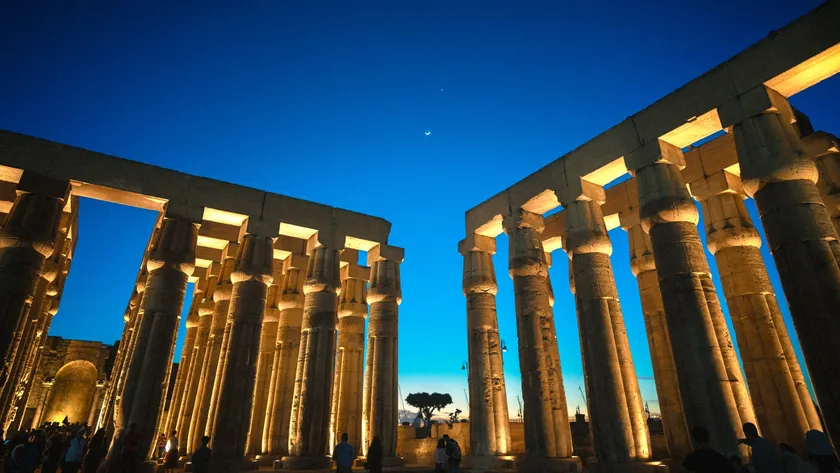
The "eclipse of the century" will plunge some of ancient Egypt's most spectacular sites into darkness on Aug. 2, 2027. These temples, tombs and monuments are inside the path of totality.

From the Costa del Sol to whitewashed mountain villages, here are 10 of the best places in southern Spain to experience the Aug. 2, 2027 total solar eclipse.

The Orionid meteor shower peaks next week, but a bright moon makes much of the night less than ideal. Sometimes the sensible observing decision is knowing when to stay in bed — and when to get up early.

You don't have to wait until dark to see the moon. Here's why it appears in broad daylight — and why this week is a particularly good time to spot it.

The Southern and Northern Taurid meteor showers will produce occasional bright, slow-moving meteors worldwide during October and November, with moon-free peaks in 2026.

Beyond Luxor and southern Spain, the 2027 eclipse path crosses Mediterranean islands, mountain towns, desert oases and historic cities. Here are 10 less obvious places to experience totality on Aug. 2, 2027.

We learn constellations from diagrams that stay conveniently upright. The real sky has other ideas — as I discovered when Orion returned looking distinctly wonky.

2027 isn't an isolated freak eclipse. It's the latest appearance of the extraordinary Saros 136 dynasty that produces some of the longest total solar eclipses of our era.

Spotting meteors is hard when you work for a living. Cue the Draconids, which are best seen right after dark on their peak night this week.

The total solar eclipse on Aug. 2, 2027 will be a huge international tourism event. But where you book — and exactly where you plan to watch from — could make a huge difference.

With a 4K sensor, EQ mode and post-processing opportunities galore, the ZWO Seestar S50 Pro is ZWO's most capable telescope yet, but it’s also ideal for anyone who wants astrophotography without the hassle.
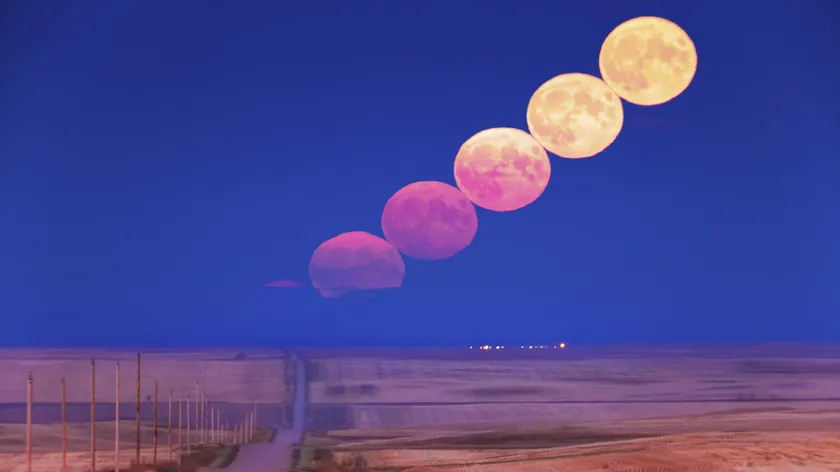
The Harvest Moon is full on Sept. 26, but its real magic happens across several evenings when successive moonrises arrive unusually close together.

A total solar eclipse on Aug 2, 2027, will be visible across southern Europe, North Africa and the Middle East. Find out more about where to see the 'eclipse of the century' in our guide.

Geomagnetic activity really does increase around the equinoxes, but bright moonlight is arriving at exactly the wrong time for anyone hoping to catch a subtle aurora.

Reference Discover the 'eclipse of the century' with this comprehensive total solar eclipse 2027 guide. Find out where to see it, the timings of totality and possible weather conditions for key locations.
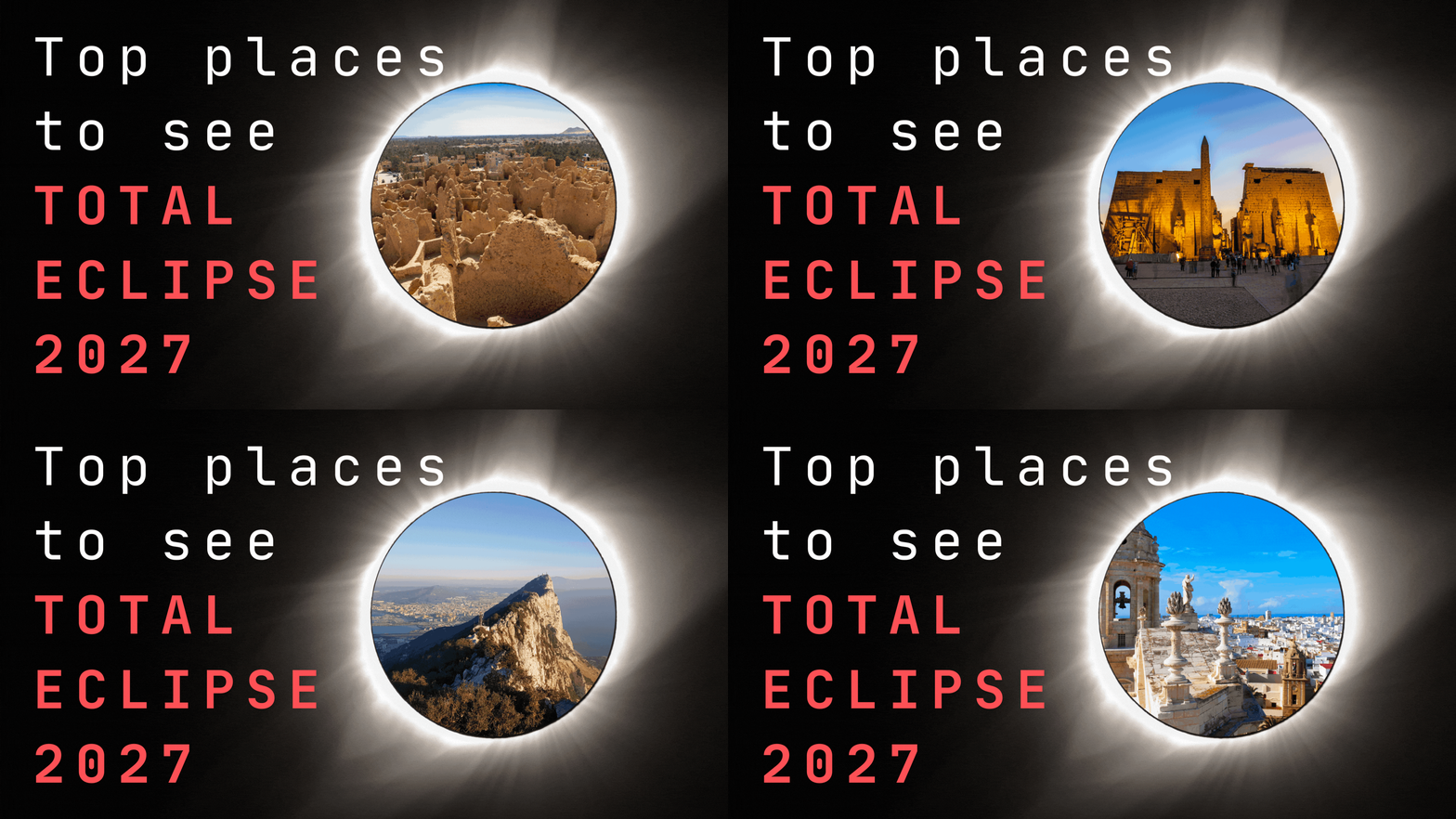
The best scenic places across Southern Europe, North Africa and the Middle East to see the total solar eclipse on Aug. 2, 2027.

September's new moon opens a dark window for seeing zodiacal light, the ghostly cone of interplanetary dust that rises above the eastern horizon before dawn.

The newly discovered Type Ia supernova SN 2026aaiv in NGC 7331 offers amateur astronomers and astrophotographers a rare opportunity to observe and image an exploding star before it fades.

Venus is sinking into the sunset as it catches up with Earth — and a small telescope now reveals something the naked eye never can: another planet going through phases.

What's that bright light in the sky? Here's how to see China's Tiangong space station with the naked eye this week.

Astronomy is often about being close to extraordinary things without fully experiencing them. Here's why to love partials, grazings, faint objects and other almost-events.

A deep partial lunar eclipse on August 27-28, 2026, will be visible in North America and will be the best lunar eclipse anywhere on Earth until New Year's Eve 2028.

We'll soon get a chance to see a giant curved shadow in space move slowly across the moon during a very deep partial lunar eclipse. There are few more awesome or enlightening sights.

