Latest articles by Jamie Carter

Look east before midnight on July 23 and 24 to see a waning gibbous moon close to the ringed planet.

Check out these stargazing targets that you can see with the naked eye this week (July 22 to July 28), from planetary meet-ups to meteor showers and more!

Discover your night sky this week, July 15-21, 2024, using just your naked eyes.

New Yorkers can view 2024's third and fourth "Manhattanhenge" moments at sunset on two nights this weekend.

Check out these 10 top tips for planning your eclipse experience to make sure you get the most out of the total solar eclipse on Aug. 12, 2026.

Here are 16 of the best places to see the total solar eclipse on Aug. 12, 2026. The eclipse will be visible from remote Russian Siberia to eastern Greenland, western Iceland and northern Spain.

Snapped from lunar orbit in 1968 by NASA astronaut Bill Anders, who died this week at age 90, 'Earthrise' is perhaps the most iconic image of our planet ever taken.

A major lunar standstill is about to occur. The phenomenon happens every 18.6 years when the moon rises and sets at its most extreme points on the horizon, while also climbing to its highest and lowest point in the sky.

The appearance this week of the three bright Summer Triangle stars — Vega, Deneb and Altair — marks the beginning of summer in the Northern Hemisphere. Here's how to spot them.

From understanding the weather to seeing the Milky Way, here's how to plan a trip to see the total solar eclipse on Aug. 2, 2027.
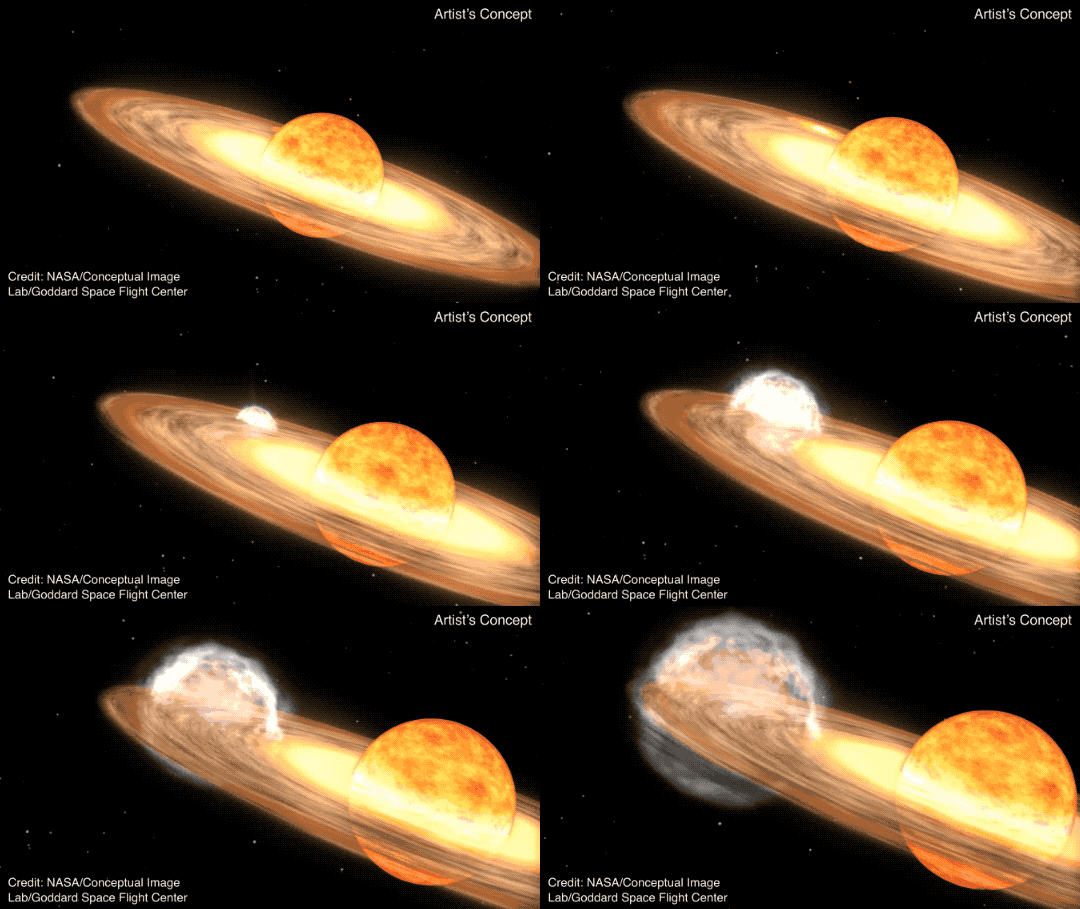
T Coronae Borealis will erupt with a magnificent explosion sometime between now and September, becoming visible to the unaided eye. Here's how to find it when it does.

Review A fun, affordable, portable and intuitively designed smart telescope for imaging galaxies, the sun and the moon.

Reference The 2024 total solar eclipse was visible across Mexico, the U.S and Canada. Our guide tells you when the eclipse occurred and where it was visible.

Review The Celestron SkyMaster Pro 20x80 binoculars offer a massive aperture, interchangeable eyecups and incredible deep-sky views.

Chasing eclipses in South Texas meant dealing with lots of hurdles, yes, but also lots of gratitude.

From 'shadow snakes' and 'double diamonds' to Baily's beads and the corona, here's what you need to prepare for.

The last total solar eclipse was a natural phenomenon, and you can prepare to safely observe the next one.

Here we've rounded up some of the best eclipse-themed places that lie on the path of totality for the upcoming solar eclipse on April 8, 2024.

From a space-themed buffet to learning about the solar system, here's how to organize an eclipse event for kids.

In 1973 Concorde broke the record for the longest total solar eclipse in history by extending totality to 74 minutes.

Total solar eclipses make animals behave in strange ways. To see for yourself, stop by one of these zoos located on the path of totality on April 8, 2024.

The total solar eclipse on April 8 is part of a repeating pattern of eclipses that last visited North America in 1970. Here’s why the same eclipse repeats every 54 years.

With over 43 million people living in the path of totality, we look at how this eclipse measures up compared to previous years and the upcoming 'eclipse of the century'.