ZWO is well known for its Seestar smart telescopes but they also make dedicated astronomy cameras for use with telescopes to get highly detailed astrophotography. We have reviewed three of these ZWO astrocams and they have delivered beautiful images of the different objects.
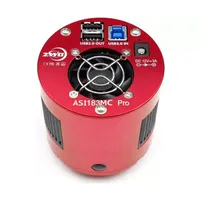
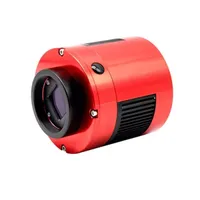
The color cameras like the ZWO ASI183MC Pro and ZWO ASI533MC Pro have delivered beautiful colored detail in galaxies and nebulas, whereas the monochrome ZWO ASI175 mono delivered exceptional solar photography.
Explore the ZWO range on sale at B&H Photo and Video, with the ZWO ASI183MC Pro, ASI153MC Pro and ASI175 mono astronomy cameras 10% off.
An astronomy camera has only one job: To be good at astrophotography, nothing else. They are essentially just camera sensors but full of features that only benefit astro. It has active cooling for reducing image noise, no infrared (IR) cut filter to allow nebula colors in Hydrogen-alpha to be captured and a range of different things that sharpen every aspect of image capture during astrophotography. If you want to start using an astrocam, you will need optics to use with your astrocam, so grabbing a telescope or a special astrophotography telescope is essential.
- We've got you covered with reviews and rankings of the best telescopes, binoculars, star projectors, cameras, drones, Lego, streaming and more.

Damian A. Peach FRAS reviewed the ZWO ASI183MC Pro on Space.com and is a British amateur astronomer, astrophotographer, lecturer and author. Best known for his photographs of a wide variety of astronomical objects. His career in the field spans over thirty years, with work published in numerous magazines, books and galleries. Peach's work has also been used by NASA and ESA to illustrate what ground-based telescopes can achieve in photographing the planets, and the support they can provide to professional space probe missions.


Professional astrophotographer Damian Peach gave strong ratings to these astrocams for their performance in capturing deep-sky targets such as the Orion Nebula (M42), the galaxy NGC 6946 and the planet Jupiter.
He said both the ZWO ASI183MC Pro and ASI533MC Pro are suitable for those looking to get a dedicated multi-use camera for astrophotography, including deep sky objects and short exposure lunar and planetary photography. The ASI533 is the pro choice, as it features newer sensor technology with zero amp glow circuitry, decreasing the need for dark frame captures like with the older ASI183MC.



Jamie is an experienced science and travel journalist and reviewed the ZWO ASI174mm mono camera. But he is also a stargazer and eclipse chaser who writes about exploring the night sky, solar and lunar eclipses, the Northern Lights, moon-gazing, astro-travel, astronomy and space exploration. He is the editor of WhenIsTheNextEclipse.com, author of A Stargazing Program For Beginners, co-author of The Eclipse Effect, and a senior contributor at Forbes.


Astronomy expert Jamie Carter tested out the ZWO ASI174mm mono camera to photograph the solar surface, along with a Sky-Watcher Heliostar 76mm and Solar Quest mount. He was able to capture some incredibly detailed images of the solar surface, showing features like sunspots, filaments and prominences.
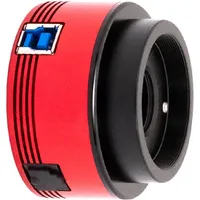
You should grab a monochrome camera like this if you are interested primarily in getting solar, lunar and planetary photography. They can capture more detail in these objects than color astronomy cameras and then color can be corrected in post-processing.
Check out our other guides to the best telescopes, binoculars, cameras, star projectors, drones, lego and much more.