Don't miss the Ursid meteor shower peak tonight, heralding the last major shooting star display of 2025 as Earth plows through the debris trail shed by comet 8P/Tuttle.
The Ursid meteor shower is active during a relatively short window from Dec. 17 to Dec. 26, with peak activity expected overnight on Dec. 21-22, when up to 10 shooting stars may be visible each hour under dark skies, according to the American Meteor Society.
Shooting stars associated with the shower will appear to originate from a patch of sky close to the bright star Kochab in the constellation Ursa Minor, which can be found above the northern horizon throughout December. Ursa Minor, or the "Little Bear", is a circumpolar constellation. As such, it never sets from the perspective of viewers in the northern hemisphere and instead appears to spin around its brightest member — Polaris, the North Star.
How to spot Ursid meteors
The best time to hunt for Ursid meteors is from the evening of Dec. 21 straight through to dawn on Dec. 22. The shower's peak occurs just two days after December's new moon phase, which means that you'll have near pristine skies in which to hunt for shooting stars.
First, locate Kochab in the northern sky using a handy skywatching smartphone app. Next, find a patch of sky 40 degrees above the bright star in the direction of your local zenith (the point above your head). Here, the meteor trails will be at their longest. Remember, the width of your fist accounts for roughly 10 degrees of sky! So simply stack four "fists" on top of Kochab to find your ideal meteor hunting site.
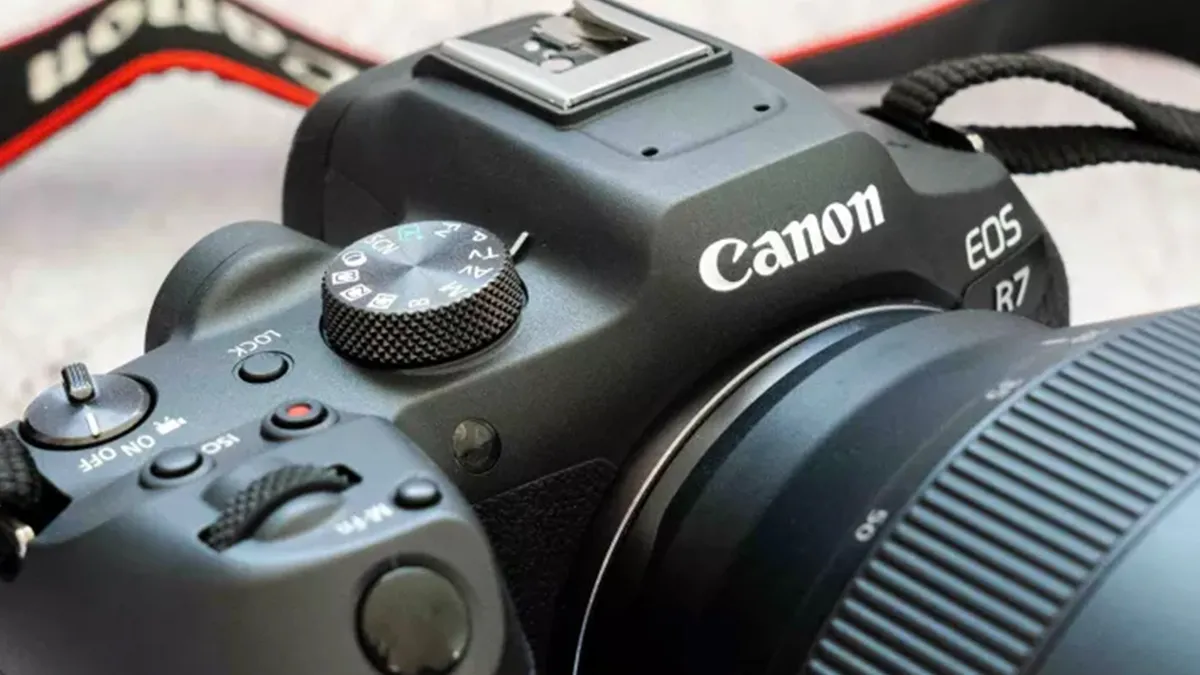
The Canon EOS R7 is the best camera for beginners hoping to capture shooting stars. It features a 34.4MP sensor, ISO range up to 32,000 and a video capability of 4K UHD 60p and all the best tools to help a novice master photography. Read our full Canon EOS R7 review.
The Ursid meteor shower coincides with the date of the winter solstice — the point when Earth's axis is tilted furthest from the sun, granting the northern hemisphere the longest night of the year. Be sure to wrap up warm to combat the late autumn cold and to allow up to 30 minutes for your eyes to fully adjust to the dark — this will help you spot the faintest meteors in the near-pristinely dark December sky.
Hoping to immortalize your view of the Ursid meteor shower? Then be sure to read our guide to imaging shooting stars and to check out our picks of the best cameras and lenses for capturing the majesty of the night sky.
Editor's Note: If you capture an image of an Ursid meteor and want to share it with Space.com's readers, then please send your photo(s), comments, and your name and location to spacephotos@space.com.