Astrophotographer Greg Meyer has captured a magnificent view of the Flaming Star Nebula blazing in the night sky some 1,500 light-years from Earth in the constellation Auriga, the Charioteer.
Meyer's image appears to show a maelstrom of fire leaping away from the colossal star AE Aurigae, whose dramatic appearance has earned it the nickname of the "flaming star". In reality, the fiery glow is caused by radiation pouring out from the energetic star, which ionizes the surrounding hydrogen gas, stripping it of electrons and causing it to glow with its own light.
AE Aurigae is a so-called runaway star. Scientists think it was born in the Trapezium cluster at the heart of the Orion Nebula, before being forcefully ejected following an interaction with a binary-star system some 1.5 million years ago, according to NASA's Jet Propulsion Laboratory.
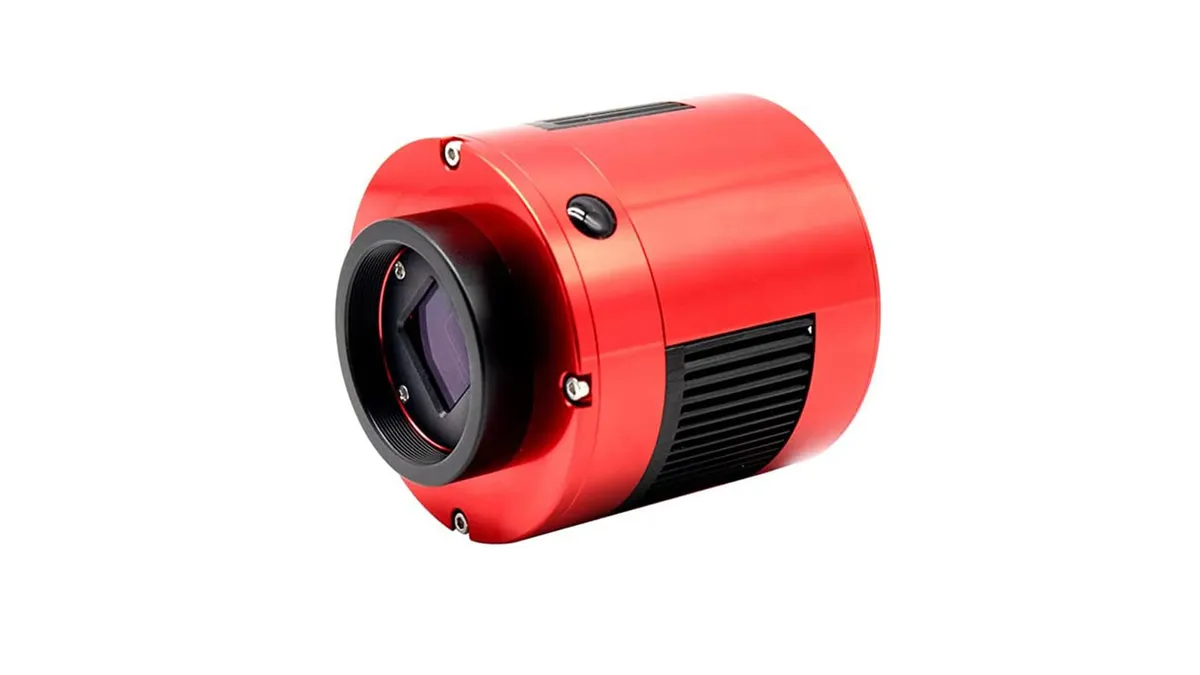
The ZWO ASI533MC Pro camera is the best dedicated astro camera out there, in our opinion. It features zero amp glow, 80% quantum efficiency and a 20FPS frame rate. It also features a 9MP sensor and you can check out our ZWO ASI533MC Pro review for a more in-depth look.
The bottom of the image is dominated by the "Tadpole Nebula" (IC410), which resembles a blue cosmic pond in the false-color image. Two tadpole-shaped columns of yellow dust and gas appear to swim towards the nebula's glowing center, sculpted by stellar winds and radiation from nearby young stars.
Meyer captured the scene in mid-January using a Radian Raptor 61 mm telescope paired with an astronomy camera and filters, plus supporting peripherals while under dark Arizona skies.
Just under 21 hours' worth of light data was collected and then compiled using a combination of Adobe Lightroom and Photoshop and the specialized astrophotography software PixInsight. The payoff? A sprawling nebula scene stretching light-years in diameter, revealed in extraordinary detail far beyond what the human eye can see.
Inspired to start your own astrophotography journey? Then be sure to read our guides to the best cameras and lenses for capturing the night sky. While you're at it why not also peruse our picks of the best telescopes for astrophotography.
Editor's Note: If you would like to share your astrophotography with Space.com's readers, then please send your photo(s), comments, and your name and location to spacephotos@space.com.