





-
-
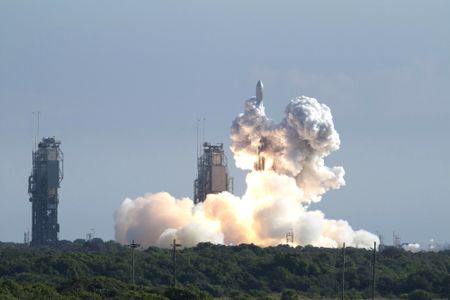 On this day in space! Sept. 10, 2011: NASA launches GRAIL probes to the moon to map lumpy lunar gravity
 -
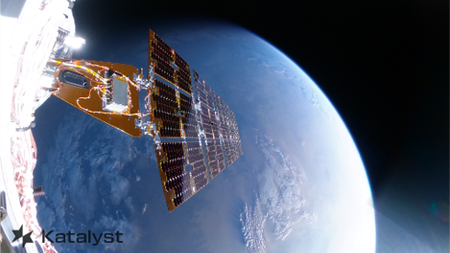 LINK spacecraft gets close to NASA's Swift Observatory, but not close enough to save it
 -
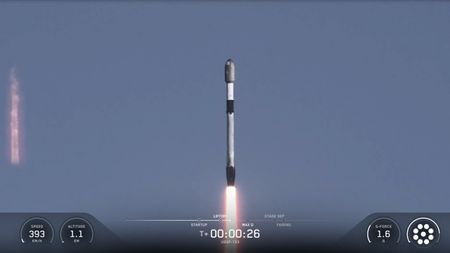 SpaceX launches classified mission for the US Space Force from California (video)
 -
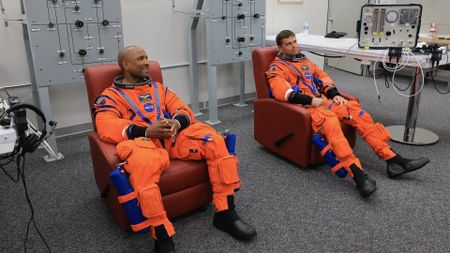 What comes after the moon? Artemis II commander and pilot shift to 'emeritus' status at NASA
 -
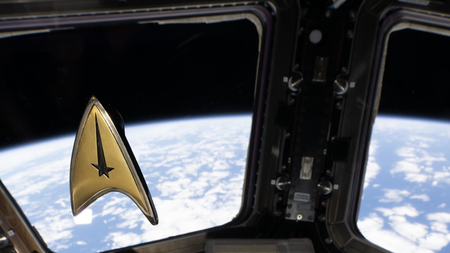 International Space Station astronaut gives out of this world tribute to honor Star Trek’s 60th anniversary8 Comments
 -
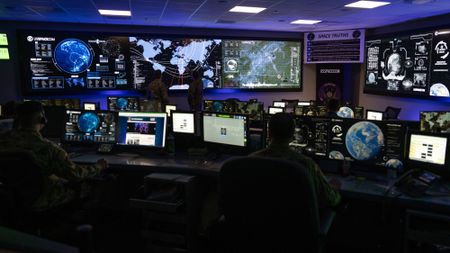 US military practices orbital dogfighting in 1st-ever 'live fly' exercise in space5 Comments
 -
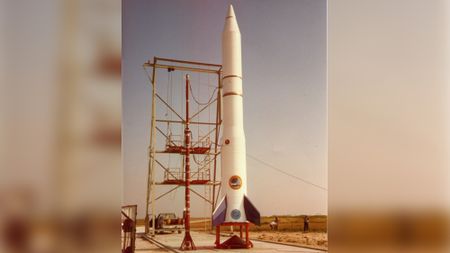 On this day in space! Sept. 9, 1982: The 1st private rocket, called Conestoga 1, launches from a Texas cattle ranch
-


-
-
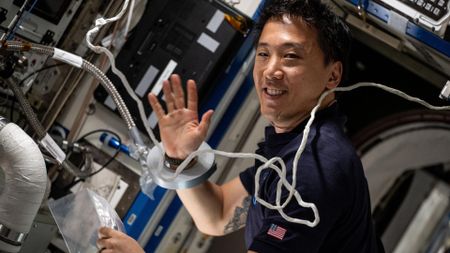 Astronaut Jonny Kim leaves NASA, will return to active military duty
 -
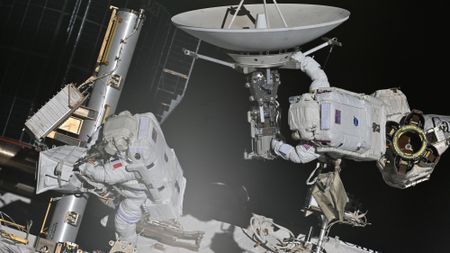 Astronauts make history repairing the ISS | Space photo of the day for Aug. 25, 2026
 -
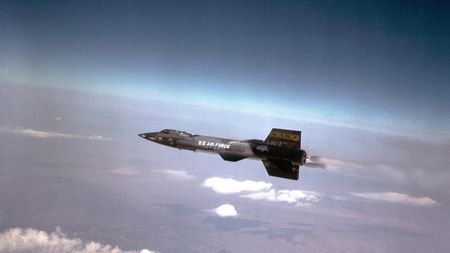 On this day in space! Aug. 22, 1963: X-15 sets world altitude record
 -
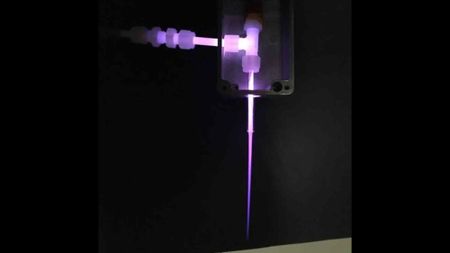 Scientists create 'laundry gun' for astronauts to clean their clothes by shooting out plasma4 Comments
 -
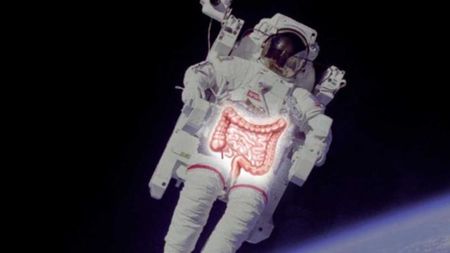 It's harder to poop in space. Scientists may finally know why8 Comments
 -
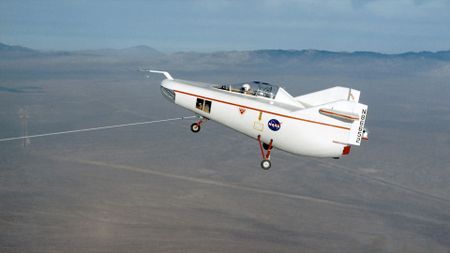 On this day in space! Aug. 16, 1963: Wingless M2-F1 completes 1st glide flight
 -
 Cards Against Humanity wants to erect a monument to 'honor' Elon Musk10 Comments
 -
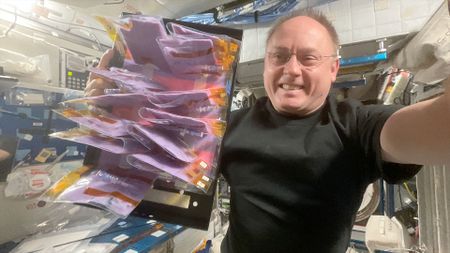 NASA astronaut Mike Fincke retires after 30 years at the space agency
 -
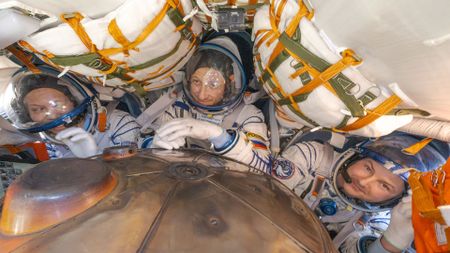 NASA astronaut, 2 cosmonauts return to Earth after 241 days on space station (video)2 Comments
-


-
-
SpaceX launches classified mission for the US Space Force from California (video)
-
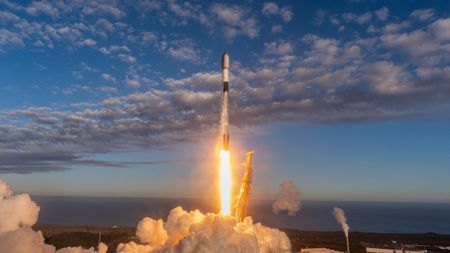 SpaceX Falcon 9 rocket launches 27 Starlink satellites, lands on ship at sea (video)
 -
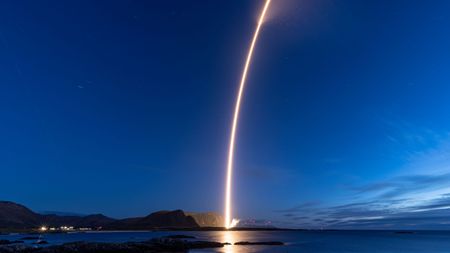 Private German rocket makes history, reaches orbit from European soil22 Comments
 -
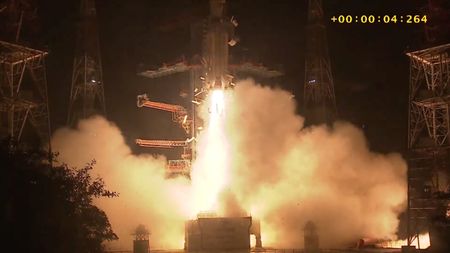 India sends Earth-imaging satellite toward geosynchronous orbit in milestone launch (video)
 -
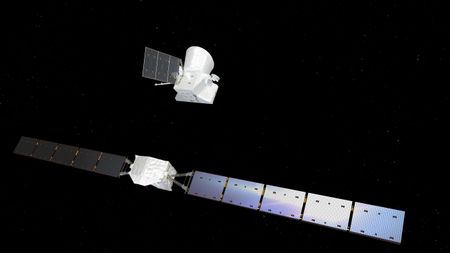 2 spacecraft headed to Mercury are about to begin their long-awaited arrival for Europe and Japan — watch it live today10 Comments
 -
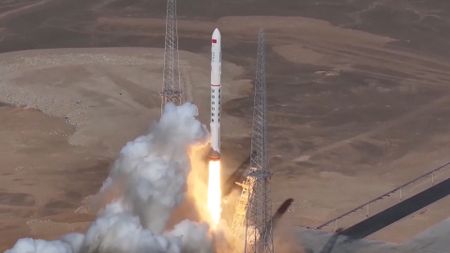 China's private, reusable Pallas-1 rocket aces debut launch (video)3 Comments
 -
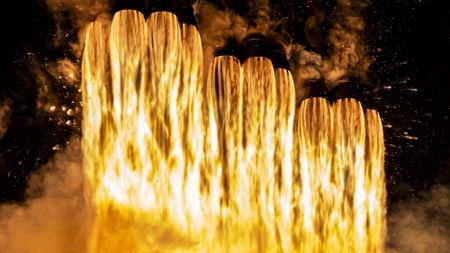 Falcon Heavy brings the heat | Space photo of the day for Sept. 2, 20263 Comments
 -
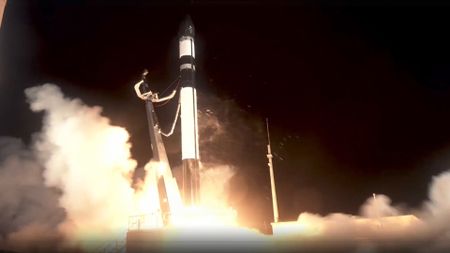 Rocket Lab launches Japanese radar satellite to orbit on 'Owl Around the World' mission (video)
 -
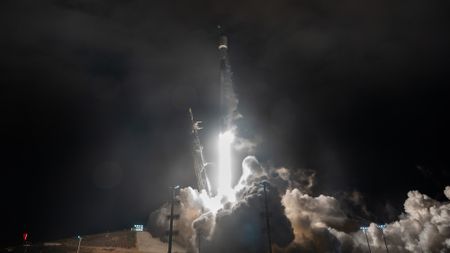 SpaceX Falcon 9 rocket launches Starlink satellites to orbit on its 35th flight
-


-
-
LINK spacecraft gets close to NASA's Swift Observatory, but not close enough to save it
-
What comes after the moon? Artemis II commander and pilot shift to 'emeritus' status at NASA
-
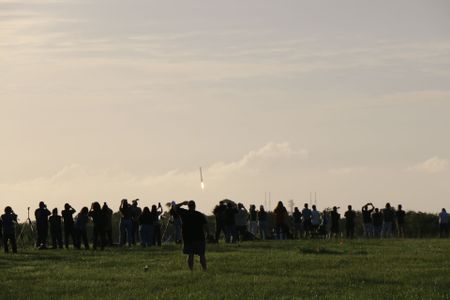 SpaceX rocket taxi returns after Roman Telescope launch | Space photo of the day for Sept. 8, 20265 Comments
 -
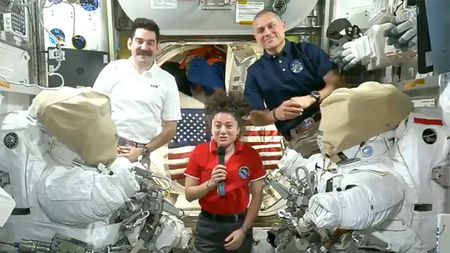 Two astronauts complete camera and docking aid replacements on spacewalk outside space station
 -
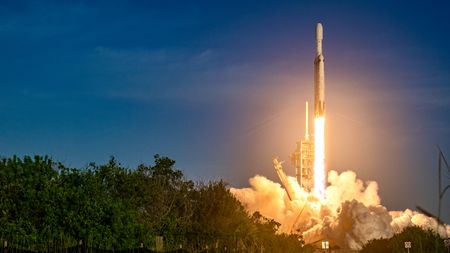 Roman Space Telescope live updates: NASA begins spacecraft commissioning process26 Comments
 -
'A new mission starting today': 8 years after launch, BepiColombo begins Mercury arrival4 Comments
-
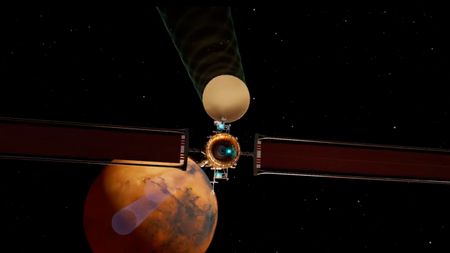 Blue Origin wins $700 million contract to build NASA's next Mars orbiter13 Comments
 -
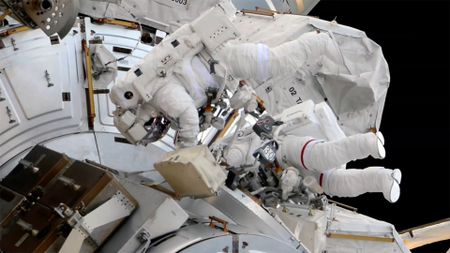 Two astronauts complete camera and docking aid replacements on spacewalk outside space station3 Comments
 -
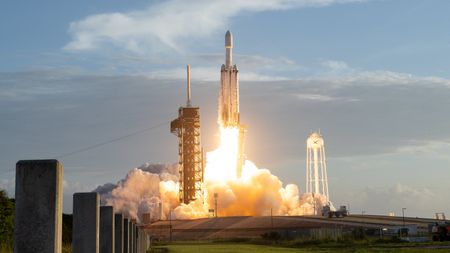 NASA's Roman Space Telescope is just one of a few missions named after real-life women
-


-
-
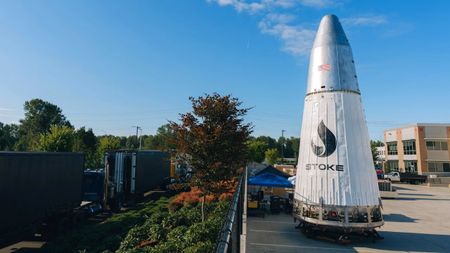 Stoke Space raises $1 billion for fully reusable rockets, targets 'early 2027' for 1st-ever launch6 Comments
 -
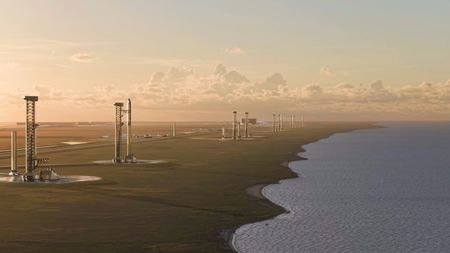 Starbase Louisiana: SpaceX announces enormous $100 billion Starbase launch site65 Comments
 -
 Virgin Galactic delays next commercial spaceflight to 20278 Comments
 -
 Annie Easley, a hero of NASA | Space photo of the day for June 19, 2026
 -
 SpaceX IPO brings Starship to NYC | Space photo of the day for June 16, 2026
 -
 SpaceX goes public with a mind-bogglingly historic IPO. The space industry may never be the same.20 Comments
 -
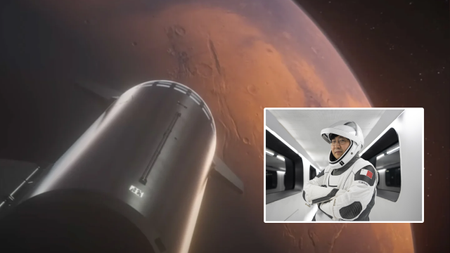 This cryptocurrency billionaire will fly SpaceX's 1st private Starship to Mars, but when?11 Comments
 -
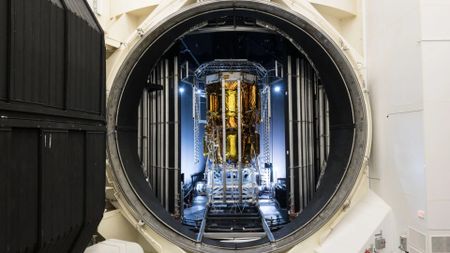 Moon lander preps for the lunar surface | Space photo of the day for May 5, 20264 Comments
 -
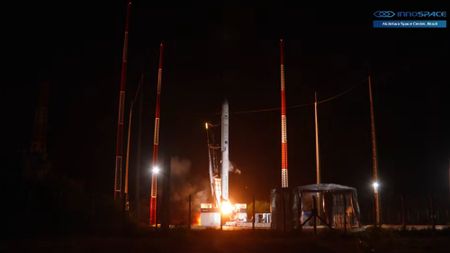 Private South Korean rocket exploded last December due to hardware failure, investigation finds
-


-
-
US military practices orbital dogfighting in 1st-ever 'live fly' exercise in space5 Comments
-
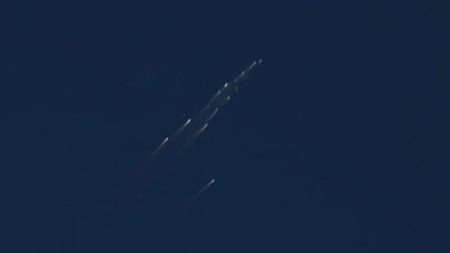 2 satellites just burned up in Earth's atmosphere — and scientists were watching from a private jet. Here's why
 -
 The Vela Incident: Did an American satellite detect a secret nuclear test in 1979?2 Comments
 -
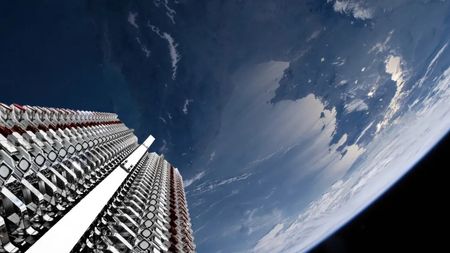 ReferenceStarlink satellites: Facts, tracking and impact on astronomy
 -
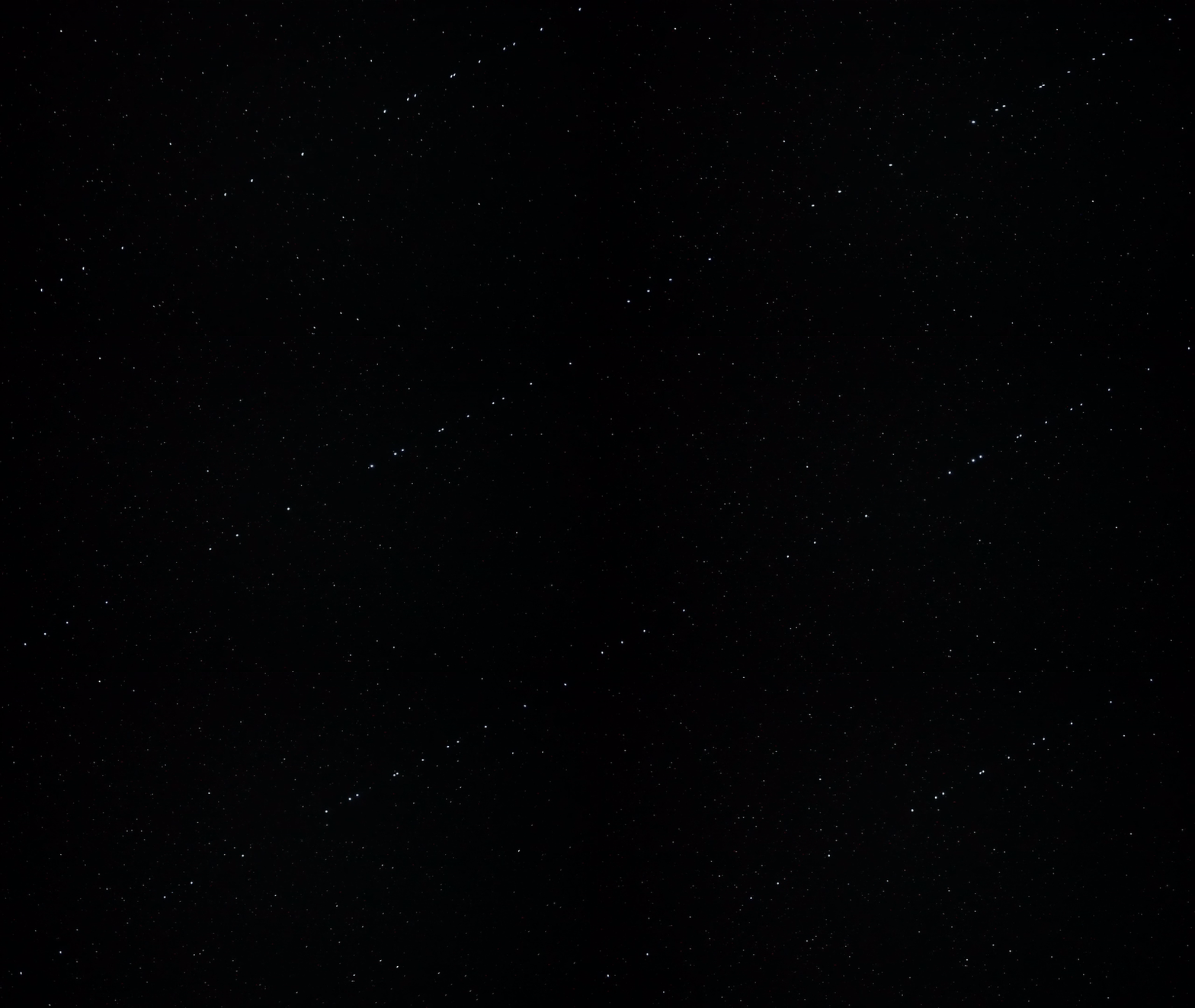 ReferenceStarlink satellite train: how to see and track it in the night sky3 Comments
 -
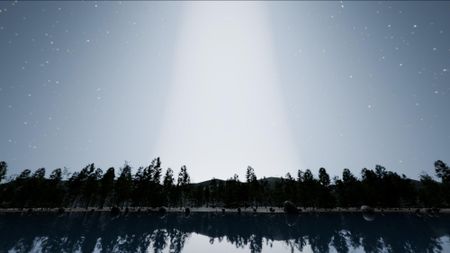 Massive space mirrors could be 40 times brighter than the full moon, astronomers warn. 'It will be worse than big cities like London'6 Comments
 -
 Polish startup Ares Shield hired to protect data center satellites with high-power microwave weapons
 -
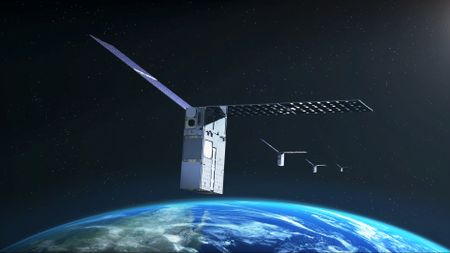 NASA satellites ace world's 1st 'lost-in-space' GPS-free navigation experiment
 -
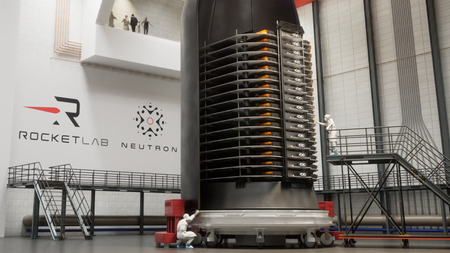 US Space Force gives Rocket Lab $397 million to build threat-tracking 'Flatellites'
-


-
-
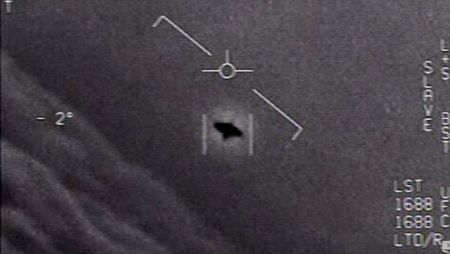 'This is unprecedented': Why the Pentagon's recent UFO file releases are so important36 Comments
 -
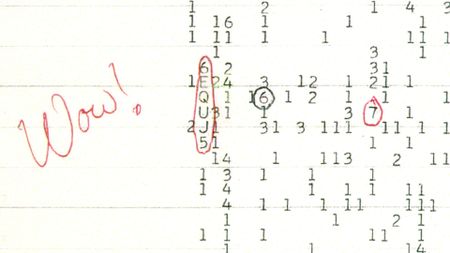 On this day in space! Aug. 15, 1977: Mysterious 'Wow!' Signal boosts search for E.T.
 -
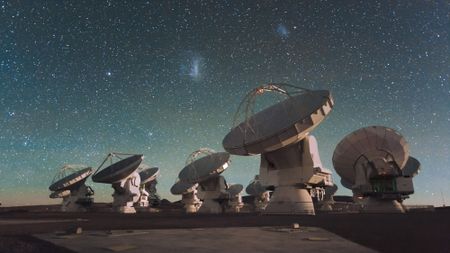 Are aliens running out of places to hide? It turns out we've searched much more of the galaxy than we realized22 Comments
 -
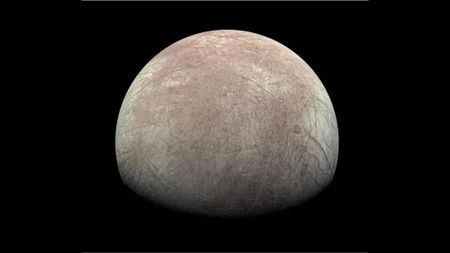 Jupiter's moon Europa may have signs of life in its buried ocean — but can we get to them?5 Comments
 -
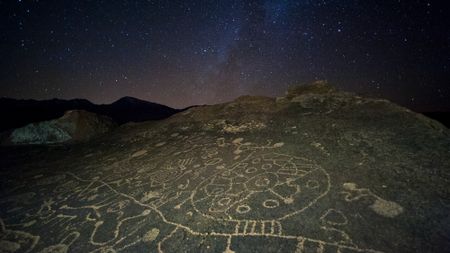 Are we overlooking signs of alien life that aren't technological or biological? 'Bread would be a signature of intelligence'4 Comments
 -
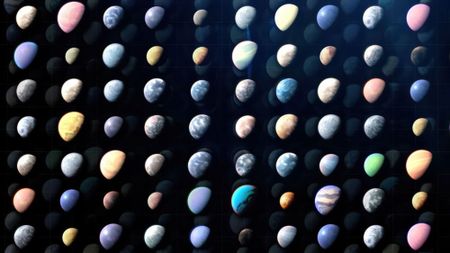 Alien life likely can't survive on exoplanets smaller than Mars, scientists say4 Comments
 -
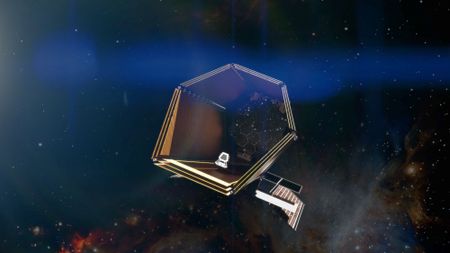 Should we trust AI in the search for alien life? Scientists aren't so sure2 Comments
 -
 White House appoints Harvard astronomer Avi Loeb to lead new UFO study group20 Comments
 -
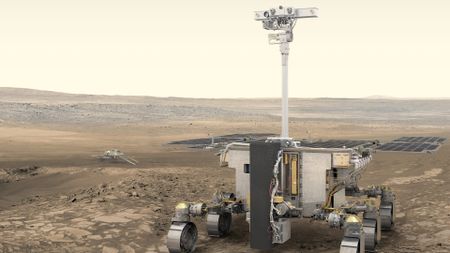 Could evidence of life on Mars be hiding in clay? Europe wants to send a rover to check4 Comments
-


-
-
On this day in space! Sept. 9, 1982: The 1st private rocket, called Conestoga 1, launches from a Texas cattle ranch
-
Stoke Space raises $1 billion for fully reusable rockets, targets 'early 2027' for 1st-ever launch6 Comments
-
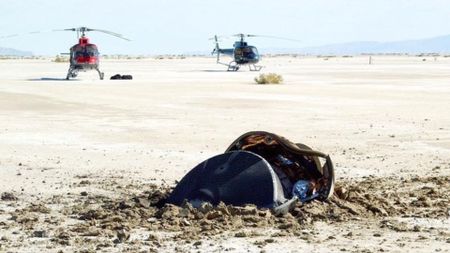 On this day in space! Sept. 8, 2004: NASA's Genesis spacecraft crashed in the Utah desert, shattering its samples of solar wind particles from the sun
-
