For a show with no aliens or faster-than-light travel, "Red Dwarf" has crammed an awful lot of sci-fi concepts into its 13 seasons.
Frequently as smart as "Star Trek" — albeit on a much smaller budget — Rob Grant and Doug Naylor's BBC sitcom always punched above its weight when it came to big genre ideas. In fact, many of its stories were truly ahead of their time, built around concepts that have since turned up in hit American shows (including the recent "Strange New Worlds" season four finale) and even Christopher Nolan movies.
Below we've picked out 10 sci-fi storylines and premises (and one honorable mention) where Dave Lister, Arnold Rimmer, Kryten and the Cat got there first…
1. Thoughts made flesh
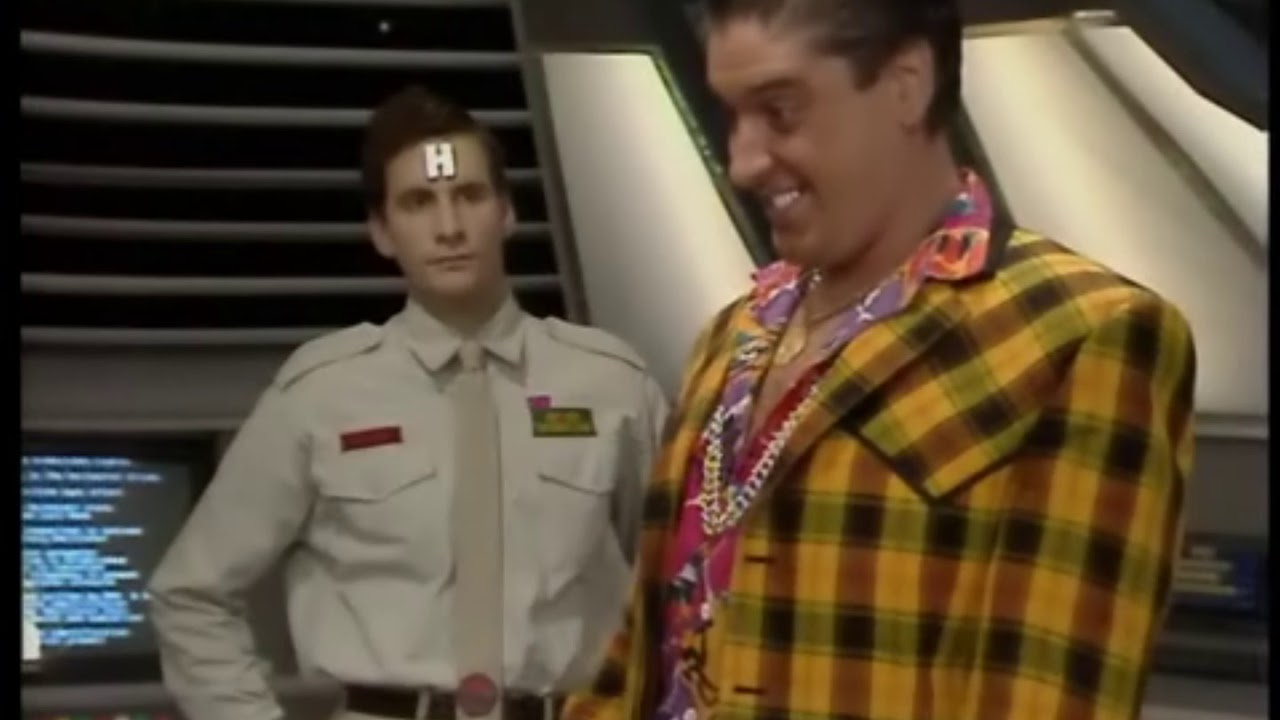
Episode: "Confidence and Paranoia", "Red Dwarf I" (1988)
In "Red Dwarf": Lister goes down with a bout of space pneumonia, which has the unlikely side-effect of making his fever dreams a reality. In a twist that would give Sigmund Freud a field day, his confidence and paranoia manifest as actual humans — the former played by ex-"The Late Late Show" host Craig Ferguson.
In "Star Trek: Deep Space Nine": With a plot that feels more like a "Buffy the Vampire Slayer" outing, "DS9" season one episode "If Wishes Were Horses" sees the crew's imaginations literally coming to life. The station is soon invaded by out-of-time baseball stars, fairytale villains, and unseasonal snow, all created by aliens eager to understand the concept of imagination.
2. Total immersion virtual reality games
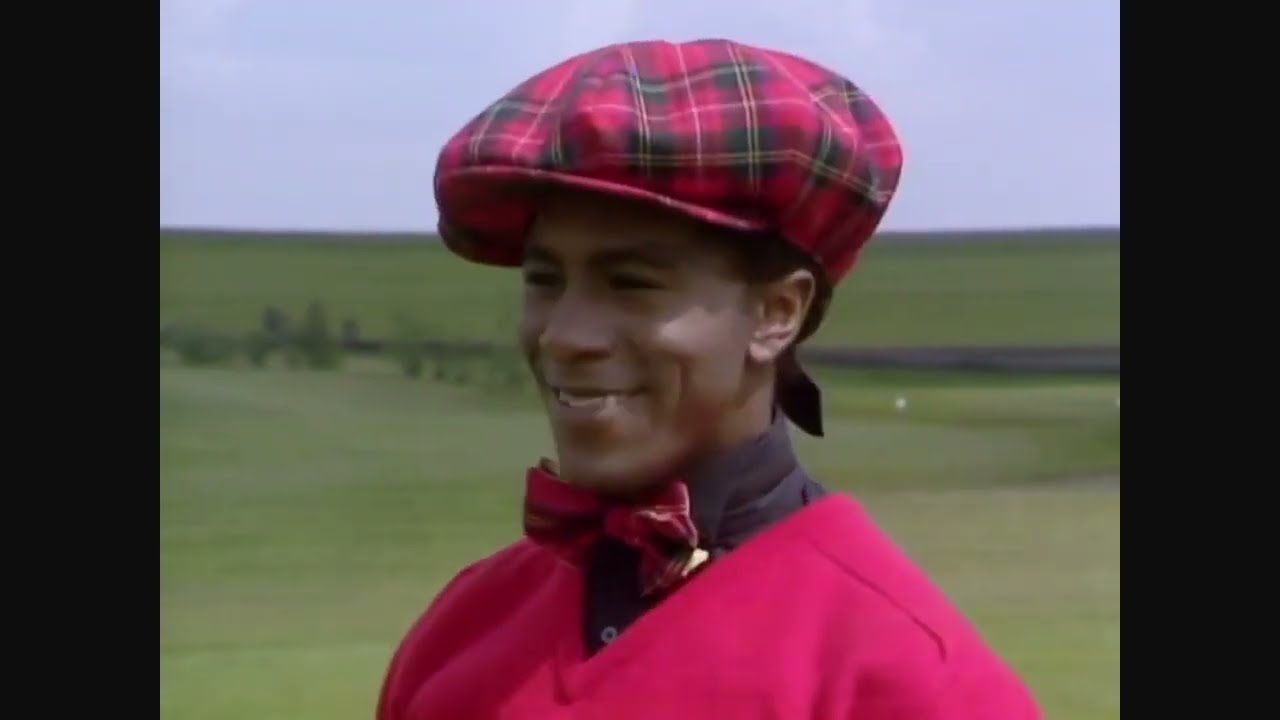
Episode: "Better than Life", "Red Dwarf II" (1988)
In "Red Dwarf": The crew immerses themselves in a total immersion reality game named "Better than Life". Using some headgear that looks nothing at all like a bicycle helmet, they enter a virtual world indistinguishable from reality — though, of course, Rimmer doesn't deal with happiness well, and manages to ruin it for everyone. (Similar virtual reality tech later appeared in "Red Dwarf VI" episode "Gunmen of the Apocalypse".)
In "Ready Player One": Yes, the holodeck turned up in "Star Trek: The Next Generation" a year before — and the "Recreation Room" appeared in "The Animated Series" a year before that — but they're simulations you walk into. The OASIS in "Ready Player One", however, is undeniably a descendant of the "Better than Life" tech, an all-encompassing virtuality experience built to transport you away from the drudgery of everyday life.
3. Life in reverse
Episode: "Backwards", "Red Dwarf III" (1989)
In "Red Dwarf": Kryten and Rimmer crash-land on a version of Earth where time runs backwards for everyone but them. While they wait for Lister and the Cat to rescue them, they make a living as a comedy duo called "The Sensational Reverse Brothers", while also trying to avoid finding out what happens when you go to the toilet…
In "Tenet" (2020): Temporal terrorists use prototype technology to "invert entropy", allowing them to travel through time in reverse. Director Christopher Nolan uses the premise to stage spectacular sequences where cars reverse down freeways at high speed, cause and effect goes topsy-turvy, and fights are just, well, weird.
As a result, it's incredibly difficult to understand what the hell is going on — the "Red Dwarf" version is shorter, easier to follow, and an awful lot funnier.
4. Take a picture
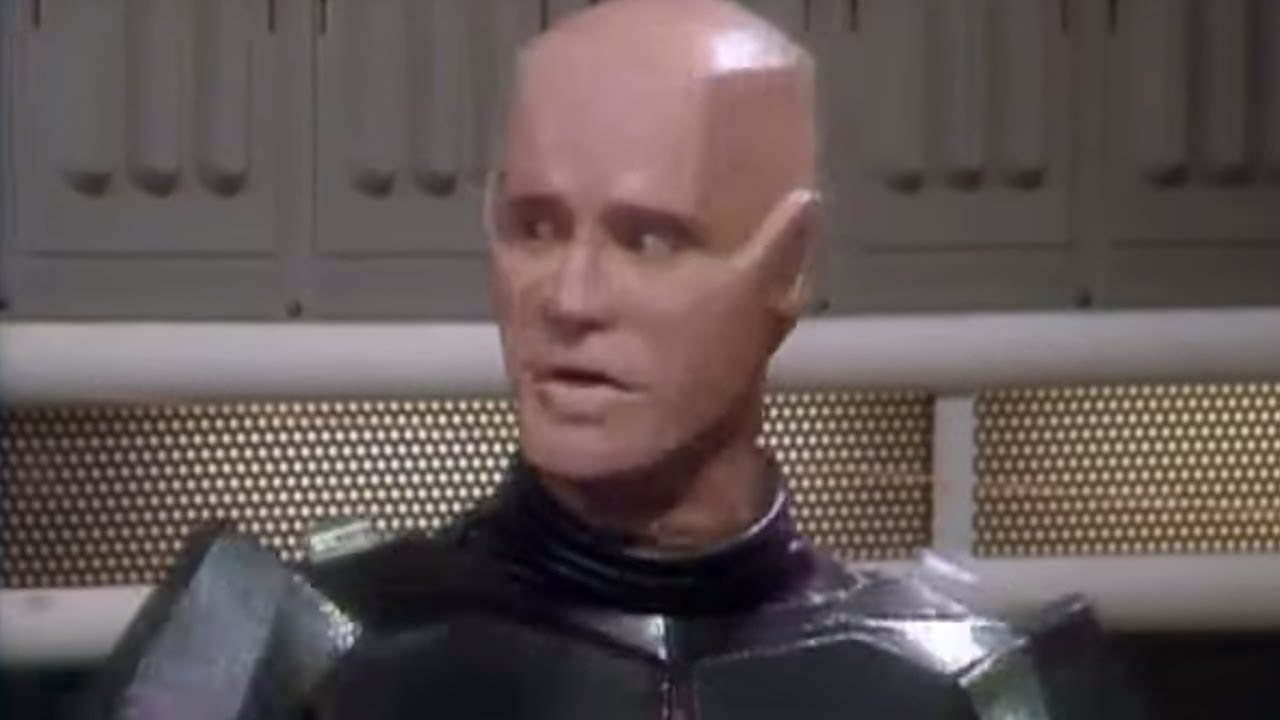
Episode: "Timeslides", "Red Dwarf III" (1989)
In "Red Dwarf": In the ship's darkroom (for the benefit of anyone under 35, that's where pre-digital photos were developed), a weird turn of events causes pictures to come to life. The crew can subsequently step inside images and interact with people and objects in the snaps — as long as they don't step outside the frame of the original photo. This results in a snowball fight, some wedding crashing, and Lister stealing Hitler's bag.
In "Black Mirror": "Timeslides" gets a predictably dark (but moving) twist in the seventh season of Charlie Brooker's dystopian anthology series. In "Eulogy", Paul Giamatti plays the lonely Philip, invited to assist with a memorial for an ex-girlfriend who's just passed away. Using a tech company's tech to explore existing photos — his last connection to his former love — he revisits painful memories and thoughts of what might have been.
5. The odd couple
Episode: "Marooned", "Red Dwarf III" (1989)
In "Red Dwarf": Starbug crash-lands on a remote ice planet, trapping Lister and Rimmer alone on a strange and hostile world. With their survival in the balance, there's nothing for the two frenemies to do but talk. A lot.
In "Star Trek: Enterprise": "Shuttlepod One" is the quintessential American bottle episode, a popular TV device in which the action is predominantly confined to a single set. In a plotline remarkably reminiscent of "Marooned", Trip Tucker and Malcolm Reed find themselves contemplating the end after the apparent destruction of the Enterprise. There's not much for the two crewmates to do but talk. A lot.
6. Seeing what they want you to see
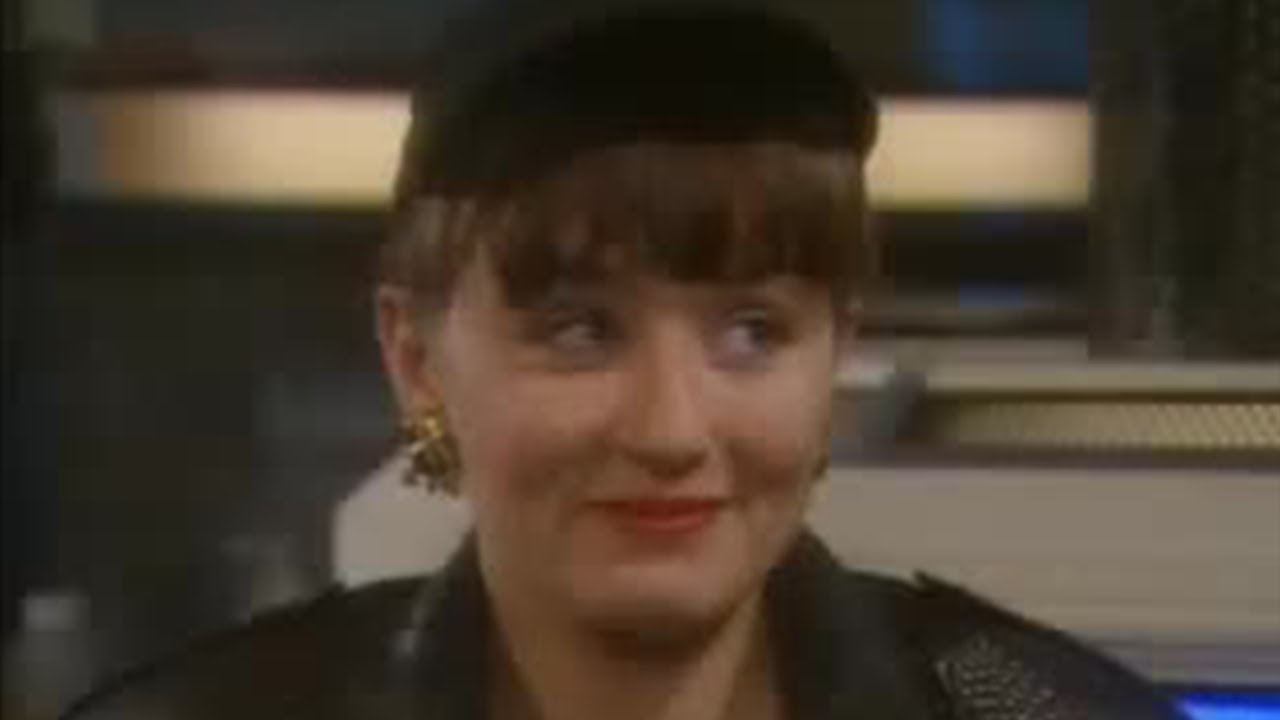
Episode: "Camille", "Red Dwarf IV" (1991)
In "Red Dwarf": On a mission to save a doomed spaceship, the crew rescue a female mechanoid named Camille. Or so they think… she's actually a pleasure GELF (Genetically Engineered LifeForm) who can assume the form of anyone's ideal partner. Hence, Lister sees a Liverpudlian woman, Rimmer encounters a fussy hologram, and the narcissistic Cat gets to date, well, himself.
In "Babylon 5": The mysterious Vorlons, one of "Babylon 5"'s oldest races, spend most of the series hiding away in "encounter suits" that hide their true form. But when Ambassador Kosh eventually reveals himself while rescuing Captain Sheridan from a potentially fatal fall, he projects a more angelic form, with everyone on the space station seeing a face appropriate to their own species.
Because the Vorlons have spent thousands of years tampering with the DNA of younger races, we've all been pre-programmed to see them as beatific beings.
7. A white hole
Episode: "White Hole", "Red Dwarf IV" (1991)
In "Red Dwarf": "So, what is it?" "Red Dwarf" didn't invent the white hole — the concept is based on actual theoretical astrophysics — but the sitcom certainly had a big part to play in bringing the less famous twin of the black hole into public consciousness. In the show, the crew encounters a white hole spewing time and space into the universe, and the only way to close it is for Lister to play space pool, sinking a planet into the interdimensional fissure via an over-elaborate trick shot.
In "Star Trek: Strange New Worlds": With all the spatial anomalies that pop up on the final frontier, it's remarkable that it took until the Strange New Worlds season four finale, "Tomorrow's Enterprise", for a white hole to show up.
The "Trek" version may be surprisingly close to current theory, which suggests that the white hole is essentially the flip side of a black hole — while nothing can escape from a black hole, nothing can enter a white hole.
That said, it's unlikely that a real-life white hole/black hole dyad would allow Uhura to communicate with a future version of herself. Or that it would be the birthing site for a giant space baby with no concept of past, present, or future.
8. Manipulating the odds
Episode: "Quarantine", "Red Dwarf V" (1992)
In "Red Dwarf": The crew visits a virus research centre where they discover a selection of "positive" viruses — rather than making you ill, their effects are generally good for your wellbeing. Examples include inspiration, charisma, sexual magnetism and — most notably — luck.
In Marvel comics: Domino made her Marvel debut just before this "Red Dwarf" episode, but we're going to put this down to a case of convergent evolution. The X-Force and "Deadpool" mainstay is well known for her ability to manipulate the laws of chance — just like the probabilistic microbe, her powers turn luck into a tangible property.
9. Hard light
Episode: "Legion", "Red Dwarf VI" (1993)
In "Red Dwarf": Holographic crew member Rimmer is cursed to live his life unable to touch anything, until gestalt entity Legion upgrades his "light bee" — the hovering device that creates his image — to project "hard light". He subsequently becomes, to all intents and purposes, indestructible, while remaining entirely mobile.
In "Star Trek: Voyager": "The Next Generation" was giving light physical form long before "Legion", but what happened on the holodeck tended to stay on the holodeck. Then the Emergency Medical Hologram became a series regular in "Voyager", and needed some way to set foot outside sickbay — his handy "mobile holo-emitter" is essentially an arm-mounted light bee.
"Starfleet Academy"'s photonic lifeform SAM (Series Acclimation Mil) also feels like a descendant of the holographic starship crew in "Red Dwarf V"'s "Holoship".
10. Quantum entanglement
Episode: "Entangled", "Red Dwarf X" (2012)
In "Red Dwarf": An experiment involving a "quantum rod" from a previous adventure causes Kryten and the Cat to become entangled on a quantum level. In other words, it's an excuse for Robert Llewellyn and Danny John-Jules to perform a masterclass in both physical theatre and spooky action, as they move entirely in sync with each other.
In "The Marvels": It's fair to say it's not quite how Albert Einstein theorized it, but quantum entanglement is also used to justify Carol Danvers, Monica Rambeau, and Kamala Khan being tied together in the 2023 MCU movie. The results are slightly different — they keep swapping places every time they use their powers — but it's a similarly loose riff on real-life physics.
Honorable mention: It happened last night
"Thanks for the Memory", "Red Dwarf II"
In "Red Dwarf": When the Boys from the Dwarf hold an epic party to mark the anniversary of Rimmer's death, they get so drunk that four days have passed by the time they wake up. With no memory of the intervening time — why is Lister's leg broken? Who completed that jigsaw puzzle — they try to piece together what happened.
In "The Hangover" (2009): Okay, it's not science fiction, but the hit comedy film is built on exactly the same premise — a bunch of guys get so wasted in Vegas that they end up on a mission to work out how they ended up with one missing tooth, a lost baby, and a tiger in their hotel bathroom.
Recent "Star Trek: Strange New Worlds" shore leave episode "Human Best Friend" also recycled that party/amnesia formula.