






Reflect Orbital wants to launch thousands of sunlight-beaming mirrors to space — and the 1st will go up next year
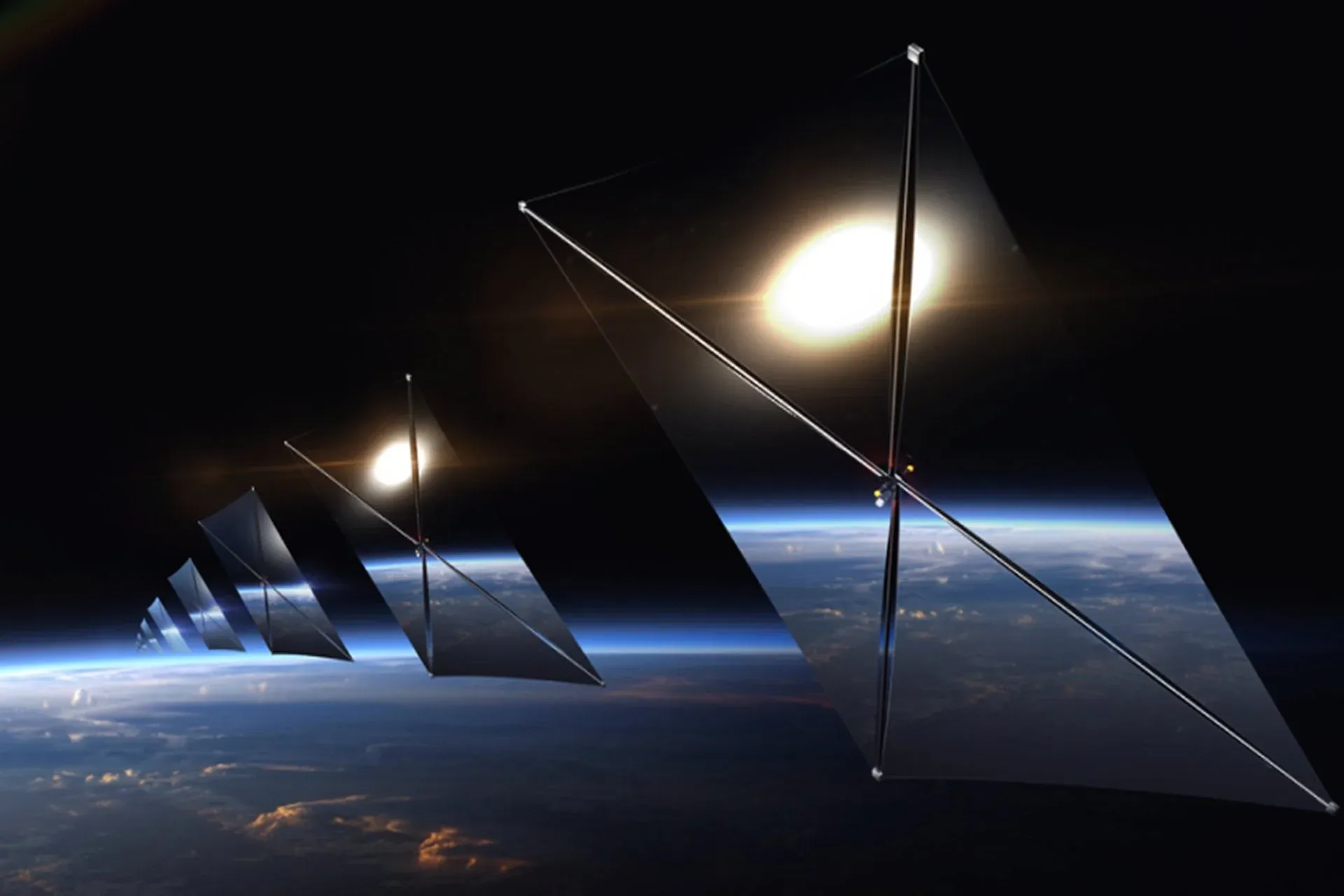
Reflect Orbital is moving forward with its plan to place mirrors in Earth orbit to produce and sell sunlight after dark.
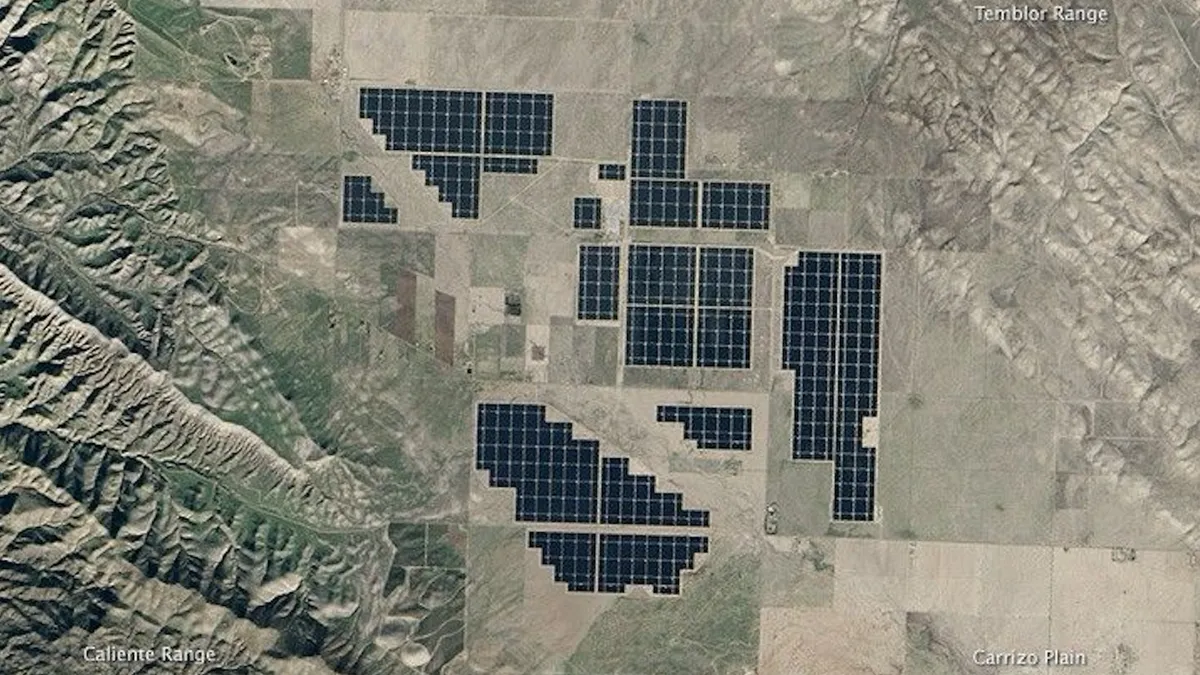
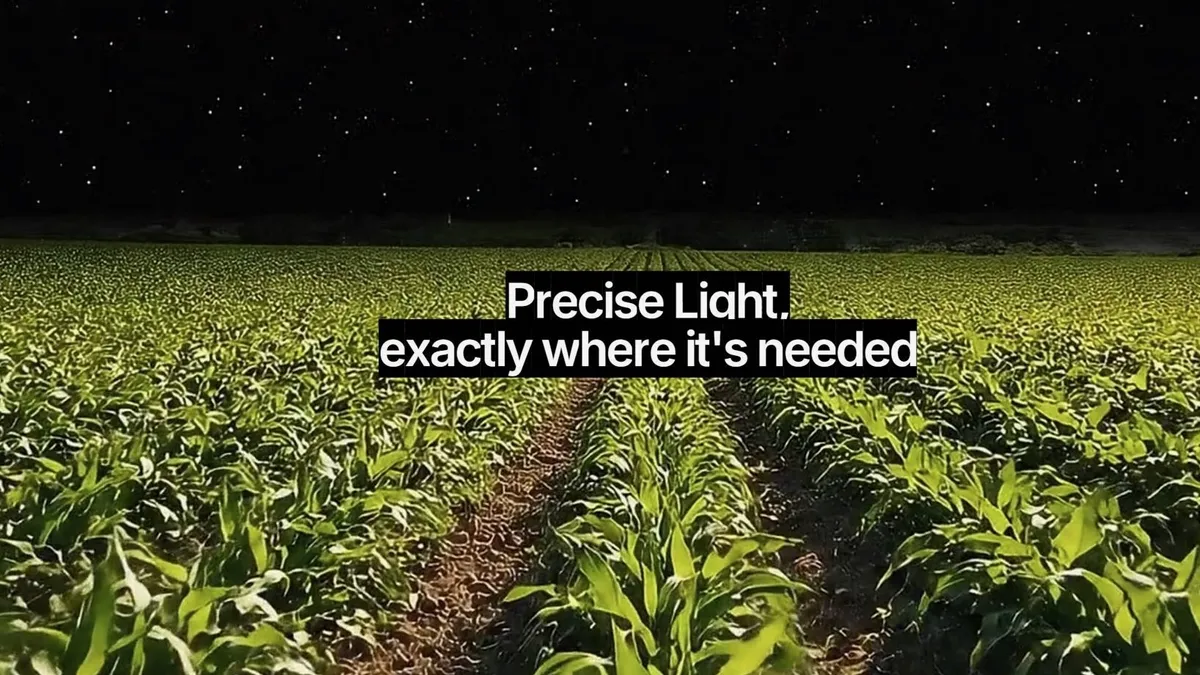
The goal is to extend the hours and output of solar farms globally, "making clean power dispatchable and available when you need it," the California-based startup explains on its website.
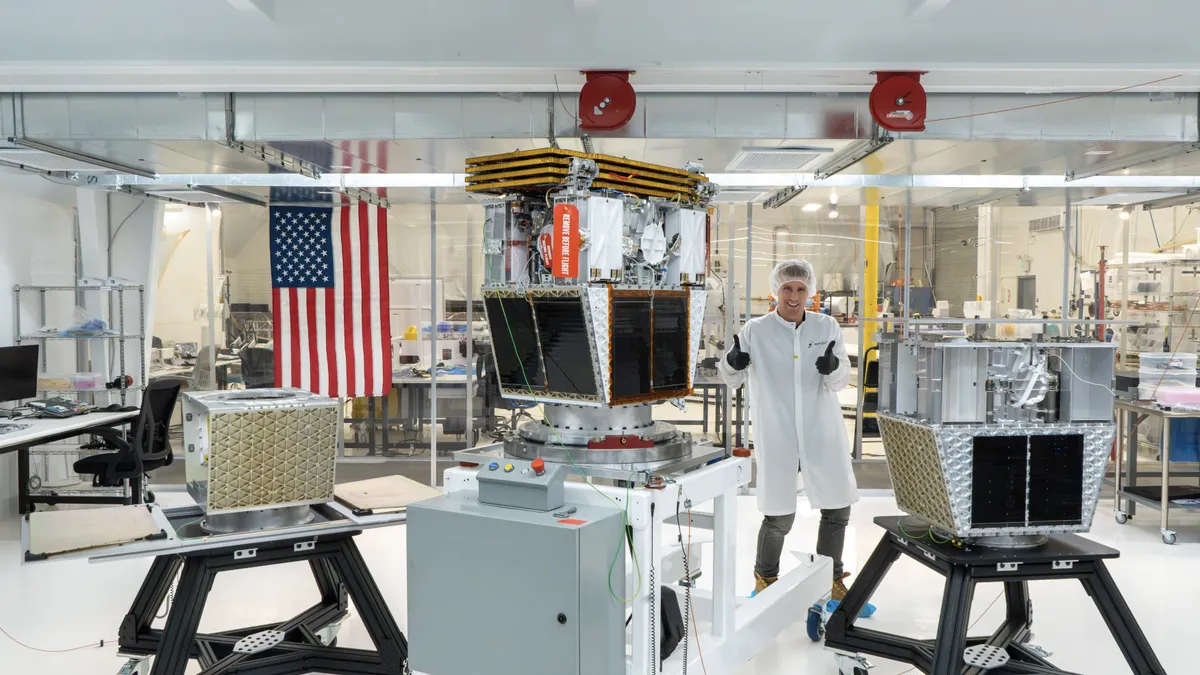
Reflect Orbital has made significant progress to date. On Tuesday (Nov. 10), for example, the company announced it had secured $73.5 million in new funding, boosting its total raise to more than $100 million. It has also gotten a formal go-ahead from the U.S. government to try out the concept in space and is currently readying its first test satellite, which is expected to launch in the second quarter of 2027. The identity of the launch provider is being kept under wraps at this time, the firm told Space.com.
Ground-based test
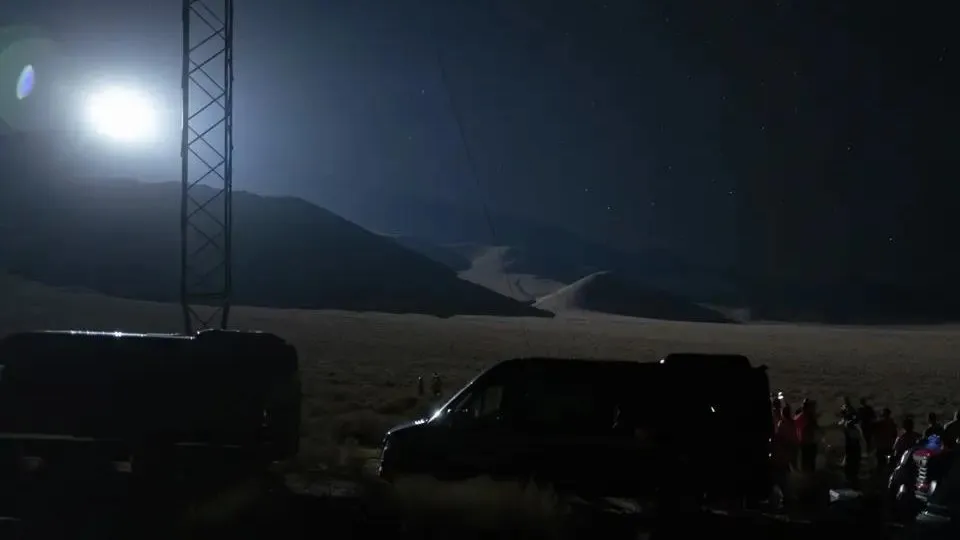
Reflect Orbital recently conducted a ground-based test in California, lighting up a mountainous area to practice search and rescue (SAR) techniques.
On Oct. 10, the space startup set up spotlights near Lone Pine, California to simulate the illumination its proposed satellites could provide — controlled lighting without the need for any ground infrastructure. "This lighting will support a variety of customers, from remote search-and-rescue operations to solar farms generating clean power," the company explained in an Oct. 14 statement.
The October illumination test ran from 7 p.m. to midnight and involved members of the China Lake Mountain Rescue Group (CLMRG), who practiced with night-time equipment.
CLMRG is an all-volunteer activity, operating under the auspices of the Kern County Sheriff's Office providing SAR services on an on-call basis at no cost.
Nighttime demonstration
"Together with local search-and-rescue and disaster response groups, we carried out a fully permitted nighttime demonstration of our responsive lighting service," a Reflect Orbital spokesperson told Space.com in response to an inquiry about the exercise. "Search-and-rescue and disaster response teams are expected to be our first customers, so this was a real-world test conducted alongside teams who will use our technology."
Mobile lighting gear was mounted on Horseshoe Meadows Road to provide a spot of light similar to the ones that Reflect Orbital satellites are expected to deliver. "The aim was to create a precise, realistic simulation of our service, so emergency responders could see how it will perform in real scenarios," Reflect Orbital said.
The brightness of the spot was roughly 0.7 lumens.
Incremental learning
Reflect Orbital added that it will keep working closely with local communities and authorities wherever the company operates, to show how its technology can help save lives.
"We're committed to learning incrementally about our technology and its impacts, and from potential customers and stakeholders, ahead of our planned satellite operations," the company stated.
In last month's illumination experiment, Reflect Orbital secured permits in advance, filed a NOTAM (a notice to pilots), notified Edwards Air Force Base and coordinated with the local sheriff's department. Area residents were also notified about the test ahead of time.
Test and learn
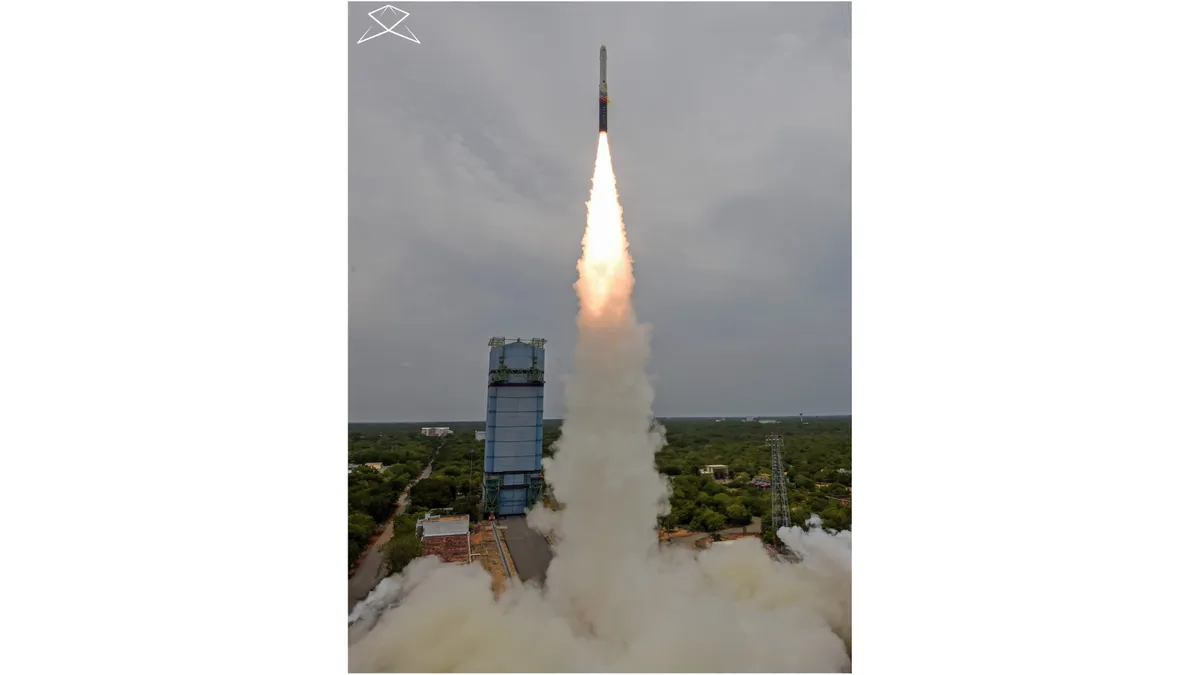
In a related development, Reflect Orbital has announced the purchase of two Skyroot Aerospace launches to deploy some of its spacecraft. Skyroot's Vikram-1 launcher is a product of India's private space sector, first flying from the nation's Sriharikota launch site last July. That flight was a landmark success, as Vikram-1 became the first private Indian rocket ever to reach orbit.
"These dedicated launches provide assured schedule and capacity, and complement Reflect Orbital's other planned launches from sites in the United States," Reflect Orbital explained in a different Oct. 14 statement.
Reflect Orbital says its approach is "incremental and test-and-learn." The company has been granted a license from the U.S. Federal Communications Commission (FCC) for one satellite. That mission will test the technology, including built-in safeguards governing precisely how, where and when the sunlight service is delivered.
"It will provide real-world data that shapes the design of future satellites," Reflect Orbital said, "the markets we serve, how we engage communities and the operational practices we put in place. We expect this to be the first of several test missions."
Dim view
Reflect Orbital wants to be operating at least 50,000 of its mirror satellites in orbit by 2035. Not surprisingly, many people in the astronomy and stargazer communities have a dim view of this plan, saying it will generate light pollution that significantly degrades the night sky.
Reflect Orbital counters that most people and most places will never see this light. Customers will require permits, signoff from local authorities and "Know Your Customer compliance" to receive the service. Every service will require multi-layer approval, the company says, and if people do not want the light, they will not receive it.
Reflect Orbital also claims that it can maintain exclusion zones covering astronomical observation sites.
"Our satellites will be default-off when idle and constellation vehicles are designed to stay under +7 stellar magnitude for all non-serving attitudes. We're able to dim the brightness of the service and turn it off at any stage," the company's website states.
Observing campaign
Reflect Orbital also notes that it's an industry member of the International Astronomical Union's (IAU) Center for the Protection of the Dark and Quiet Sky.
The company says that it's collaborating with the IAU on an observing campaign for when the service is operational and is also working on a coordination agreement with the U.S. National Science Foundation.
"We've engaged extensively with scientists, astronomers, environmental researchers and other stakeholders," Reflect Orbital stated. "Their feedback has meaningfully informed the design of our spacecraft and operational plans. We continue to welcome scientific exploration of how novel technology could deliver a lot of benefits to the world."