
The last supermoon of the year will rise tonight (Aug. 11), and you can watch it online in the wee hours of Friday (Aug. 12) as it shines above Rome's historic skyline.
Weather permitting, the Virtual Telescope Project will begin its full moon livestream Friday (Aug. 12) at 01:30 a.m. EDT (0530 GMT). You can watch the last supermoon of the year at the project's website or here at Space.com.
"Seeing the full moon, especially when 'super,' rising/setting above Rome is a unique emotion," project founder Gianluca Masi wrote in a statement."Our satellite hangs above the legendary skyline of the Eternal City, with its glorious monuments, adding their magic to the experience."
Related: The brightest planets in August's night sky: How to see them (and when)
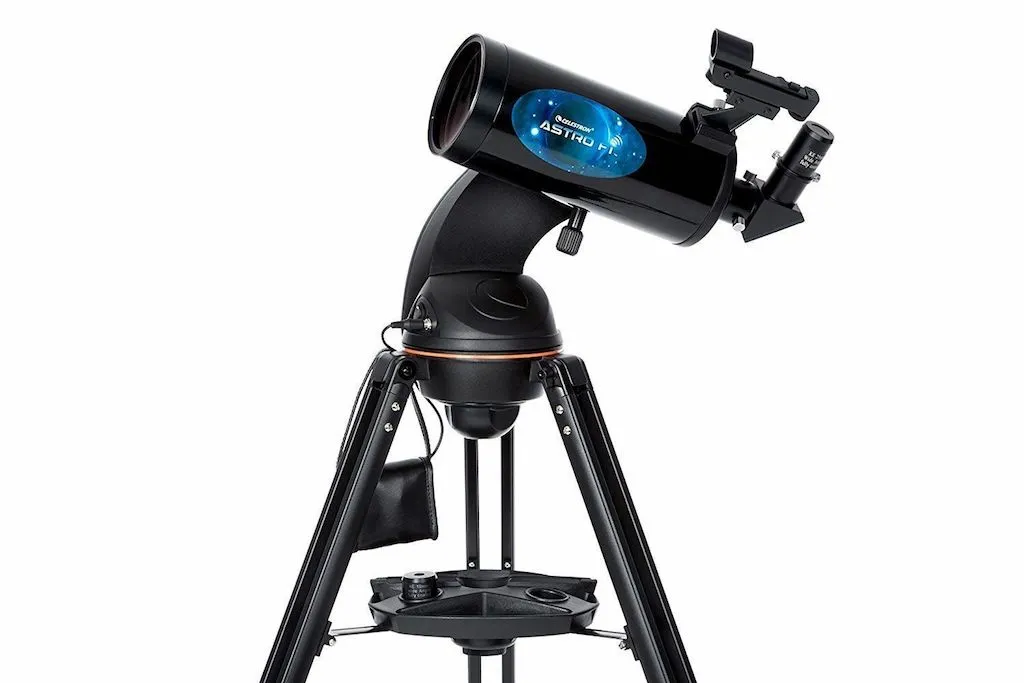
Looking for a telescope for the next stargazing event? We recommend the Celestron Astro Fi 102 as the top pick in our best beginner's telescope guide.
The August full moon, known as the Sturgeon Moon, will occur on Thursday (Aug. 11) at approximately 9:36 p.m. EDT and 6:36 p.m. PDT (Friday at 0136 GMT). It will occur when the moon is within 90% of its closest approach to Earth, making it a "supermoon" according to Fred Espanak, an eclipse expert and retired NASA astrophysicist.
We have already witnessed three supermoons this year, in May, June and July.
Surprisingly, supermoon streaks like the one we've seen this year are not particularly uncommon. Per Espanak's website, 2023 will also see four consecutive full supermoons, as will 2024. Even 2025 has three in a row.
If you're looking for a telescope or binoculars to observe the last supermoon of the year, our guides for the best binoculars deals and the best telescope deals now can help. But bear in mind that, during a full moon, the moon and sun are opposite each other and sunlight strikes the moon face-on. As such, it can be tricky to make out particular features on the lunar surface in detail due to the lack of shadows.
Editor's Note: If you snap a photo of the Sturgeon supermoon and would like to share it with Space.com's readers, send your photo(s), comments, and your name and location to spacephotos@space.com.
Follow us on Twitter @Spacedotcom and Facebook.