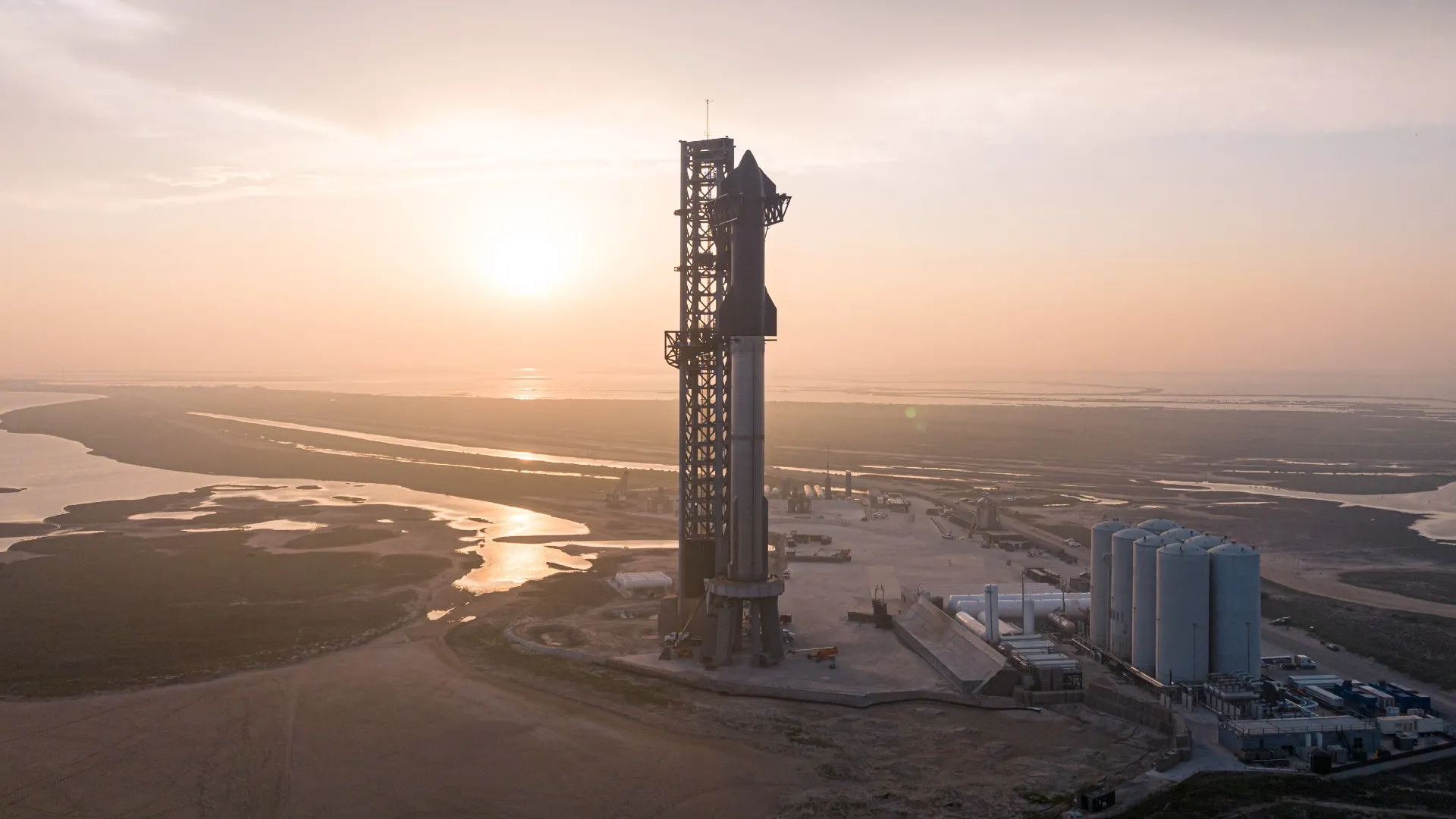
Starship launches could soon be an international affair.
SpaceX revealed on Tuesday (May 12) that it's hunting for additional launch sites for Starship, the giant rocket it's developing to help humanity settle the moon and Mars, among other tasks.
And some of those sites may be on foreign shores. "It's no secret that we intend to launch Starship a lot, targeting thousands of flights per year. That cadence will require the ability to launch from many different locations, so we are constantly exploring to find viable sites to expand Starship operations in the future, both domestically and internationally," the company wrote via X on Tuesday.
Those words addressed a May 4 post by X user S.E. Robinson, Jr., which discussed a rumor that SpaceX plans to acquire 212 square miles (550 square kilometers) of land in coastal Louisiana.
"At the southeast corner of the land near the Freshwater City boat launch is a plot ready to be converted for port operations and direct access to the Intercoastal Canal and the Gulf of America," Robinson wrote.
He also noted that the plot is about halfway between Boca Chica, Texas and Cape Canaveral, Florida. Boca Chica is home to Starbase, SpaceX's Starship manufacturing hub and the sole current launch site for the megarocket. (All 11 Starship test flights to date have lifted off from Starbase.)
And SpaceX is modifying three pads in the Cape Canaveral area — Pad 39A at NASA's Kennedy Space Center and Launch Complex 37-A and 37-B at Cape Canaveral Space Force Station — to accommodate Starship launches. The huge vehicle could lift off from the Sunshine State for the first time later this year, if all goes to plan.
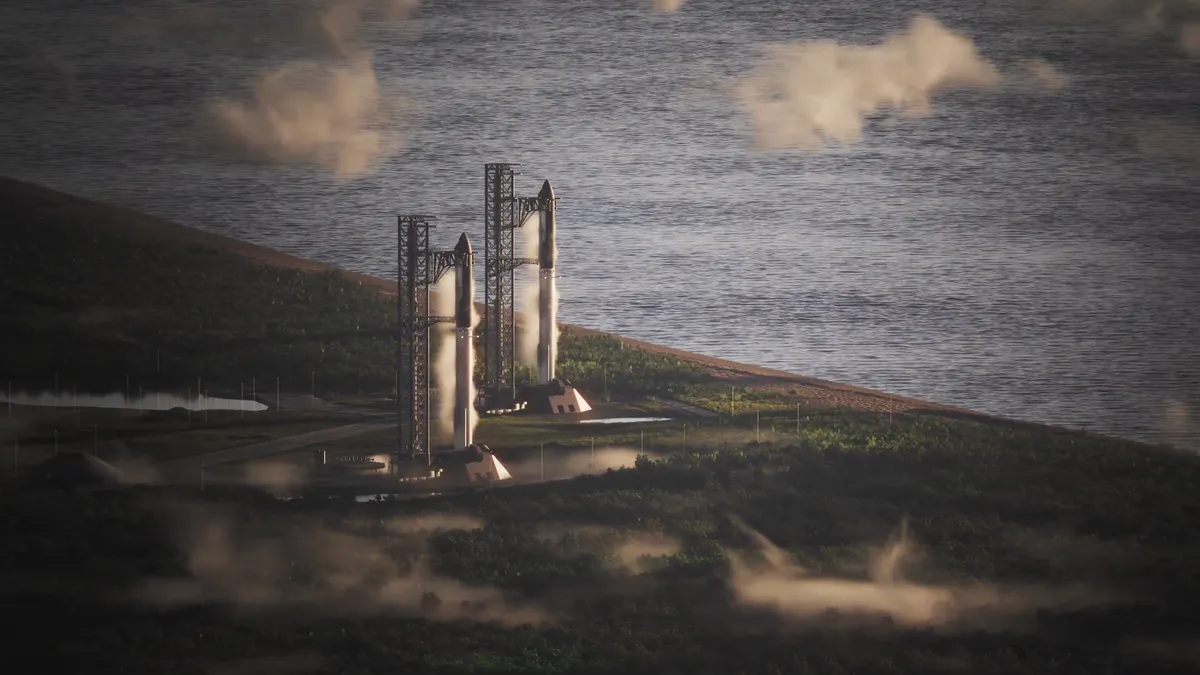
Starbase sports two launch mounts, the second of which will see its first action as soon as next Tuesday (May 19), when Starship Flight 12 is scheduled to lift off.
That suborbital test flight will also mark the debut of Starship Version 3, a bigger and more advanced iteration of the megarocket. Starship V3 is the first variant capable of flying to the moon and other deep-space destinations, SpaceX founder and CEO Elon Musk has said.
That makes five Starship launch pads that are officially in the works at the moment. But if the company is serious about launching thousands of Starship missions per year — and Musk has said that type of cadence will be necessary to build settlements on Mars — then more jumping-off points will be needed, as SpaceX's May 12 tweet makes clear.
And it's important to note: It would be much easier, from a logistical and legal standpoint, to develop additional launch sites domestically than overseas. The U.S. government regards rockets as sensitive national-security technology and therefore subjects launches to the International Traffic in Arms Regulations framework, known as ITAR.
American companies wishing to fly from foreign soil therefore have to jump through a number of bureaucratic hoops. The process is streamlined via the signing of a Technology Safeguards Agreement (TSA) at the nation-to-nation level. So maybe we should be on the lookout for SpaceX purchases in countries like Norway, New Zealand, Australia, the U.K. and Brazil, all of whom have inked TSAs with the U.S.
Indeed, American rockets already fly from New Zealand: The Land of the Long White Cloud hosts the primary launch site for California-based Rocket Lab, which operates Electron, the second-busiest launcher in the world (after SpaceX's Falcon 9).