





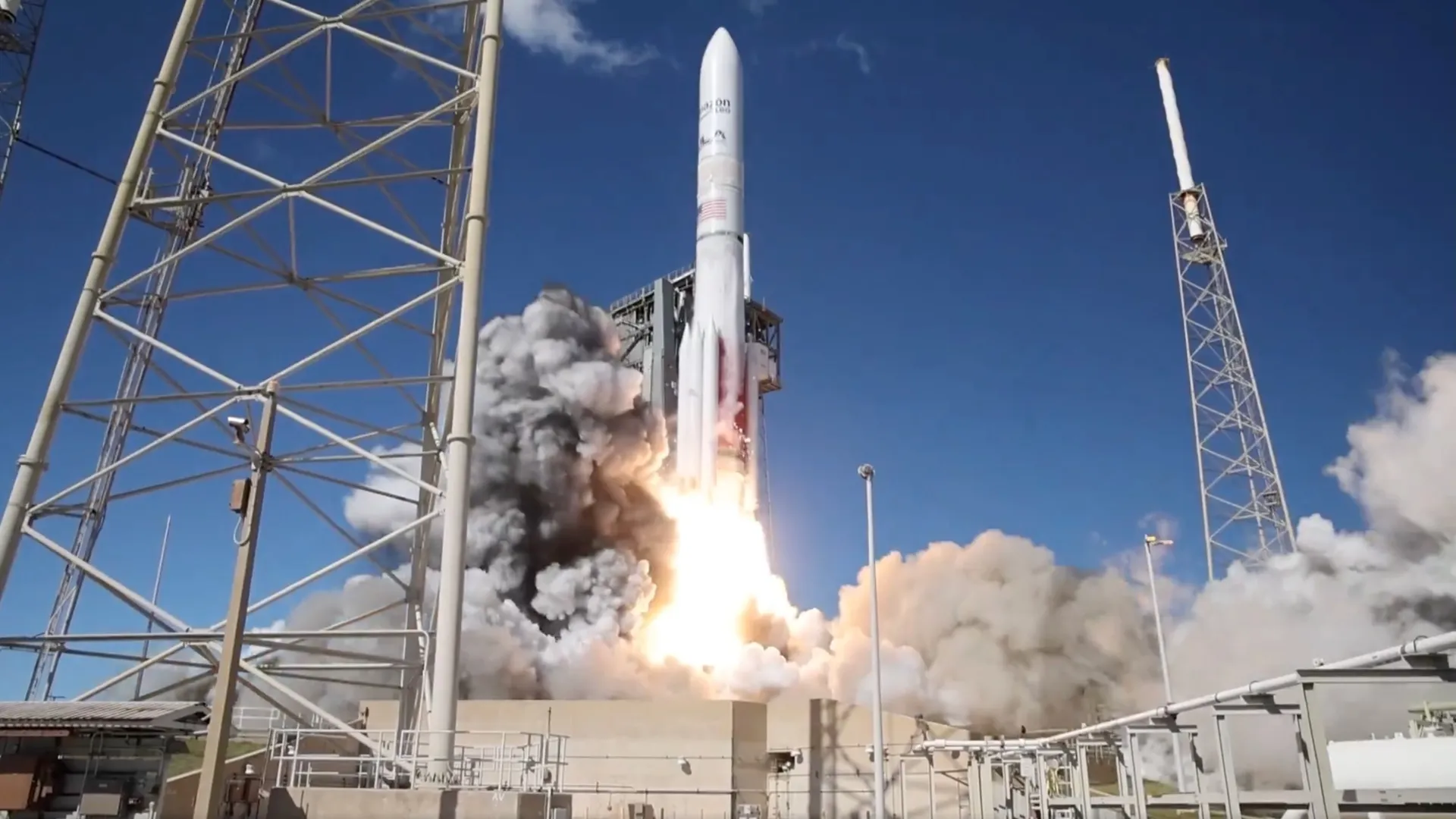
United Launch Alliance (ULA) is getting a handle on why its Vulcan Centaur rocket failed over the weekend.
That failure, which occurred during a launch from Florida's Space Coast on Sunday (Nov. 15), led to the loss of 40 Amazon Leo internet satellites. ULA soon traced the anomaly to Vulcan Centaur's first stage, and it has now pinpointed the problem area even further.
"While work remains to determine cause, preliminary indications are that the low booster thrust was the result of inadequate fuel supply from the vehicle to the BE-4 engines, not from the performance of the engines," ULA wrote in an update today (Nov. 18).
This is good news for Blue Origin, Jeff Bezos' aerospace company, which builds the BE-4. Two of these engines power Vulcan's first-stage booster, and they're also key to Blue Origin's New Glenn rocket: That heavy lifter features seven or nine BE-4s in its first stage, depending on the configuration. (New Glenn has its own issues at the moment; it exploded during a test on May 28, and Blue Origin is working to return the powerful rocket to flight.)
ULA had already said that Vulcan's six solid rocket boosters (SRBs) and its Centaur V upper stage — which employs a different engine, the RL-10 — seem to perform well on Sunday. Further analysis is firming up that conclusion, according to today's update.
Vulcan has had issues with its SRBs in the past. On the rocket's second and fourth flights — which launched in October 2024 and February of this year, respectively — an SRB nozzle burned through and fell off about 30 seconds into flight. On both occasions, Vulcan overcame the problem and successfully delivered its payload to orbit.
In the wake of the February flight, ULA and Northrop Grumman, which builds the SRBs, tweaked the nozzle design — a fix that apparently worked, based on Sunday's nominal performance.
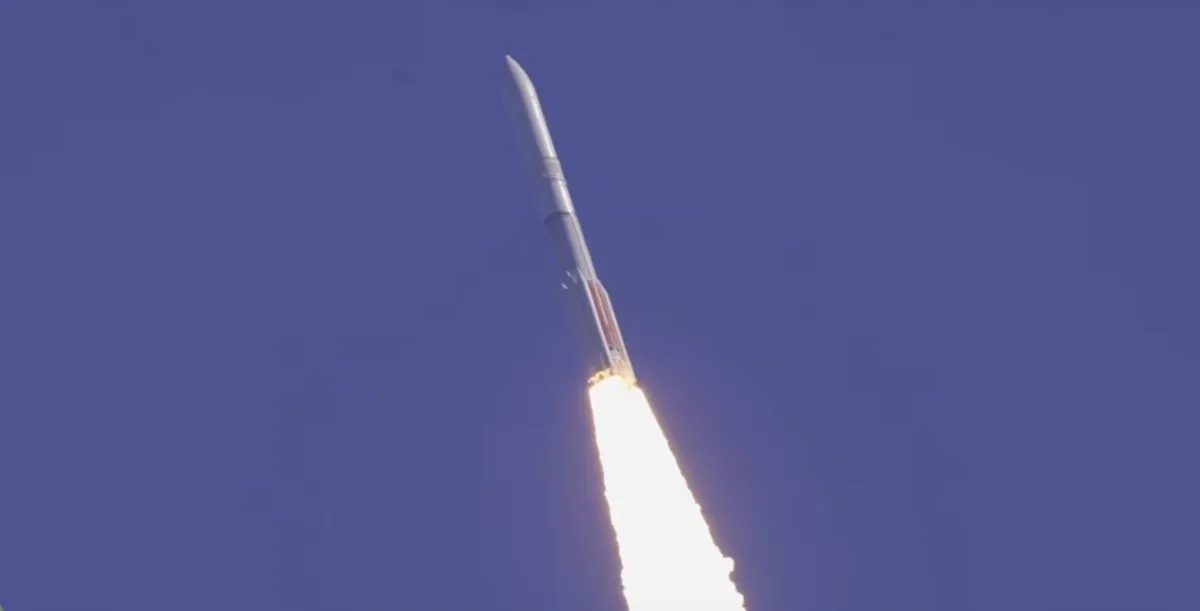
Sunday's launch was the fifth ever for the two-stage Vulcan Centaur, the successor to ULA's workhorse Atlas V rocket. Vulcan debuted in January 2024 and has now experienced issues on three of its five flights, though Sunday's was the only one that ended in failure.
Vulcan was out of action for about nine months after the February SRB issue. It's unclear how long its current grounding will last; that depends on what ULA's anomaly investigation, which the U.S. Federal Aviation Administration is overseeing, ends up finding.