




On Nov. 17, 1967, NASA's Surveyor 6 spacecraft made the first liftoff from the lunar surface.
Surveyor 6 was one of several robotic lunar missions NASA sent to scout the moon before sending humans there. It took television pictures of the surface and learned about the composition of lunar soil. Then came the big liftoff.
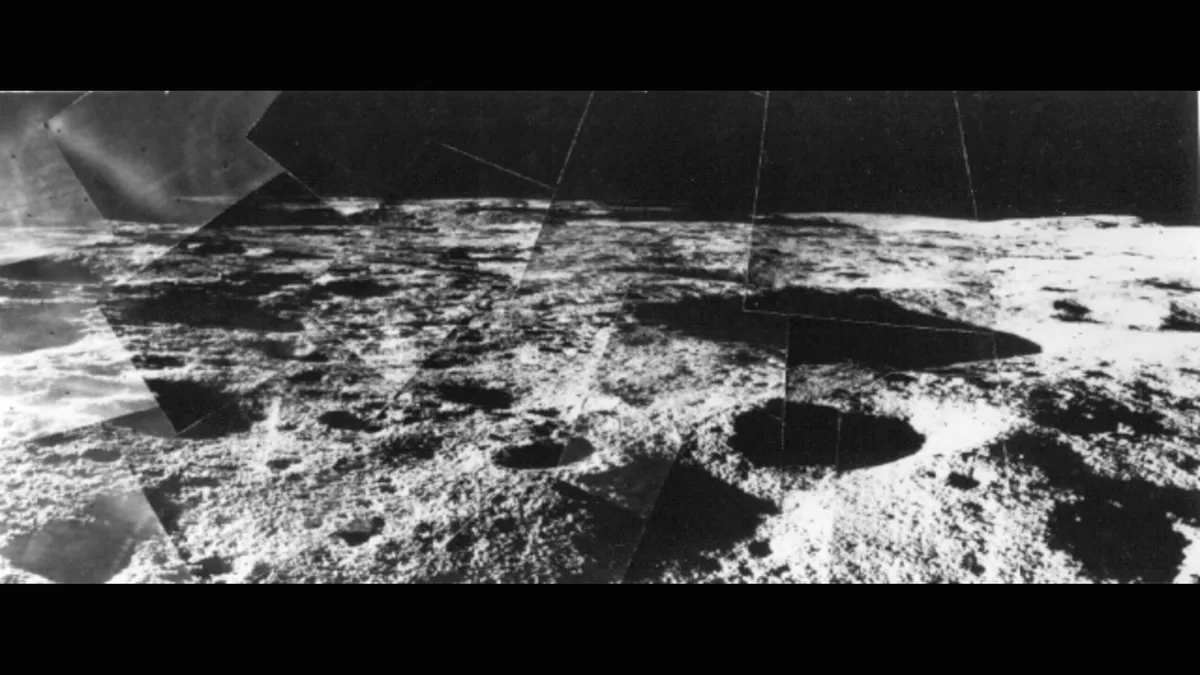
First Surveyor 6 launched from the surface and hopped to another position about 8 feet (2 meters) away. Next, Surveyor 6 took pictures of its original landing site. Flight controllers on Earth could see the landing pad prints of Surveyor 6. They also saw an imprint from the rocket exhaust when Surveyor 6 lifted off.
Surveyor 6 showed that spacecraft could land on the moon, and lift off again. Less than two years later, humans did the same thing during Apollo 11.
Why it mattered
NASA's Surveyor 6 spacecraft launched to the moon on Nov. 7, 1967 and made its first landing on the lunar surface on Nov. 10 of that year. It's primary mission was to make a soft landing on the moon in the Sinus Medii of the moon.
The probe took nearly 30,000 photos of the moon during its 16 days on the lunar surface, with the lander shutting down due to the onset of lunar night on Nov. 26. Surveyor 6 was the sixth and penultimate moon mission of NASA's Surveyor lunar program, so a lot of what it did (launching and landing on the moon) had been done before.
But a lunar liftoff? That was something new.
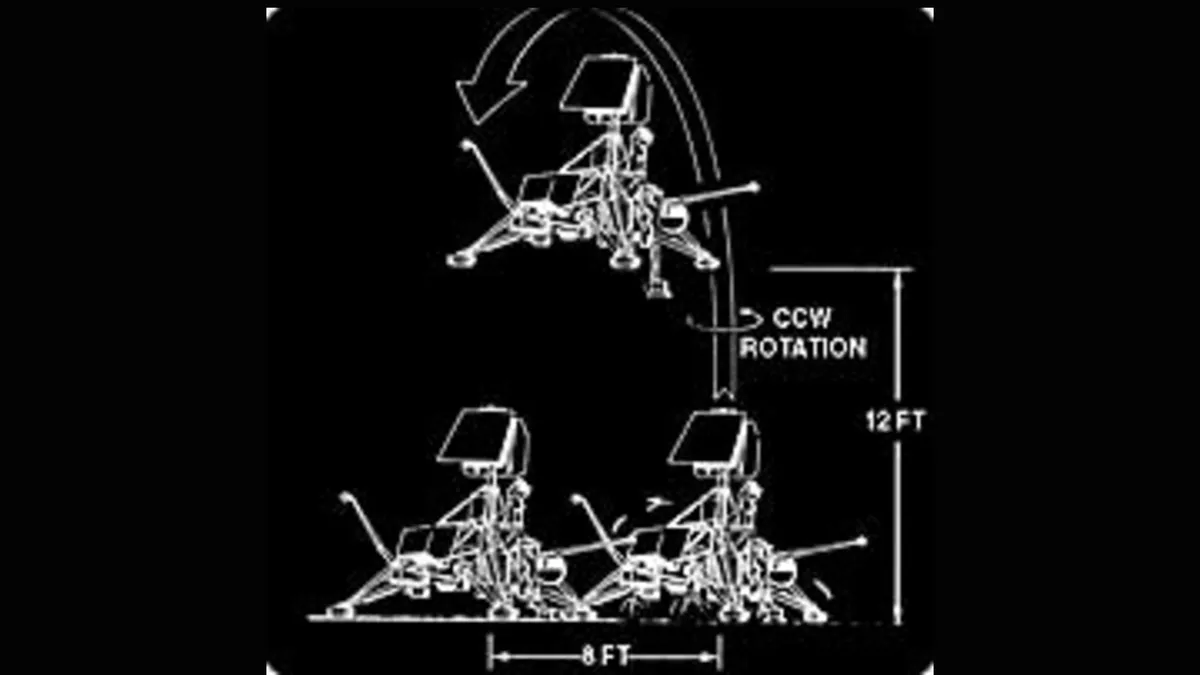
"On November 17, as an engineering test to see if its rockets could be restarted on the Moon, Surveyor’s engines fired for 2.5 seconds, lifting the spacecraft 12 feet high and moving it 8 feet west of its original landing site, in the first powered liftoff from another celestial body," NASA wrote in a mission overview.
The engineering test proved that a spacecraft could land on the moon, and then lift off and take flight once more. That capability was a core requirement for NASA's Apollo astronaut moon landings that followed, since astronauts needed a way to return home after visiting the moon.
But there was critical science Surveyor 6 was able to do with the lunar hop.
"This maneuver provided excellent views of the surface disturbances produced by the initial landing and the effects of firing rocket engines close to the lunar surface," scientists with the Lunar and Planetary Institute wrote in a summary. "Photography obtained after the hop contributed to the soil mechanics investigation."
Surveyor 6 also had a bar magnet on its footpad that allowed scientists to test how magnetic the lunar regolith was at the landing site.
Want more space history? Check out our full On This Day In Space Story archive and watch our On This Day In Space videos on YouTube.