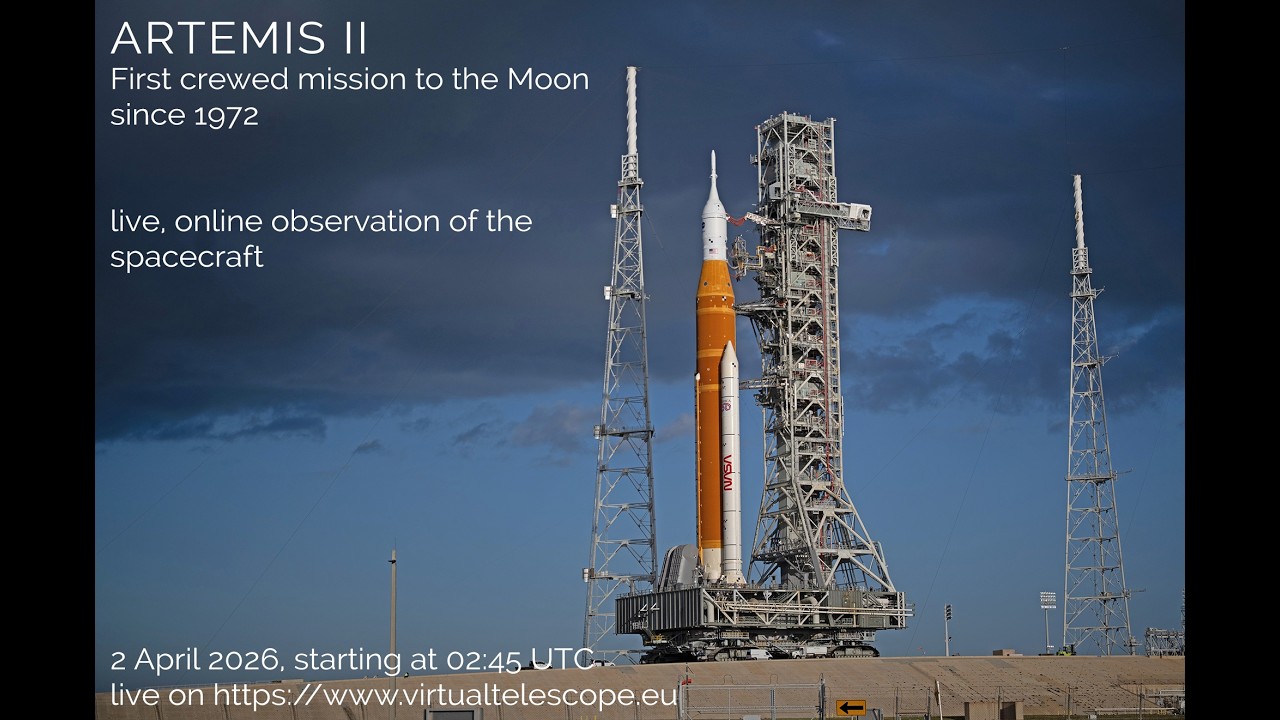
Editor's Note 4/9/26: The Artemis 2 astronauts successfully launched to the moon on April 1 and flew closely by it on Monday (April 6). Though this livestream has concluded, you can tune into this one on Thursday (April 9) to watch the crew race toward Earth for splashdown, which will occur on Friday (April 10).
NASA successfully launched Artemis 2 on April 1, at 6:35 EDT (1035 GMT) and you can catch a view of the spacecraft tonight, weather permitting! The livestream had originally been scheduled for April 1, but clouds thwarted the view.
As the Orion spacecraft heads into space on its journey around the moon, astronomers plan to track it from Earth and you can watch along live thanks to the Virtual Telescope Project's livestream.
According to Gianluca Masi, founder and head of the Virtual Telescope Project, the organization will attempt to view Orion when it is visible over Italy. The livestream is currently scheduled to begin tonight at 10:45 p.m. EDT (0245 GMT).
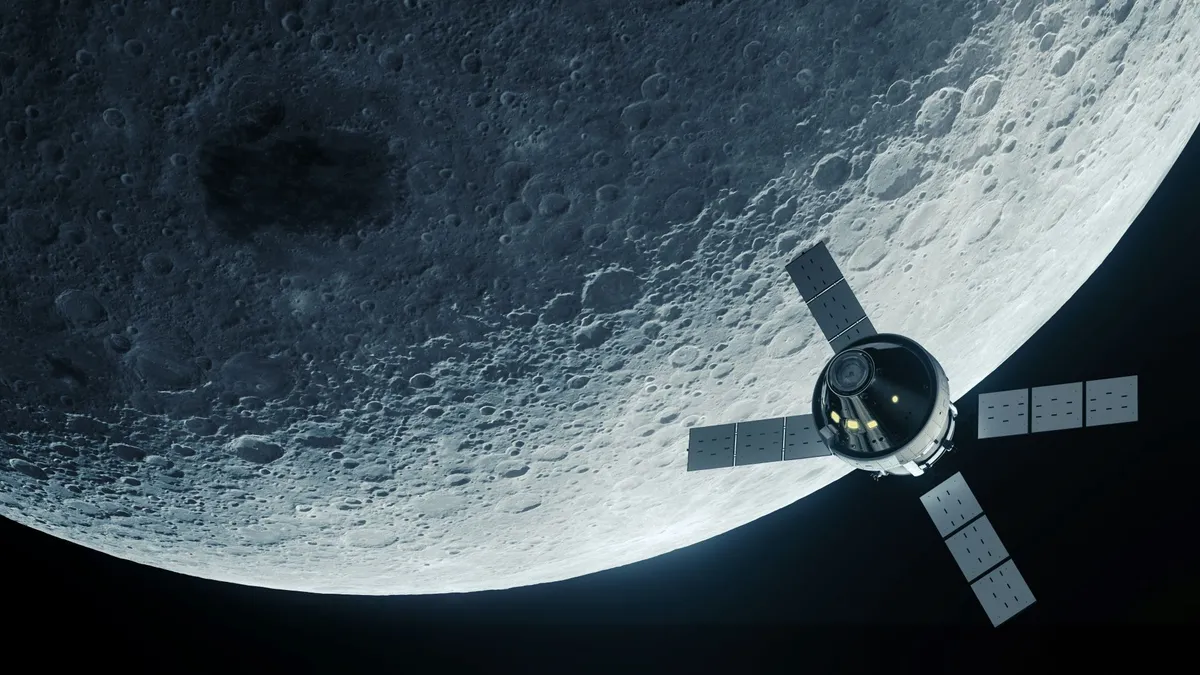
Artemis 2 will return humans to around the moon for the first time since Apollo 17 in 1972. You can follow along with the latest action in our Artemis 2 live blog.
Though the crew of Artemis 2 won't actually set foot on the moon during this mission, they will make history by voyaging deeper into space than any human has before.
The Artemis 2 mission is expected to last around 10 days, during which the Orion spacecraft will carry the crew thousands of miles beyond the moon.
Editor's note: This article was updated at 6:15 a.m. EDT (1015 GMT) April 2, to include details of the successful launch and to note the rescheduled livestream due to clouds thwarting the view last night.