Astronomical autumn arrives today, Sept. 22! Here's what to look out for as summer slips from the Northern Hemisphere, heralding shorter days and darker nights perfect for stargazing.
Earth experiences two equinoxes each year — the first in March and the second in September — when the sun crosses the celestial equator, an imaginary line in the sky directly above Earth's equator.
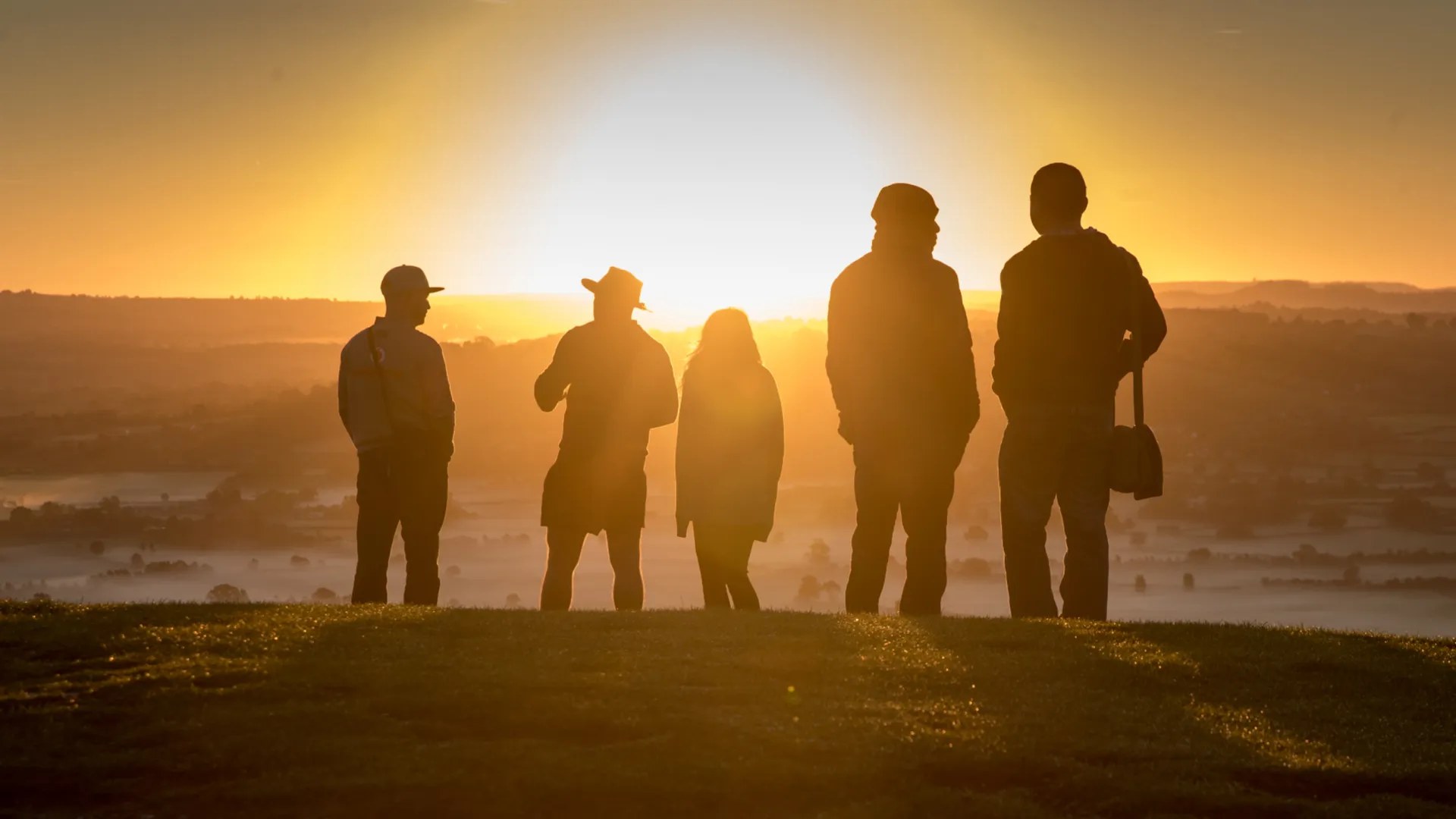
The September equinox occurs at 8:05 p.m. EDT on Sept. 22 (0005 GMT on Sept. 23), as the sun passes north to south over Earth's celestial equator, marking the official start of astronomical autumn in the Northern Hemisphere, according to Time and Date.
Simultaneously, the September equinox marks the start of astronomical spring in the Southern Hemisphere, bringing shorter nights and increasingly longer days!

The Celestron NexStar 4SE is ideal for beginners wanting quality, reliable and quick views of the night sky. It's sturdily built, quick to set up and automatically locates night sky targets and provides crisp, clear views of them. For a more in-depth look at our Celestron NexStar 4SE review
Equinox literally means "equal night" in Latin, because it was thought that much of the world experienced 12 hours of day and 12 hours of night on the day of the solar milestone. In reality, most locations experience slightly more than 12 hours of daylight on the equinox, thanks to atmospheric refraction and the way sunrise and sunset times are defined.
The spring and autumn equinoxes can also offer statistically more favorable conditions for northern lights displays, thanks in part to the changing geometry between Earth's magnetic field and the interplanetary magnetic field carried by the solar wind.
It's a phenomenon known as the Russell-McPherron effect, though any potential auroral display that takes place around the September 2026 equinox will have to compete with the flood of moonlight cast by the waxing gibbous moon.
Want to make sure you're ready to explore the darker nights? Check out our roundups of the best telescopes and binoculars for stargazing and to check out our picks of the top cameras and lenses for capturing the night sky if you want to upgrade your photography setup!
Editor's Note: If you would like to share your night sky photography with Space.com's readers, then please send your image(s), comments, name and location to spacephotos@space.com.