




Halloween is almost upon us! To celebrate we've pulled together a series of short "skywatching horror stories" perfect for getting you in the mood for the spooky season.
Granted, stargazing may not be the most hazardous of past times. But you'd be surprised how often things can go wrong. The best laid plans can be shattered by the unforeseen, unexpected phenomena can leave you scared witless, or mother nature itself can step in to remind us how little control we have over the environment around us.
Many of the stories serve as a cautionary tale, while others are simply..unfortunate. Be sure to share your stories of skywatching "horror stories" in the comments below for a chance to feature in next year's Halloween coverage!
An unexplained light show over France
And how better to kick off our Halloween skywatching tales than with a retelling of the strange event that terrified my entire family during a trip to France, two decades ago.
We had rented a house in the Charente, with few neighbors and no city lights. It was a stargazer's paradise, so each night we would sit outside as dusk's light faded to twilight.
One night, we stood transfixed as an electrical storm conjured sheet lightning in the distance, when without warning a shining ball of light burst into being on the near horizon. We watched, unsettled as the yellow-red light gently descended behind a row of oaks before passing over the nearby field.
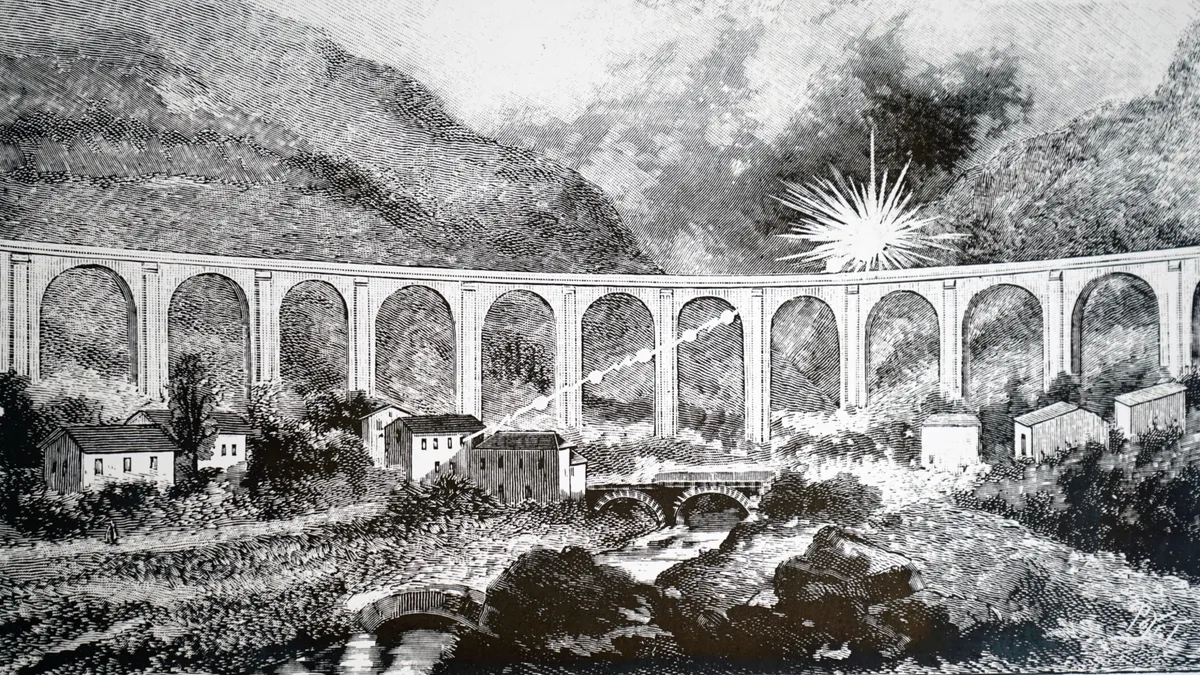
My mom fled inside, convinced that we'd seen a UFO, while my dad and brothers stood and watched as the light silently flitted between the trees before disappearing from sight around five minutes after it had appeared.
We were alone in the darkness, trying to make sense of what we'd seen when a rustle in the bushes had us borderline sprinting inside, all pretences of bravery gone and images of alien greys in our heads.
It was almost certainly a boar.
Our best guess is that we saw some kind of rare electrical phenomenon that night, like ball lightning, which has been reported over 10,000 times throughout recorded history but is still very poorly understood.
My mom maintains that we narrowly avoided being abducted.
Total(ity) disaster
Our next entry comes from Space.com's Skywatching Editor Daisy Dobrijevic, who traveled all the way from the U.K. to the U.S. in the hope of seeing her first total solar eclipse, only to have totality ruined by a series of extremely unfortunate events!
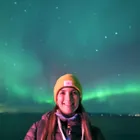
Daisy is an avid eclipse chaser with a deep appreciation for lunar eclipses. One of her most memorable was the total lunar eclipse of Sept. 7, 2025, which she watched from Barcelona.
"My first-ever total solar eclipse experience in Rochester, New York, on April 8, 2024, was memorable for all the wrong reasons, Dobrijovic explained. "I was attending the Rochester Museum & Science Center's ROC the Eclipse Festival, where thick clouds had completely obscured the sun. But even without seeing the eclipse itself, totality was extraordinary.
An ominous darkness raced across the sky, while rusty-red hues illuminated the clouds, creating an almost apocalyptic scene. The clouds looked as though they'd been lifted straight from a Renaissance painting. The atmosphere was electric as thousands of excited spectators watched daylight disappear. We couldn't see the eclipse, but we could certainly feel it.
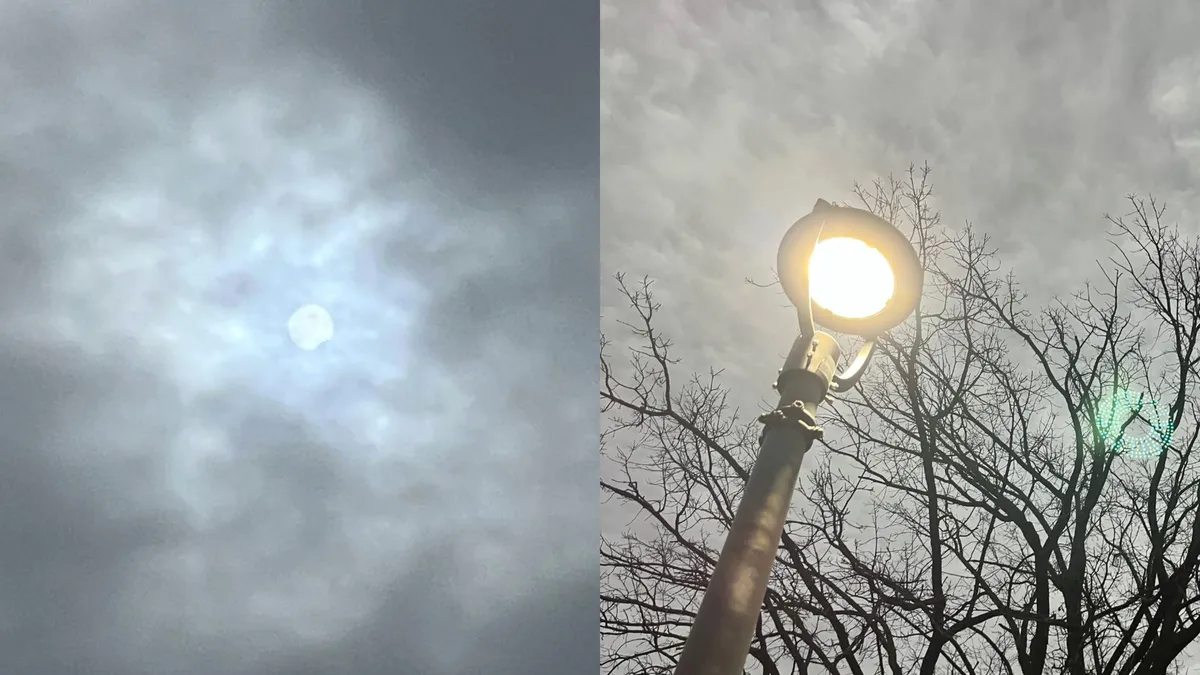
Then, about 30 seconds into totality, disaster struck. We were standing in the museum's car park when the security floodlights suddenly flickered on, automatically triggered by the darkness. The harsh artificial lighting completely shattered the otherworldly atmosphere, robbing us of our chance to experience totality's eerie darkness.
Thousands of spectators erupted into boos, shouting, 'Turn off the lights!' After traveling thousands of miles for my first total solar eclipse, I'd been thwarted first by clouds, then by a car park's security lights. Talk about adding insult to injury!"
The winds of misfortune
Astrophotographer Dan Bartlett experienced a very different skywatching horror story after preparing his telescopes for a night of astrophotography at his home in the Eastern Sierra Mountains.
Nature had other plans. A security camera captured the sickening moment that an unexpected and sustained deluge of 77-mile-per-hour winds toppled Bartlett's Celestron Rowe-AckermannAstrograph 11-inch and 8-inch telescopes, mounts, accessories and all.
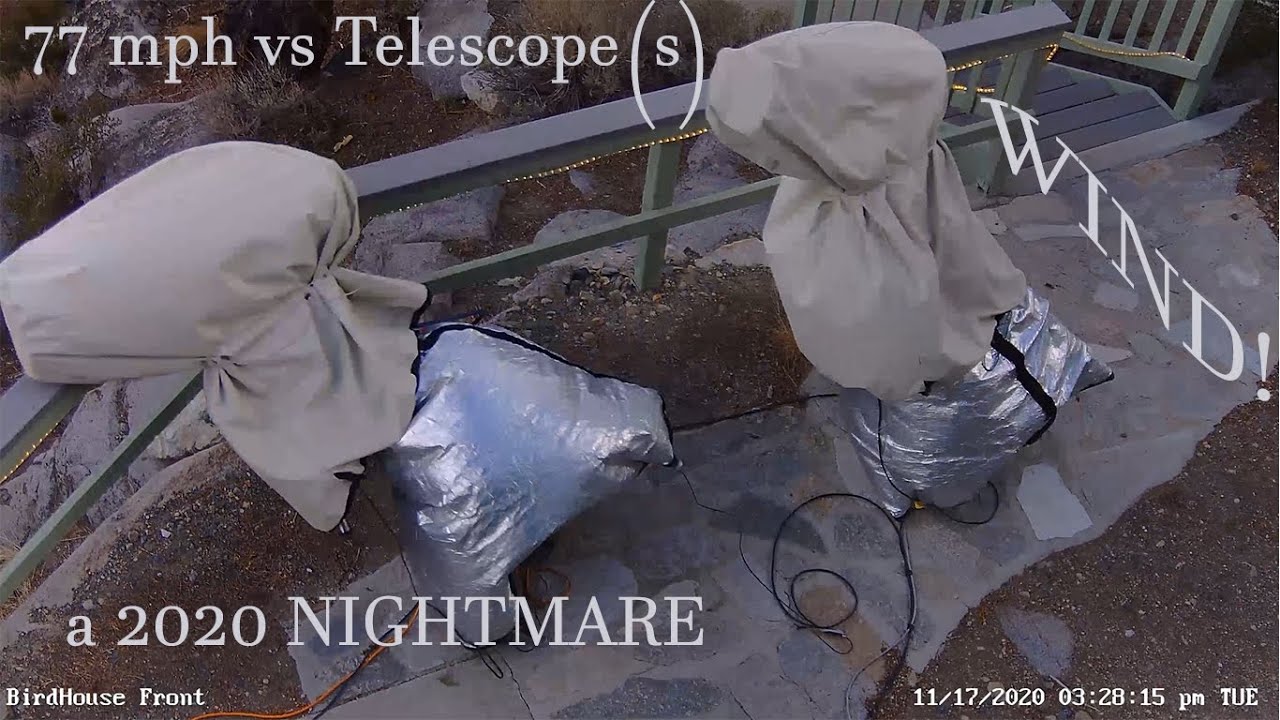
"A telescope owner's worst nightmare…Equal to dropping a prized eyepiece or telescope on a cement/concrete ground," Bartlett remonstrated with Space.com.
"When you first see the two scopes lying side by side, no longer upright, your reaction is to stand there and stare. Quick action of prevention is well past its timeliness. Eventually you start to pick things up and assess the damage."
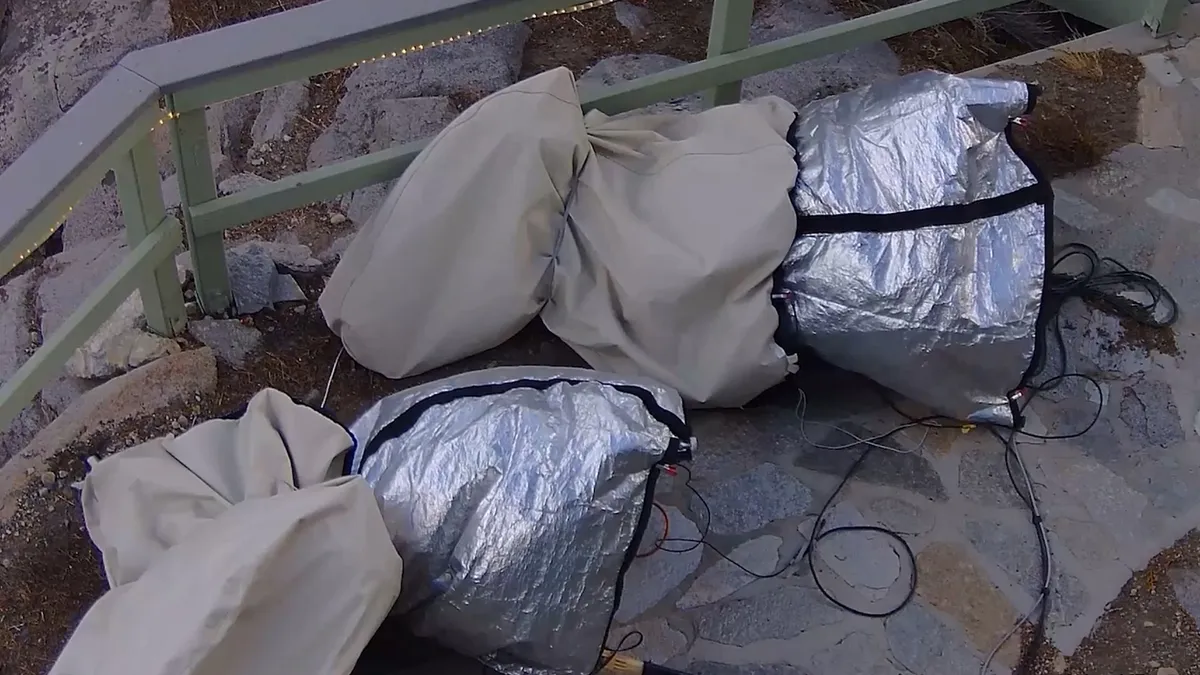
"One might [put] me at fault for not taking down the scopes prior, and rightly so, however the scopes have survived sustained winds of 60+ mph winds over and over before," continued Bartlett. "You develop a level of complacency and no weather forecast in the days of the event predicted winds as high as was recorded.
Damage done? Severe. At least the dented tube of the RASA 11 has continued to win NASA APOD after APOD since the event. Oh, I now use sandbags on a heavier mount."
Bartlett continues to capture spectacular images of the night sky to this day.
An uncomfortably close look at Leo
High winds may be a potent adversary for the humble stargazer, but you know what else can complicate things? Literal mountain Lions, which is what American Meteor Society shooting star expert Robert Lunsford came face to face with on a stargazing outing to the western slope of Mt. Laguna, California.
"I was viewing alone in the local mountains many years ago," Lunsford recounted to Space.com. "Back then I often heard what I thought were juvenile mountain lions screeching in the dark. They were never too close until one night I shone my flashlight upon a full-grown cat about fifty yards away."
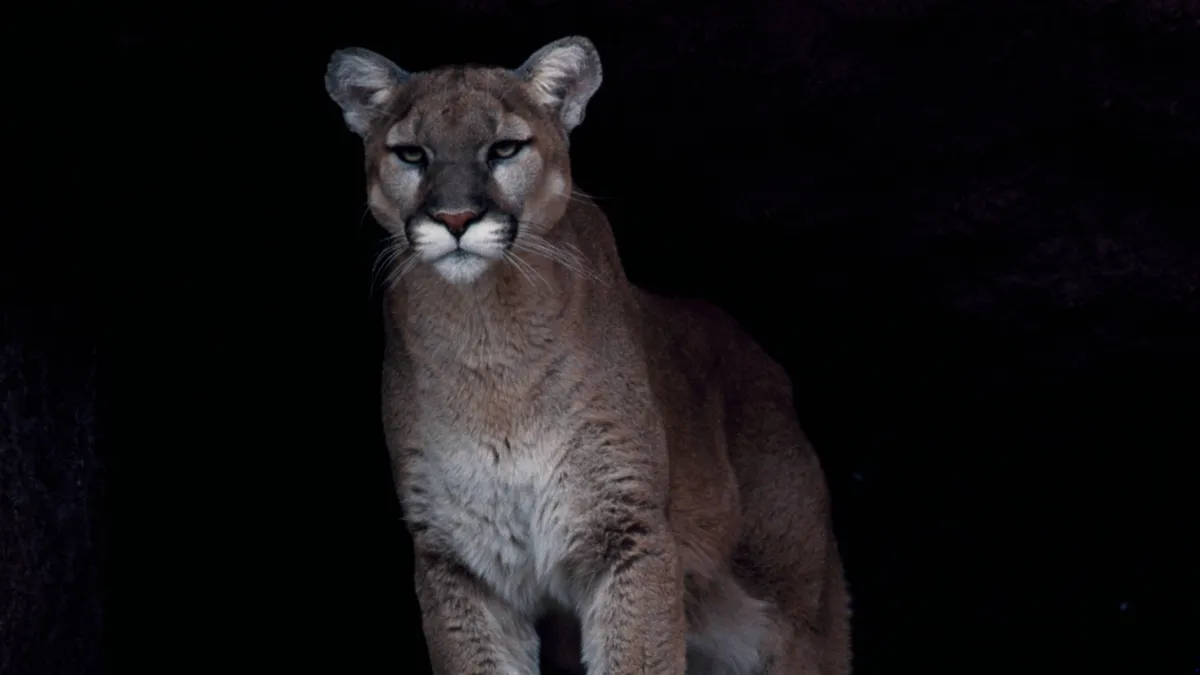
"The adrenalin was flowing big time as I kept that light on it. Luckily, it decided it wanted no part of me and headed back down the hill. Ever since then when viewing alone I sit in the bed of my truck to offer a little more sense of security."
Lunsford's cautionary tale serves as a potent reminder that you should always tell a friend or family member when you head somewhere remote for a spot of stargazing. And that you should probably do a little research on the local flora and fauna before making the trip!
Eyes on the stars foot in the ants
Royal Observatory Greenwich astronomer Gideon Bendavid-Walker had a run in with nature at a very different scale while leading a stargazing tour through the Arkaroola Wilderness Sanctuary in the South Australian outback, under some of the darkest skies on Earth.
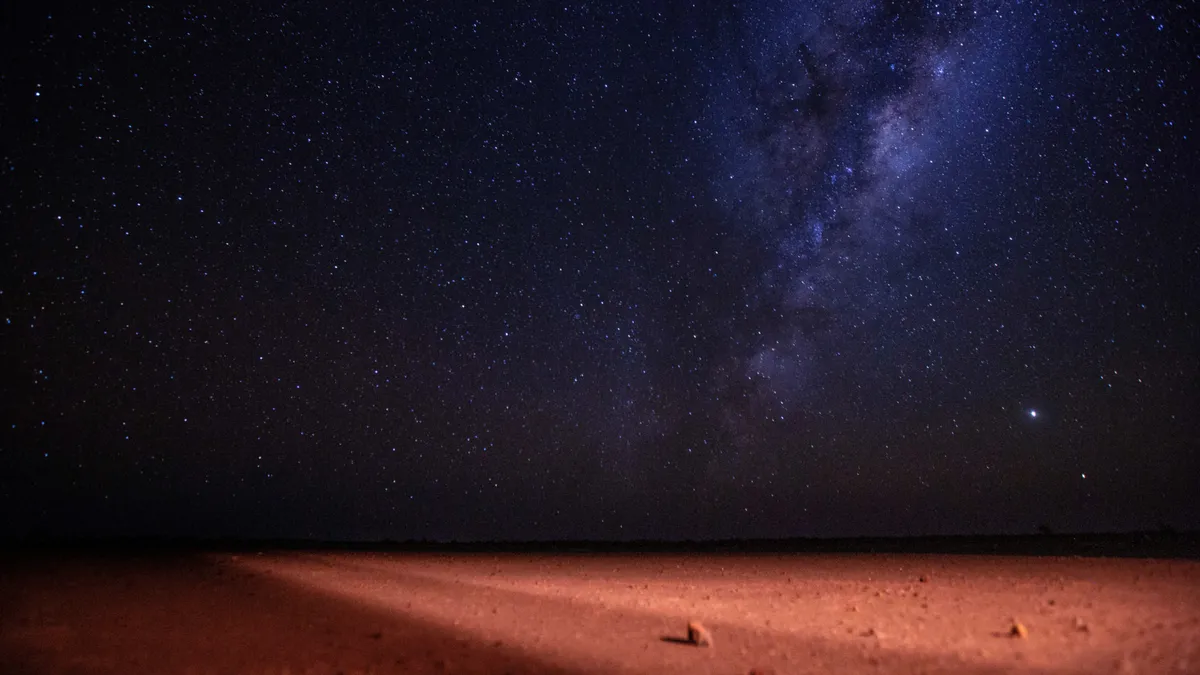
"I was running a tour from the sparsely used 1980's Dodwell Observatory as our main telescope was out for maintenance," Bendavid-Walker shared with Space.com. "It was going beautifully. I was out in the dark with my laser pointer, guiding a rapt group around the southern sky, when I felt a nip at my ankle. Then another.
Then rather a lot…
I quickly discovered that I was standing on a meat ant nest. By day they're easy to spot: a little circle of gravelly sand with a hole in the middle. At night, they're invisible, and meat ants do not take kindly to their nests being stood on."
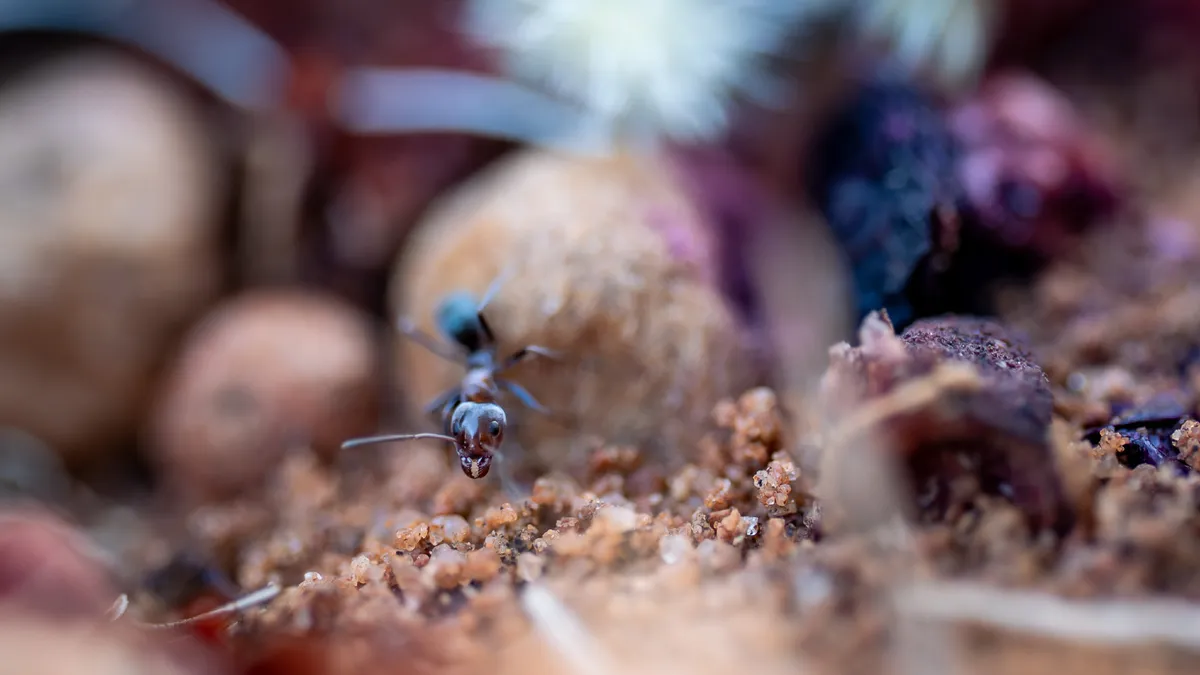
For those of us unfamiliar with the Australian Outback, meat ants are known for being aggressive towards any they deem an intruder, have a nasty bite and are named for their habit of stripping the flesh from dead animals.
"Mid-constellation, I abandoned the cosmos and began hopping, slapping and yelling into the night. My startled guests rallied heroically, flooding the scene with torchlight (a cardinal sin for dark-adapted eyes, but quickly forgiven) and helping me evict the invaders.
The tour continued peacefully.
My dignity stayed behind with the ants."
The moral of the story — try to look down before looking up, it may save your ankles.
A relative disaster
There's a long and storied tradition of nature having its fun with astronomers, as proven by Arthur S. Eddington's complication-filled trip to West Africa, as told by Louise Devoy, Senior Curator at Royal Observatory Greenwich.
"What a nightmare....Cambridge astronomer Arthur S. Eddington watched anxiously as the skies over Principe, West Africa, clouded over with thunderous storms," Devon explained to Space.com. "As a Quaker Christian, he'd narrowly avoided jail for avoiding military service during the First World War, thanks to the intervention of Frank Dyson, the Astronomer Royal at Greenwich.
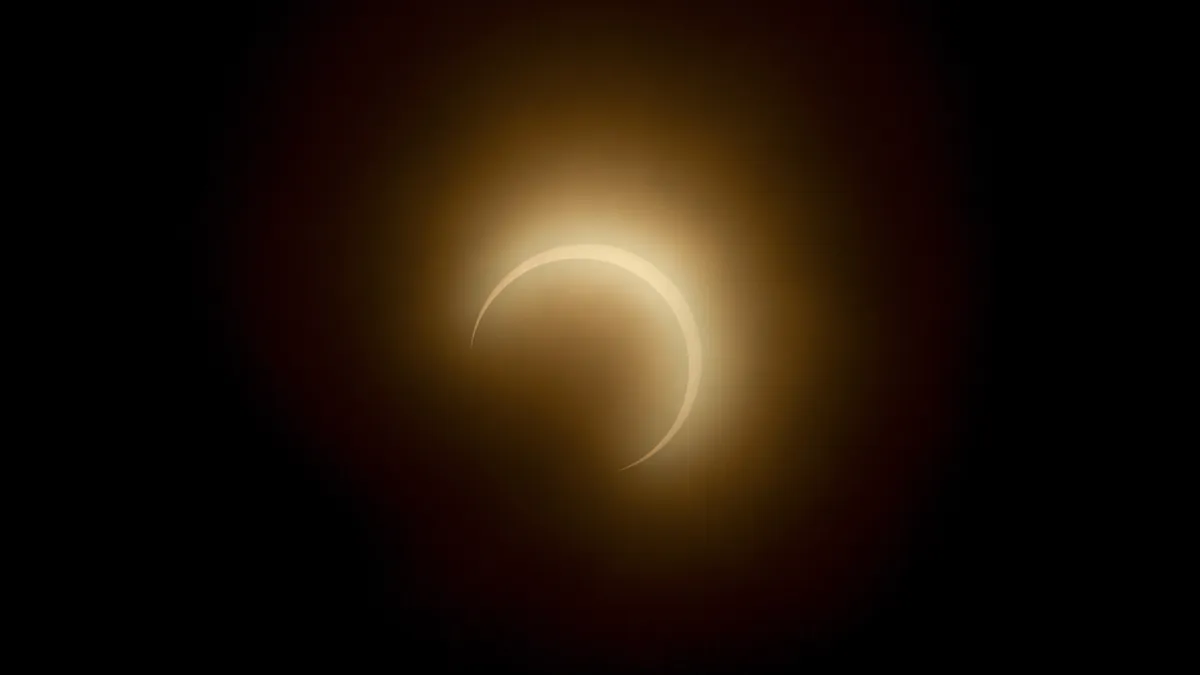
Dyson knew that Eddington was the best person to use the imminent total solar eclipse as a test of Einstein's 1915 theory of general relativity. Eddington and his colleague Edwin T. Cottingham had travelled thousands of miles to secure the best view but their plans were thwarted by every eclipse chaser's nightmare: thunderstorms, pesky mosquitoes and mischievous monkeys from the surrounding jungle who enjoyed tampering with the instruments.
Eddington and his colleague Cottingham only managed to secure one decent photograph through thin cloud. Thankfully, their Greenwich colleagues Charles Davidson and Andrew Crommelin at Sobral, northern Brazil, had better luck and their photographs confirmed Einstein's prediction."
A fall on Gold Hill
Our final tale of stargazing misfortune comes from award-winning landscape astrophotographer Josh Dury, who found himself in a race against time to stage a recreation of a famous scene from television history, with a Milky Way twist.
"One that comes to mind was the image I captured, titled: "Boy on Bike". The purpose of the image was to re-enact the classic scene from Ridley Scott's 1973 Hovis Advert through the lens of Astrophotography. I was hoping an assistant could model with the bike but plans collapsed, so I decided to do it myself.
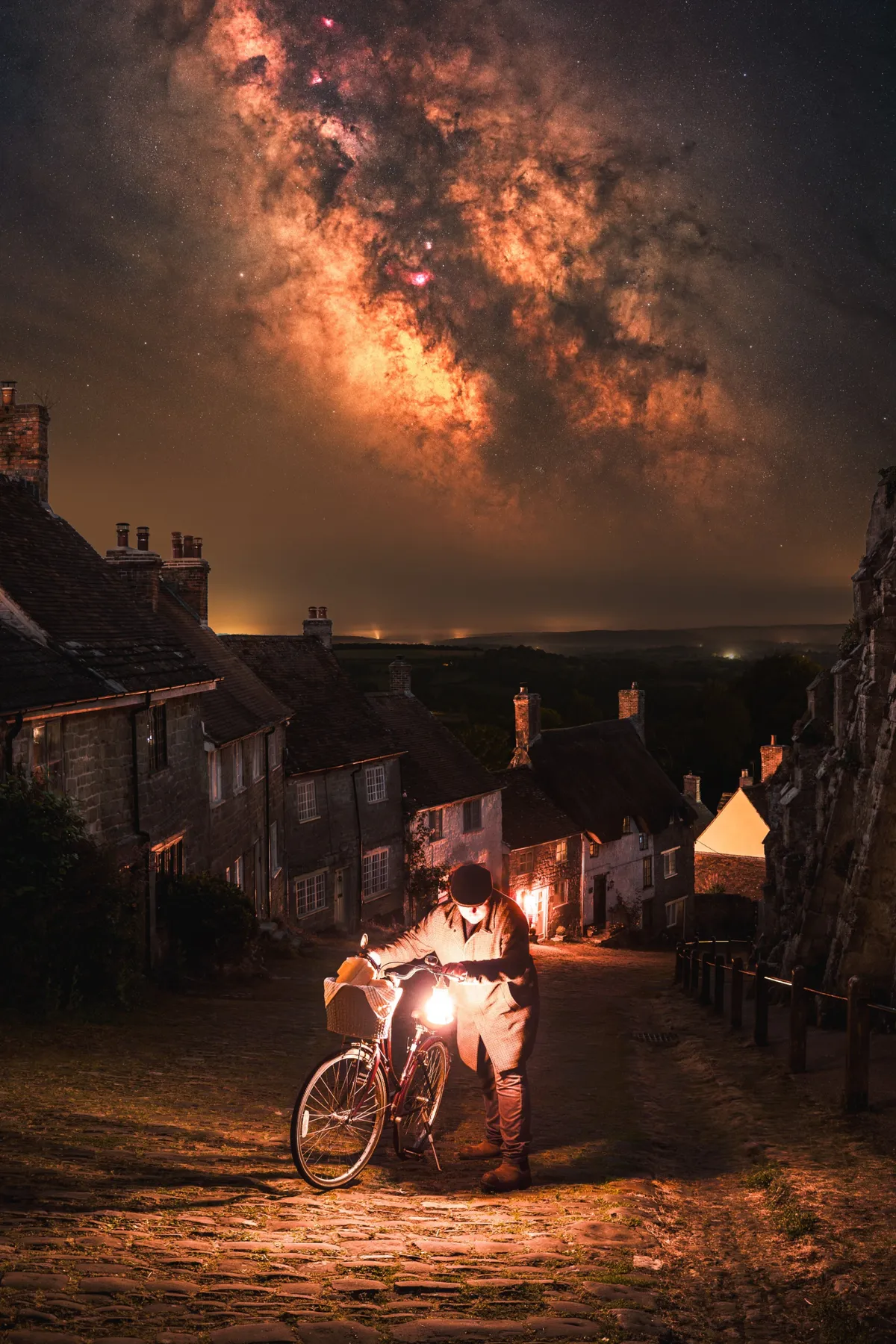
Earlier that day, I had collected the bike from a local seller and purchased bread to resemble Hovis loaves. Driving to location in a 4x4 — bike in trailer, I dressed in outfit and progressed to Gold Hill.
Arriving before 2 a.m., there were bright LED lights still on. I had to wait until every single one turned off but one. I had to somehow get the bike into position on the steep hill, obtain focus and prepare the other elements — including a lamp and arranging the bread basket.
With the Milky Way moving into place, I really did not have much time. Setting up a star tracker and a prop set at the same time was a significant challenge.
Then, the epic finale. The weight of the lamp outbalanced the bike and collapsed with the most almighty thud (wheels still spinning). I could see lights in the street turning on!! I was mortified."
If these horror stories haven't totally put you off and you're interested in starting out on your own stargazing journey then be sure to read our expert tips for newcomers to the night sky, along with our picks of the best telescopes and binoculars for exploring the post-sunset realm.
Editor's Note: If you would like to share your astrophotography with Space.com's readers, then please send your photo(s), comments, and your name and location to spacephotos@space.com.