





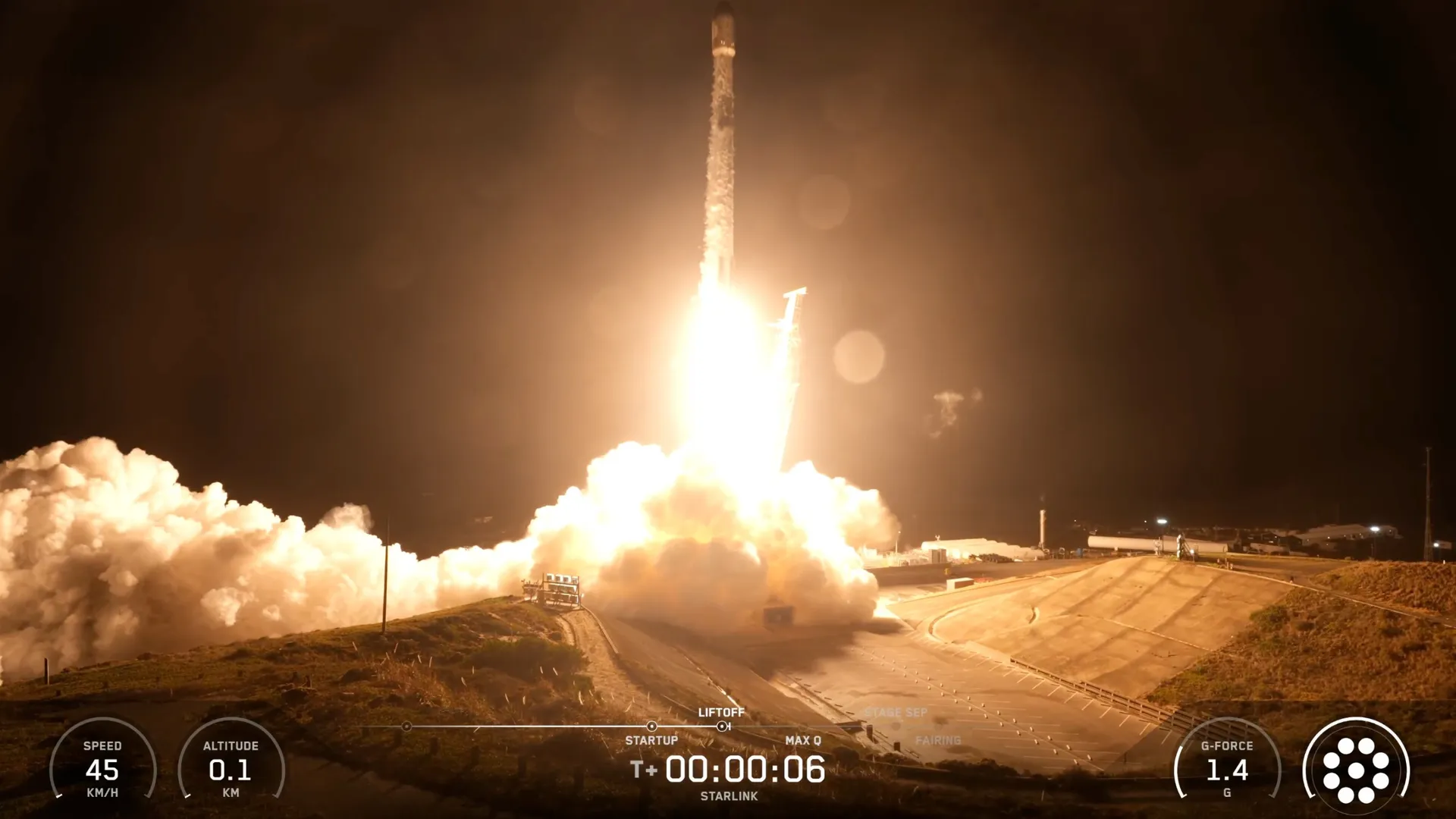
SpaceX celebrated Halloween with an early-morning launch from California.
A Falcon 9 rocket lifted off from Vandenberg Space Force Base today (Oct. 31) at 12:04 a.m. EDT (0404 GMT; 9:04 p.m. on Oct. 30 local time), sending 27 of the company's Starlink internet satellites to low Earth orbit (LEO).
The Falcon 9's first stage came back to Earth as planned, touching down about 8.5 minutes after launch on the SpaceX drone ship "Of Course I Still Love You," which was stationed in the Pacific Ocean.
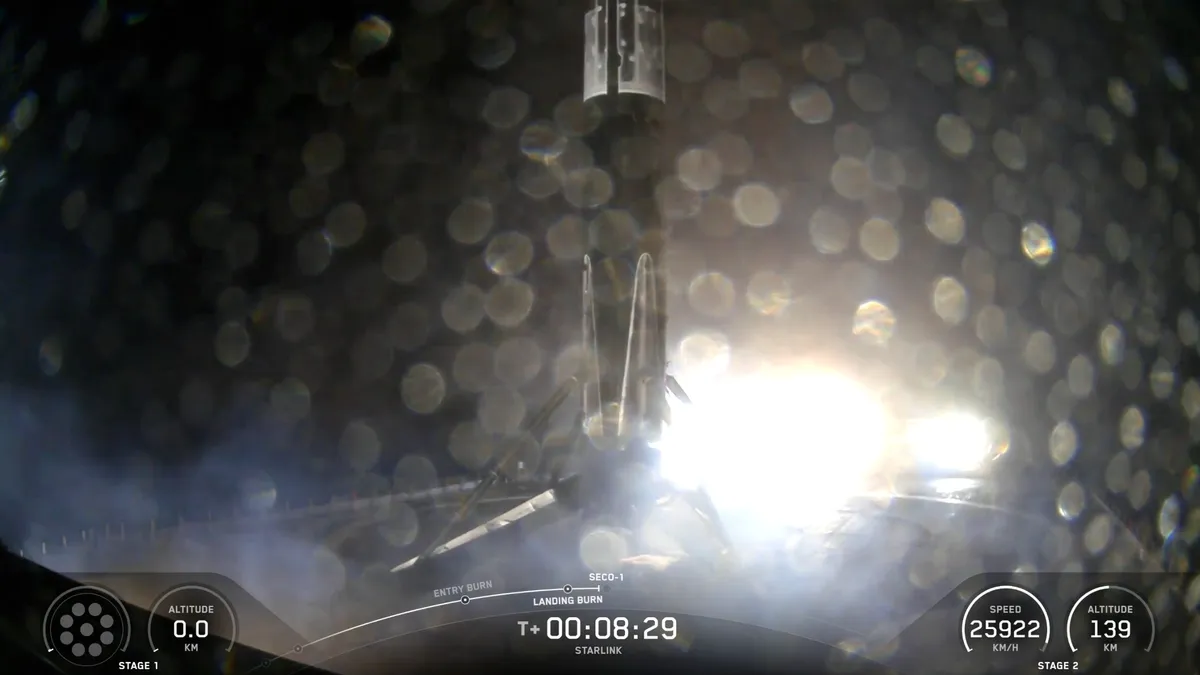
It was the 18th flight for this particular booster, which is designated B1093. The record for a SpaceX first stage is 37, set this past August by the booster B1067.
The Falcon 9's upper stage did its job as well today, deploying the 27 Starlink satellites into LEO about 62 minutes after launch. They're joining more than 11,000 spacecraft in the Starlink megaconstellation, which is by far the largest satellite network ever assembled.
SDA-T1TL-B | SDA-T1TL-C | Transporter-16 | 14 Starlink missions
Today's launch was the 118th Falcon 9 flight of 2026 so far. More than 70% of these missions have been devoted to building out the Starlink network.
SpaceX has also launched its Falcon Heavy and Starship rockets three times apiece this year. Falcon Heavy is an operational vehicle, but Starship remains in the test-flight phase. The company is currently gearing up for another Starship launch, which is expected to take place sometime in November.