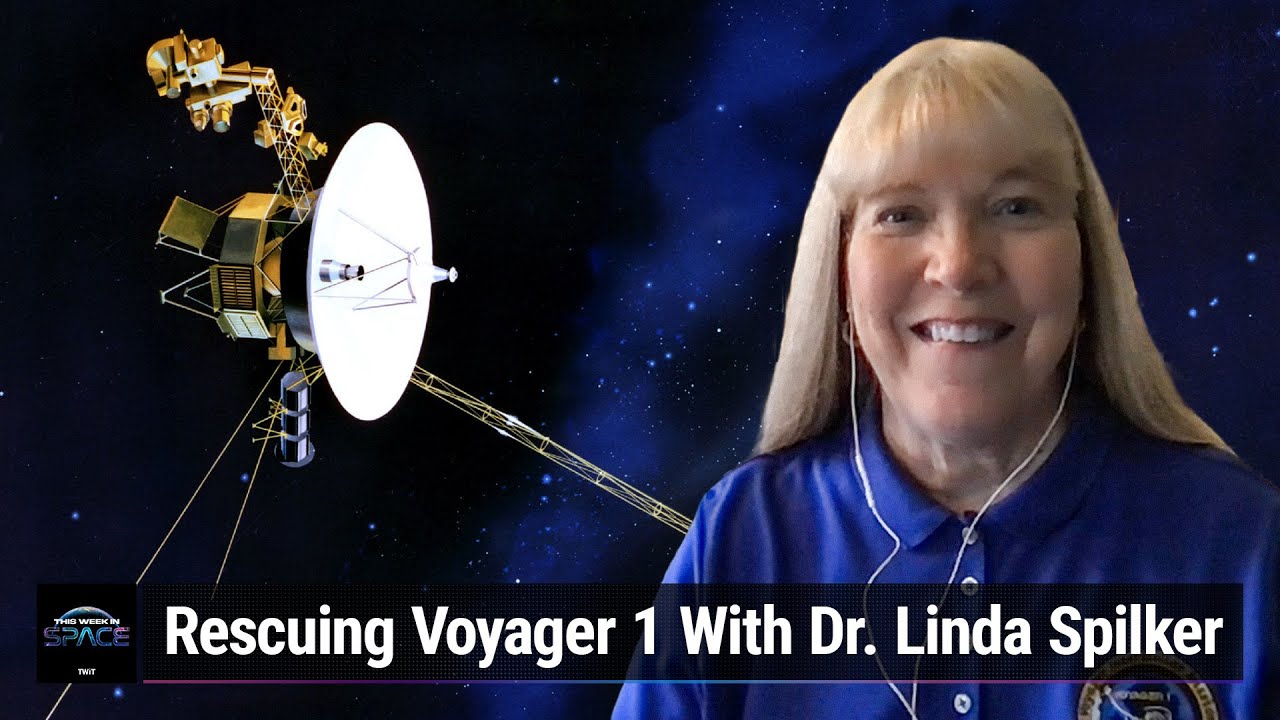
On Episode 110 of This Week In Space, Rod and Tariq talk with Linda Spilker, Voyager project scientist, about the recent rescue of Voyager 1 from beyond the solar system.
The Voyager probes have been transiting space since 1977, and they're still at it 46 years later. But late in 2023, Voyager 1, now 15 billion miles distant, started sending what the flight controllers called "gibberish" back to Earth — uncoordinated ones and zeros and a heartbeat tone. They knew it was still alive, but something had gone wrong.
The small team of software wizards at the Jet Propulsion Laboratory got to work and came up with a workaround... but due to the age of the program, did not have an old enough computer on the ground to test it! They'd have to eyeball the sequence and send it to overwrite existing programming on the spacecraft.
The round-trip radio signal from Earth takes 45 hours... and it was a nail-biter.
Download or subscribe to this show at: https://twit.tv/shows/this-week-in-space.
Get episodes ad-free with Club TWiT at https://twit.tv/clubtwit
Space news of the week
- Boeing Delay
- JWST finds exoplanet atmosphere
- I don't see any evidence of aliens.' SpaceX's Elon Musk says Starlink satellites have never dodged UFOs
- Dr. Linda Spilker bio
- Voyager Mission Visual Summary
- NASA -- Voyager Mission Status
Model Falcon 9!
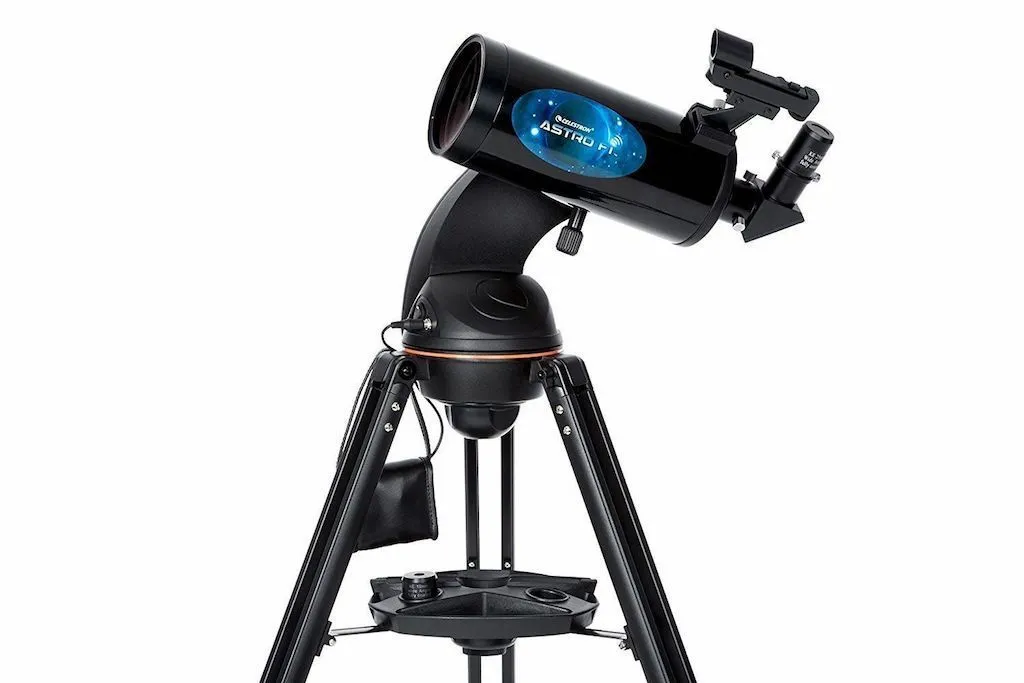
Looking for a telescope to see planets and comets? We recommend the Celestron Astro Fi 102 as the top pick in our best beginner's telescope guide.
Finally, did you know you can launch your own SpaceX rocket? Model rocket maker Estes' stunning scale model of a Falcon 9 rocket that you can pick up now. The launchable model is a detailed recreation of the Falcon 9 and retails for $149.99. You can save 10% by using the code IN-COLLECTSPACE at checkout, courtesy of our partners collectSPACE.com.
About This Week In Space
This Week in Space covers the new space age. Every Friday we take a deep dive into a fascinating topic. What's happening with the new race to the moon and other planets? When will SpaceX really send people to Mars?
Join Rod Pyle and Tariq Malik from Space.com as they tackle those questions and more each week on Friday afternoons. You can subscribe today on your favorite podcatcher.