






CASIS Awards Audacy Grant to Test Radio on Space Station
The nonprofit Center for the Advancement of Science in Space (CASIS) awarded a grant Aug. 17 to Audacy that will enable the Silicon Valley startup to demonstrate its high data-rate radio on the International Space Station.
Audacy, a company established in 2015 to create a commercial space-based communications network, plans to send the Audacy Lynq demonstration mission to the space station's NanoRacks External Payload Platform on a NASA commercial cargo fight in late 2018.
"We plan to demonstrate the efficacy of Audacy's high-rate customer terminal, as well as the utility of Audacy's communications services for downloading science and imagery data from customers onboard the ISS," Ellaine Talle, Audacy project lead, said by email.
On Aug. 8, Audacy announced a related project. The firm is working with Scotland's Clyde Space to send a cubesat into orbit in 2018 to demonstrate the performance of terminals customers flying small satellites can use to transmit data to Audacy's ground stations.
Talle declined to say the value of the CASIS award but said it was large enough to cover the cost of launching Audacy Lynq on a commercial cargo flight and a six-month test of Audacy K-band antenna and radio on the space station.
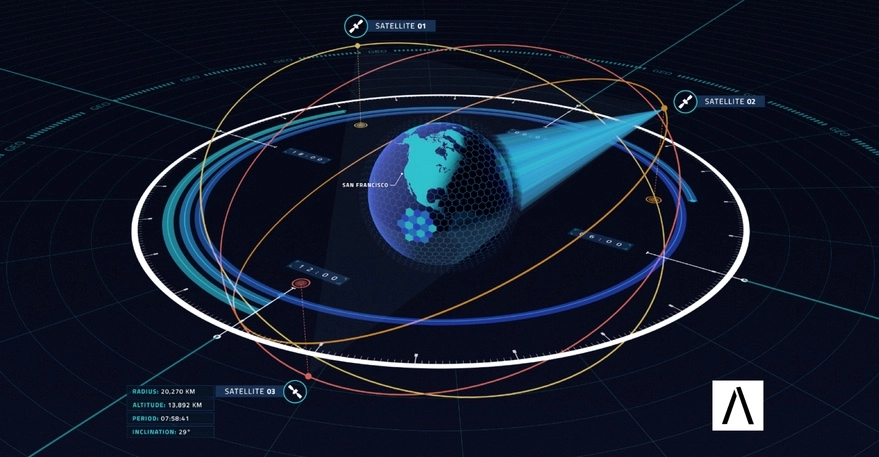
In 2019, Audacy plans to launch three large satellites into medium Earth orbit to relay data from spacecraft in low Earth orbit to ground stations. Audacy is establishing a global network of ground stations to communicate with its future relay satellites and to support customers operating missions beyond the relay satellites' field of view, Talle said.
"While we hope future ISS demonstrations will utilize the relays, this initial mission will only exercise the ground segment," she added.
This story was provided by SpaceNews, dedicated to covering all aspects of the space industry.