





When: Nov. 6 - Nov. 30
Peak: Nov. 17-18
Predicted Maximum: Nov. 17 at 6:45 p.m. EST (2345 GMT).
Comet of origin: 55P/Tempel-Tuttle
Zenithal Hourly Rate (ZHR): 15 (The number of meteors a single observer would see in an hour of peak activity with a clear, dark sky and the radiant at the zenith).
The Leonid meteor shower is active from Nov. 6 to Nov. 30 this year and will peak on Nov. 17, according to the International Meteor Organization's 2026 meteor shower calendar.
The best time to look for the Leonids will be between midnight and dawn, when the shower's radiant in the constellation Leo climbs higher in the sky. For North American observers, the early hours of both Nov. 17 and Nov. 18 are worth watching, while skywatchers in Europe should favor the early hours of Nov. 18.
The moon won't interfere too much with Leonid hunting efforts this year, as it will be around the first quarter phase during the peak and will set before the best early-morning viewing hours, leaving darker skies for meteor spotting.
The Leonids are produced when Earth passes through the debris left behind by comet 55P/Tempel-Tuttle during its highly elliptical orbit around the sun every 33 years. The Leonids are considered some of the fastest meteors, zipping through the sky at 44 miles (71 kilometers) per second, according to NASA. They can also result in impressive fireballs and long, bright meteor trails.
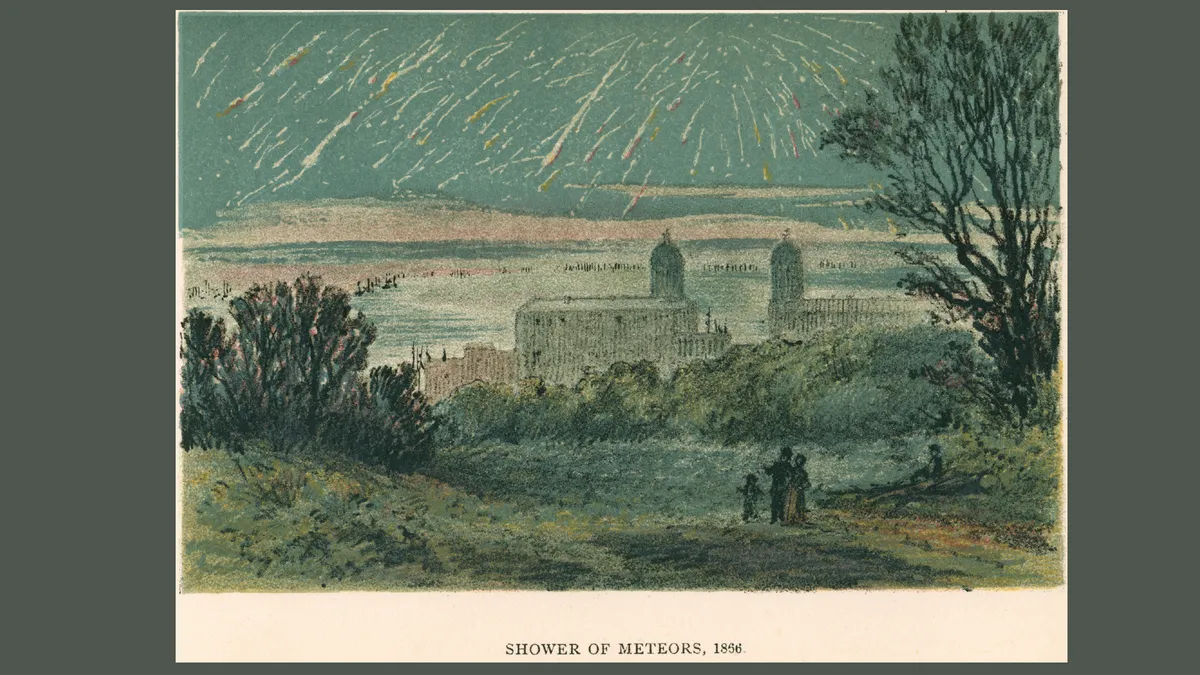
Although the Leonids are usually a modest shower, they have a remarkable history. Every now and then, the shower erupts into a phenomenal meteor storm, with thousands of meteors streaking across the sky each hour. In 2026, we mark 60 years since the spectacular Leonid meteor storm of 1966, one of the most extraordinary meteor displays ever witnessed, with some reports of 40 meteors per second.
How many Leonids will be visible in 2026?
Under ideal conditions, the Leonids typically produce a Zenithal Hourly Rate (ZHR) of approximately 15 meteors per hour.
However, this doesn't mean you'll necessarily see 15 shooting stars every hour.
ZHR is a standardized measure that assumes perfectly dark, clear skies and the shower's radiant directly overhead. In reality, light pollution, cloud cover, moonlight and the position of the radiant can all reduce the number of meteors you actually see.
So it's best to keep your expectations realistic. You may only spot a handful of Leonids within an hour of watching (if you're lucky).
Where can you see the Leonid meteor shower?

Meteor showers are named after the constellation from which the meteors appear to emanate, known as the radiant. From Earth's perspective, the Leonids appear to originate from the direction of the Northern Hemisphere constellation Leo.
Right ascension: Approximately 10 hours
Declination: Approximately +22 degrees for the Leonid radiant near maximum
Best visibility: Northern Hemisphere, although the shower is also visible from many Southern Hemisphere locations
The Leo constellation can be seen at latitudes between 90 and minus 65 degrees. To find Leo, first look for the bright star Regulus and then trace the distinctive backward question mark known as "The sickle" which represents the lion's mane.
Don't look directly at Leo to find meteors, as the shooting stars will be visible throughout the sky. Make sure to look around and move your gaze to nearby constellations as meteors further from the radiant tend to have longer trains (glowing trails of debris) and are easier to spot.
To see the Leonids at their best, go to the darkest possible location, lean back and relax. You don't need any telescopes or binoculars as the secret to a good meteor viewing experience is to take in as much sky as possible. Make sure to allow about 30 minutes for your eyes to adjust to the dark.
If you want more advice on how to photograph the Leonid meteor shower check out our how to photograph meteors and meteor showers guide and if you need imaging gear, consider our best cameras for astrophotography and best lenses for astrophotography.

What causes the Leonid meteor shower?
The Leonids are caused by the debris of ice and dust left behind by 55P/Tempel-Tuttle as it passes through the solar system and orbits the sun every 33 years. It will return again in 2031.
When Earth passes through the comet's debris, the "comet crumbs" heat up as they enter Earth's atmosphere and produce impressive "shooting stars" that streak across the sky.
55P/Tempel-Tuttle is a small comet with a nucleus measuring just 2.24 miles (3.6 km) across. It was discovered independently by both Ernst Tempel and Horace Tuttle in 1865 and 1866, respectively. The letter "P" indicates it is a periodic comet — a comet with an orbital period of less than 200 years.