





Planetary defense: How military and civil satellites are watching fireballs to help keep Earth safe from space rocks
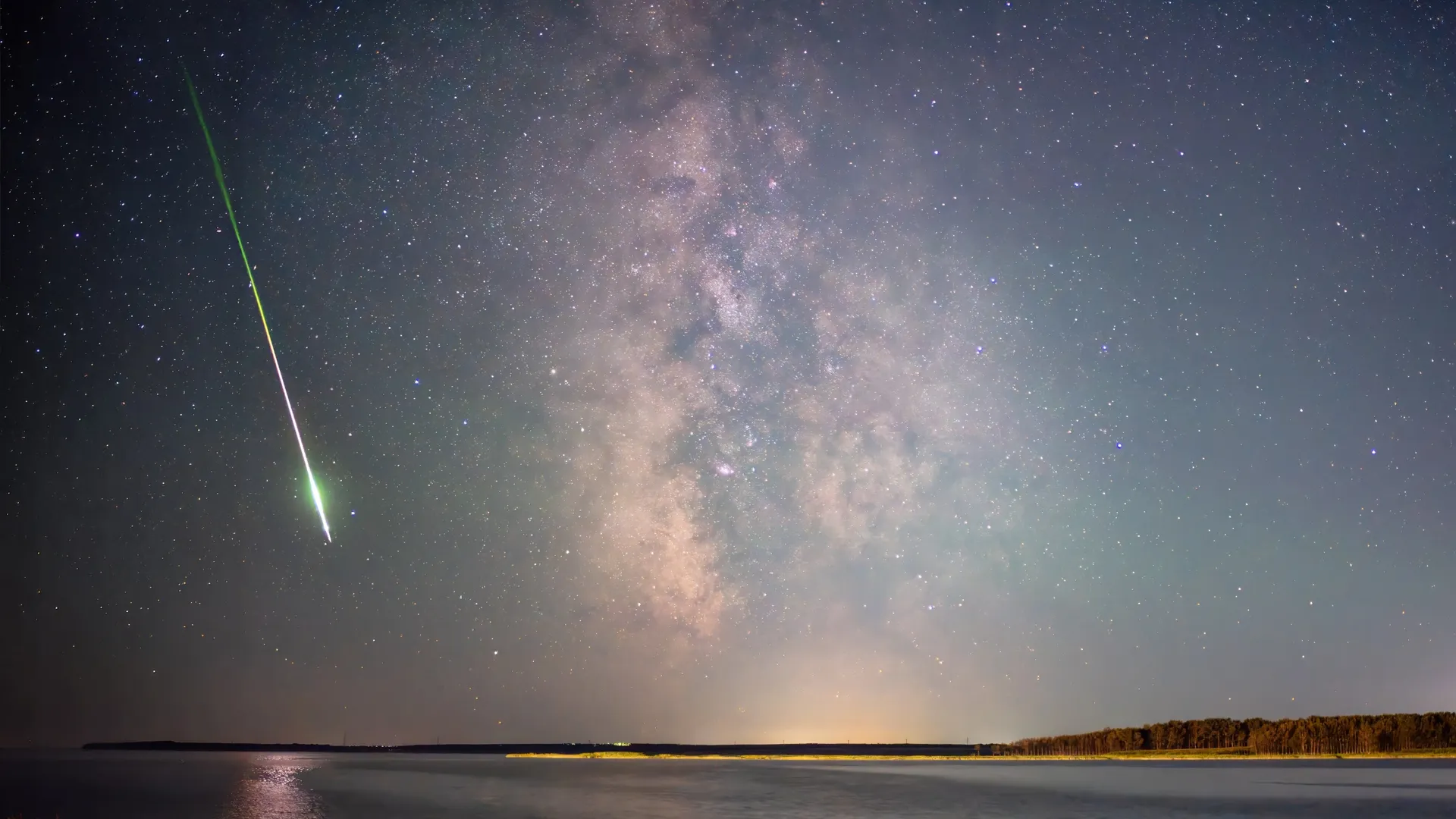
It came from outer space, exploding high above the South Atlantic off the coast of Argentina.
That April 1 event — an incoming meteor, also termed a bolide — was observed by both U.S. space-based military and civil sensors.
Hush-hush U.S. government satellite sensors detected the speedy fireball cutting through our atmosphere. The object's brightness peaked at an altitude of nearly 60 miles (90.5 kilometers) over the South Atlantic.
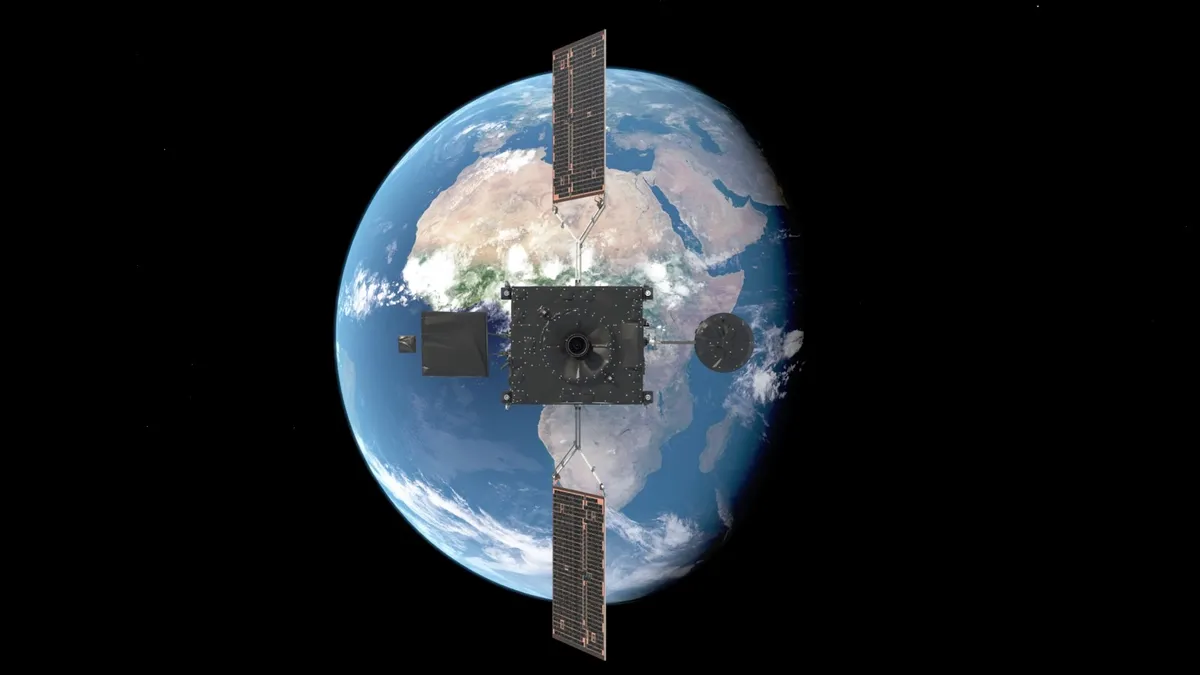
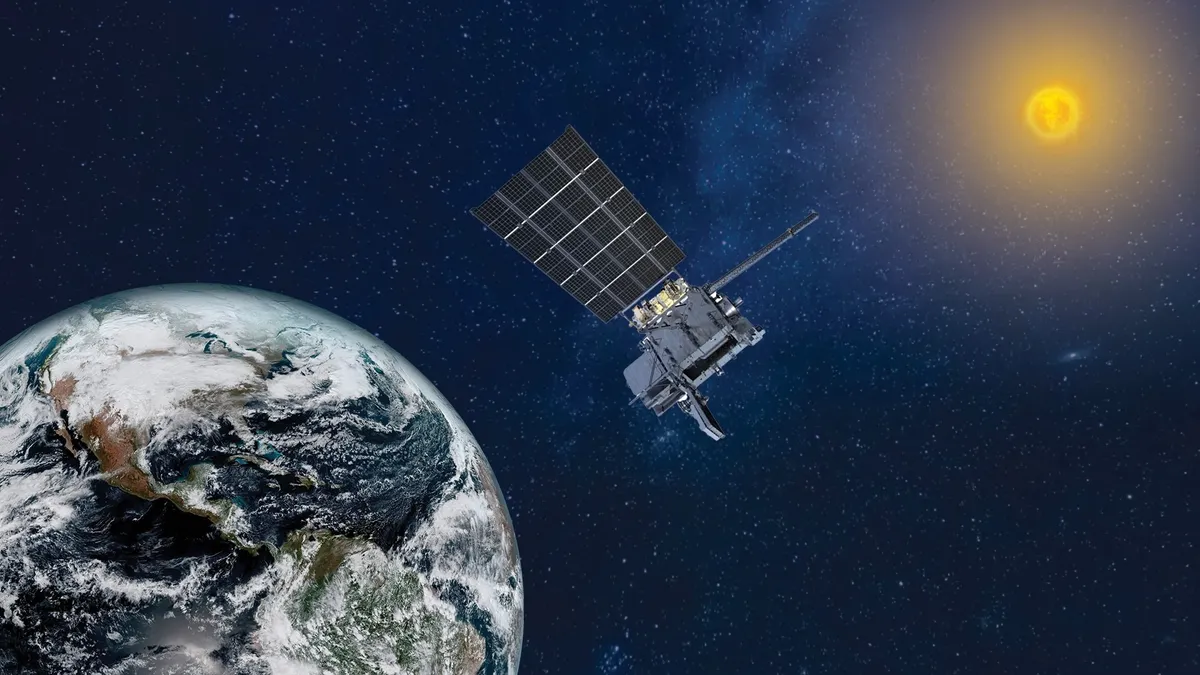
That dazzling spectacle was also caught by the National Atmospheric and Oceanic Administration's GOES-E and Europe's Meteosat Third Generation (MTG) Imager-1 satellite. Those two independent spacecraft in geostationary orbit detected the bolide via onboard lightning imagers.
This skyfall show is among a number of recent episodes that spotlight the value of combining multi-sensor data to not only portray fireball dynamics but also to help appreciate human-caused space debris impacts, as well as strengthening planetary defense knowhow.
Catastrophic fragmentation
Take, for instance, another extraterrestrial incident.
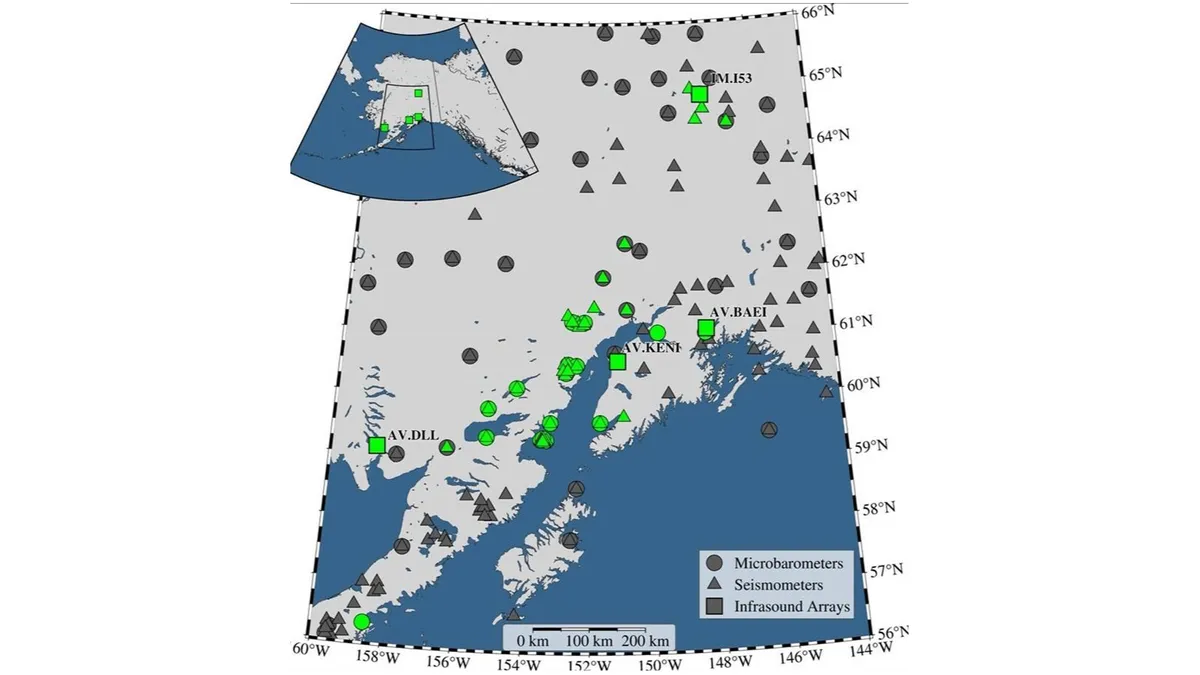
In this case, an April 24, 2025 fireball over south-central Alaska yielded one of the most densely recorded "seismoacoustic" datasets ever obtained for a nature-made bolide en route to busting up.
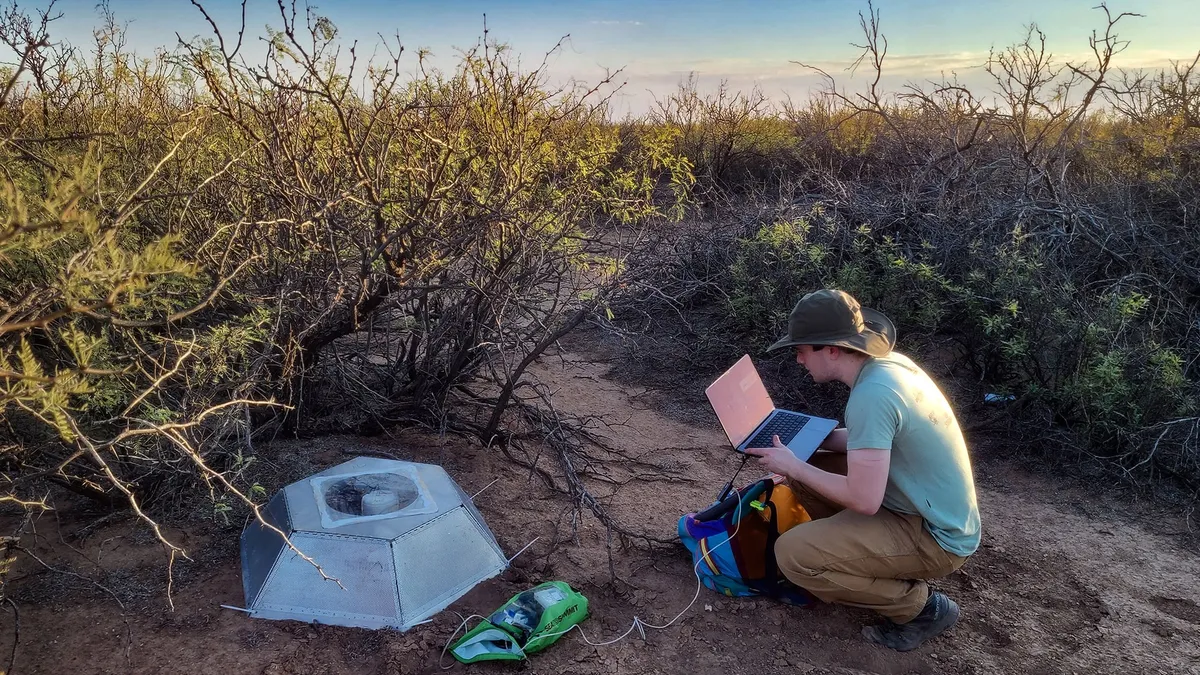
A network of 37 seismic stations, 16 single infrasound sensors, and four infrasound arrays recorded 30 ballistic and multiple fragmentation arrivals. All this was complemented by Doppler weather radar detections of falling meteorites and independent optical video observations.
Now, toss in for good measure yet another encounter.
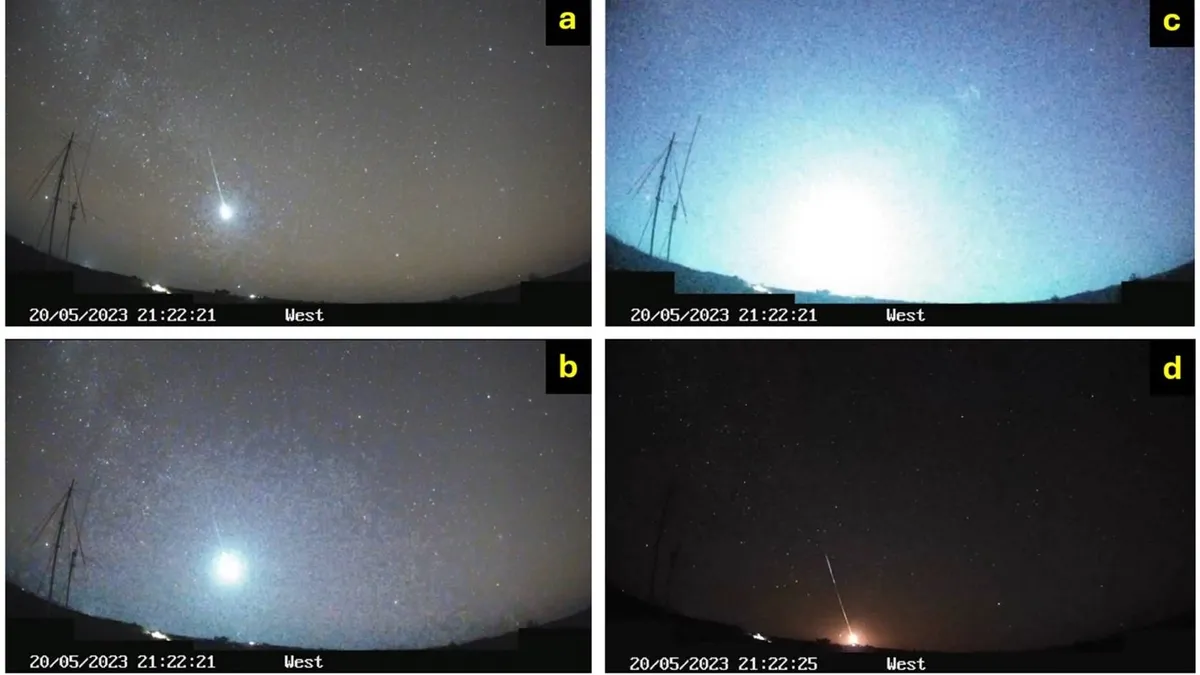
A roughly 12-foot-wide (3.7 meters) space rock plowed through Earth's atmosphere over northwest Queensland, Australia, on May 20, 2023, accompanied by a raucous round of sonic booms. And U.S. government space-based sensors caught the fall.
Researchers later determined that the object underwent catastrophic fragmentation, producing one of the 20 most energetic events reported by NASA's Center for Near-Earth Object Studies (CNEOS) since 1988 and the most energetic seen over Australia. It was equivalent to the explosion of a 7.1-kiloton bomb.
Location, time and estimated energy
"For many fireballs, U.S. Government detections reported through NASA's CNEOS database provide an important starting point by establishing that an event occurred and, in many cases, providing basic parameters such as location, time and estimated energy," explained Elizabeth Silber, a senior research and development physicist at the U.S. Department of Energy's Sandia National Laboratories in New Mexico.
"Civil and scientific observing systems can then add independent measurements that help refine and validate that initial characterization," said Silber.
CNEOS, which is based at the Jet Propulsion Laboratory in Southern California, is NASA's center for computing asteroid and comet orbits and their odds of striking Earth. CNEOS computes high-precision orbits for such objects in support of NASA's Planetary Defense Coordination Office.
Different and complementary information
"The Alaska event is an especially useful example, because it was not reported by U.S. Government sensors in the CNEOS database. In this case, the event was reconstructed almost entirely from civil and scientific observations," Silber told Space.com.
She said that the seismic and infrasound data constrained the trajectory and acoustic energy, the video provided independent optical information, and the weather radar detected material from the fireball falling to Earth.
"So, the real strength is that these systems provide different and complementary information," said Silber. "When a U.S. Government detection is available, civil data can independently validate it and add much more detail. When one is not available, as in this case [for Alaska], the civil networks can still provide a surprisingly complete reconstruction."
Independent view
The Alaska study shows how valuable it is to put together diverse types of observations once an event has occurred, said Silber. Each measurement responds to a different part of the event.
"Seismic and infrasound sensors record the atmospheric shock waves and can constrain the trajectory, fragmentation and energy," she added. "Optical observations provide an independent view of the luminous flight. Doppler weather radar can detect surviving material after it has slowed and entered dark flight."
Bottom line: no single sensor tells you everything.
"Combining independent observations lets us move from simply knowing that an event occurred to determining how the object traveled through the atmosphere, where it fragmented, how much energy it released, and whether material may have survived to the ground," said Silber.
'Hard rain' is gonna fall
Researchers got pretty lucky with the April 1, 2026 event over the South Atlantic, according to NASA's Rob Landis, a planetary defense specialist: Two civilian spacecraft located at different locations in geosynchronous orbit allowed them to conduct a rather unique investigation of this bolide.
"With two civilian resources, we can actually discuss things more openly," Landis, who's now a visiting vehicle integration manager for the International Space Station at NASA's Johnson Space Center, told Space.com.
Lightning-watching instruments not designed for detecting bolides, he said, "afford the science community to discuss these events and these sensors in a forthright, open manner. These lightning imagers give us opportunistic bonus science for those who study the 'hard rain.'"
Landis said that, in his personal view, there's a lot of smaller stuff getting through the atmosphere.
"To the casual observer, these certainly produce wonderful natural fireworks and are mostly harmless," Landis said. But, he stressed, it's important to be able to distinguish between natural events and human-made ones.
"It would be a horrific tragedy if any nation responded to a natural event — if they misinterpret it as a preemptive strike," cautioned Landis.
Real-world tests
So, in the big picture, having collaborative, multiple and independent ways to observe atmospheric entries is of benefit to planetary defense thinkers.
"Planetary defense is not only about finding an object before it reaches Earth," Silber said. "It is also about understanding what happens during atmospheric entry — that is, how the object fragments, where it deposits its energy, how accurately we can reconstruct its trajectory and whether material survives to the ground."
Incoming events provide "real-world tests" of the methods and models used to answer those questions, said Silber.
Harkening back to the recent Alaska fireball fall, Silber said, was particularly valuable because it was unpredicted, yet the dense ground-based network allowed the trajectory and energetics to be reconstructed in considerable detail.
"From a planetary-defense perspective, that kind of redundancy is extremely useful. Space-based observations, seismic and infrasound networks, optical cameras, and weather radar each provide different information, and each has its own limitations," Silber said.
When several observation techniques are available, researchers can cross-check one another and produce a much more complete characterization of an event.
"That improves post-event situational awareness, helps validate physical models and strengthens our ability to interpret future atmospheric entries, whether they involve natural objects or artificial reentries," Silber concluded.