






What Will NASA Space Shuttle Workers Do Next?
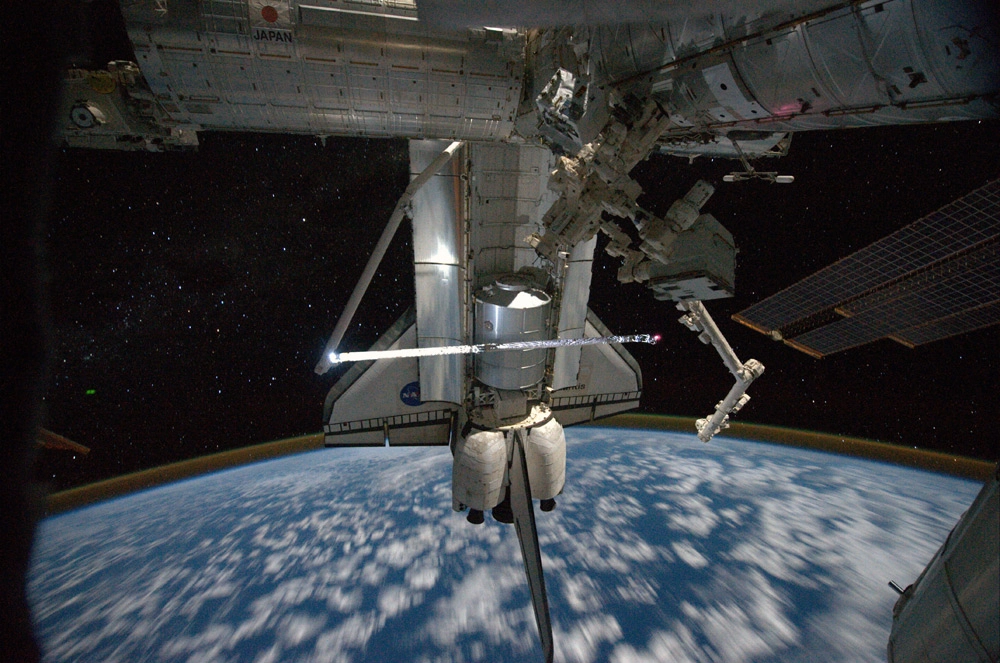
With the space shuttle Atlantis completes its last mission this week, the 30-year space shuttle program officially comes to an end. Like the other retired shuttles, Atlantis will be shipped off to a museum, leaving NASA without any vehicles for human spaceflight.
When that happens, what will all the employees involved in the program — from astronauts to flight controllers and technicians — do?
For some of them, post-shuttle NASA will mean business as usual. Others will shift their focus toward developing future missions and vehicles. Thousands of employees expect to be laid off.
But NASA's astronauts, the ones that stay, will stay busy in the coming years.
"The astronauts will have plenty to do with continuing to travel to the space station and training for future missions," said Stephanie Schierholz, a NASA shuttle and International Space Station program spokesperson, told Life's Little Mysteries, a sister site to SPACE.com.
NASA's final shuttle flight aboard the Atlantis launched on July 8 to deliver vital supplies and equipment to the International Space Station. It marked the 135th and final flight of NASA's shuttle program since the fleet began launching into space in April 1981.
Atlantis will land Thursday (July 21) at the Kennedy Space Center in Florida to cap 30 years of NASA shuttle flight with its 13-day mission. [NASA's Space Shuttle Program In Pictures: A Tribute]
Space station bound
The "main thrust" of the astronauts' work, according to Nicole Cloutier-Lemasters, a NASA spokeswoman at Johnson Space Center (where the astronauts train), will be to continue to train for missions on the International Space Station. Rather than travel by space shuttle to the space station, they'll fly up in Russia's Soyuz spacecraft, she said.
The Russian vehicles, like the shuttles, have been flying to and from the space station regularly since construction began on orbiting lab in 1998, and NASA astronauts already make the occasional round-trip journeys aboard them.
"There are a lot of astronauts in the training flow for the ISS — it's a very long training program — and they will continue to support the space station," said Cloutier-Lemasters.
Other astronauts will begin working on the design and development of future NASA vehicles, she said. NASA plans to build a new space capsule, called the Multi-Purpose Crew Vehicle, for deep space missions to an asteroid.
"Because there is such a lead time on those future missions, there are a lot of milestones and a lot that goes into the initial work. So some of our astronauts will support the crew office, review designs such as instrument panel designs, and give feedback." [What Will NASA Name Its New Spaceship?]
At later stages, they will begin training for manned missions aboard U.S. vehicles yet to be built, such as a visit to an asteroid planned for 2025, followed by missions to the moon and Mars.
Layoffs loom
A third subset of astronauts, Cloutier-Lemasters said, "will move to other positions within the agency."
According to NASA public affairs officer Kyle Herring, mission commentator for the space station program at Johnson Space Center, members of the space shuttle mission control team may not have quite as much to keep them occupied in future as the astronauts will.
"Some will transfer to space station control operations, and some will be laid off," Herring said.
The work force behind day-to-day shuttle operations, including the maintenance and technician crews, will face mass layoffs. In April United Space Alliance, a main NASA contractor, announced it would lay off nearly half its work force — as many as 2,800 employees — after the last shuttle flight in July.
This article was provided by Life's Little Mysteries, a sister site to SPACE. Follow us on Twitter @llmysteries, then join us on Facebook. Follow Natalie Wolchover on Twitter @nattyover.
