


Space Verdict
The Seestar S30 Plus is a great beginner smart telescope for deep-sky imaging, along with a reasonable price tag and enough features to develop your astro skills without buying another instrument.
Reasons to buy
- +
Excellent deep-sky imaging, even with light pollution
- +
Built-in filters and easy automated set-up
- +
Exceptionally portable and affordable
Reasons to avoid
- -
Lower resolution than more expensive smart telescopes
- -
Poor planetary imaging
- -
No eyepiece for traditional observing
Why you can trust Space.com Our expert reviewers spend hours testing and comparing products and services so you can choose the best for you. Find out more about how we test and review products.
I’ve used several smart telescopes over the last few years, but I'd recommend the ZWO Seestar S30 Plus to almost anyone wanting to get started in astrophotography. At $499/€499, it’s a complete imaging system that can photograph galaxies, nebulae and star clusters automatically, even from a light-polluted city. Better still, it’s so small that it can live on a bookshelf.
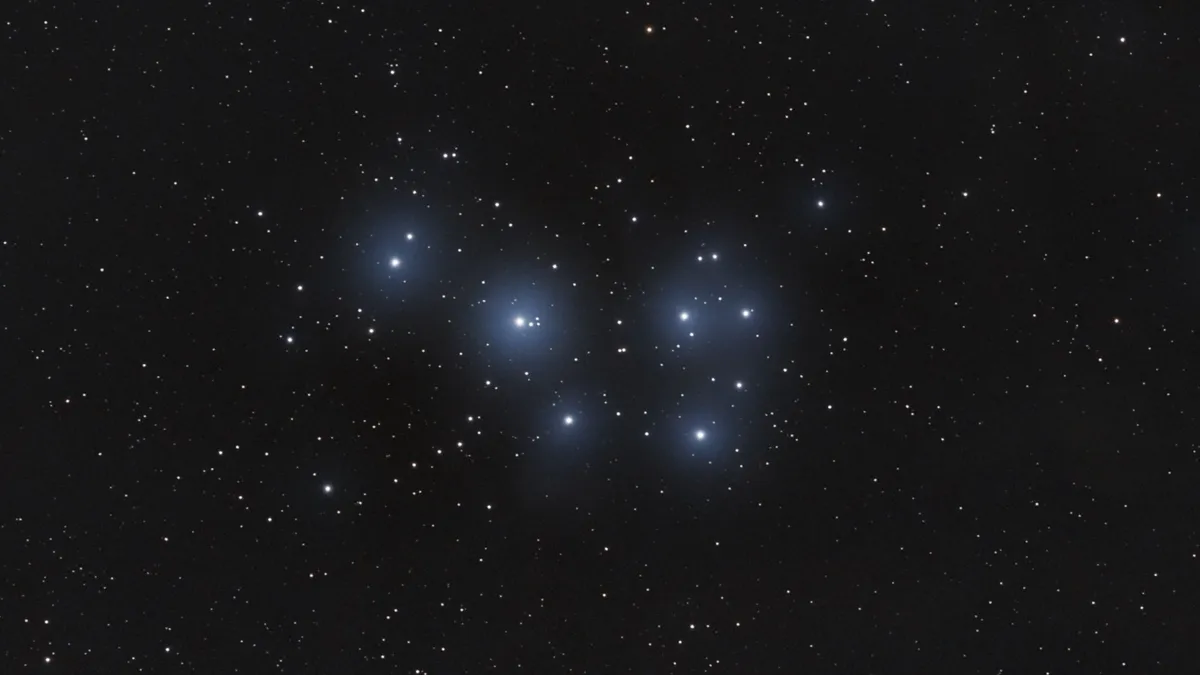


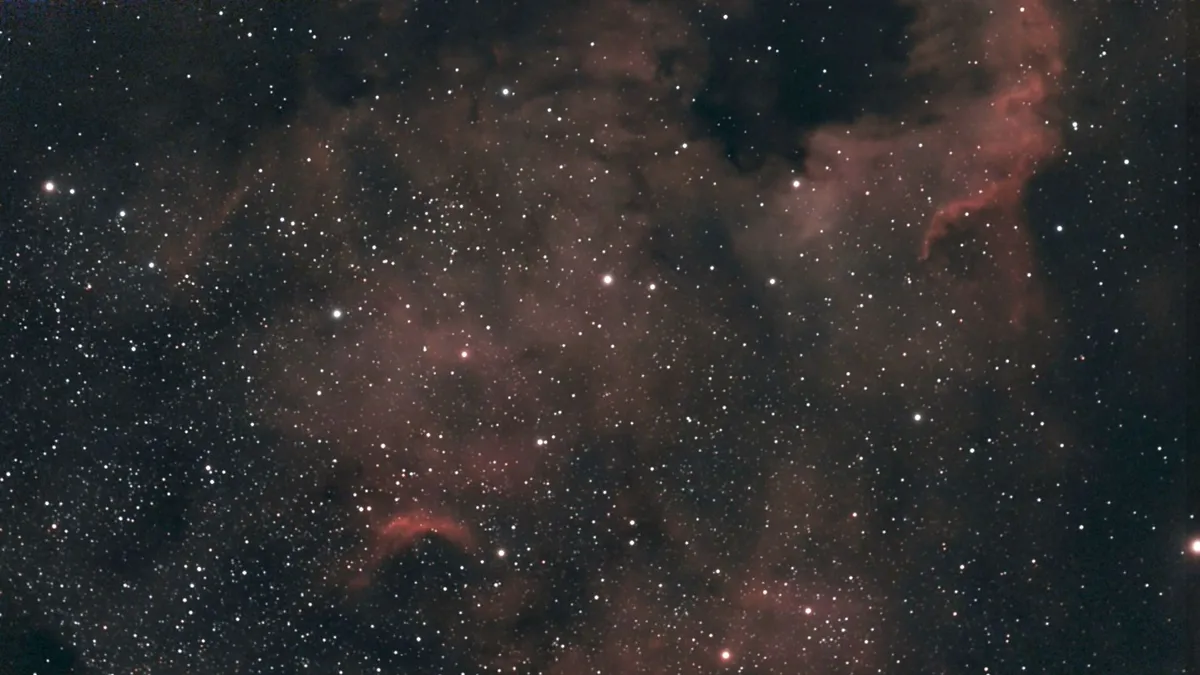
I recently captured images of the Dumbbell Nebula (M27), the North America Nebula (NGC 7000), the Andromeda Galaxy (M31) and the Pleiades (M45) with the S30 Plus. All were remarkably easy to capture, and none of the images accompanying this review required external processing. It’s basically point-and-shoot astrophotography — if you live under light-polluted skies, that’s a game-changer.
I also think the S30 Plus makes an ideal companion to a conventional optical telescope. I can set it to photograph a nebula I have no hope of seeing under light pollution while I try to find brighter objects through the eyepiece of another telescope. It will then get on with collecting photons while I enjoy observing.
For anyone who already owns a telescope but doesn’t want the expense and complexity of conventional astrophotography, that’s a compelling proposition.
I photographed nebulas despite light pollution
One problem with buying a cheap optical telescope is that deep-sky objects rarely resemble the colorful photographs you see online. The moon, planets and bright star clusters can look wonderful through an eyepiece, but faint galaxies and nebulas are much harder to appreciate, particularly from a town or city.
Like all smart telescopes, the S30 Plus gets around that problem by photographing objects rather than showing them directly. Its camera takes repeated exposures, which the telescope automatically stacks to reduce noise and gradually reveal faint detail. The longer you leave it working, the better the resulting image tends to become.
Being able to photograph colorful nebulas without traveling to a remote observing site is one of the biggest attractions of the S30 Plus. For beginners living in cities, it could transform their experience of astronomy.
It’s the perfect companion to my optical telescope
I’ve always preferred spending my nights looking at the sky rather than fiddling with equipment, which is one reason I enjoy smart telescopes. Traditional astrophotography can involve a camera, tracking mount, adapters, cables, alignment, a laptop and considerable patience before the first useful exposure begins. The S30 Plus removes almost all of that.
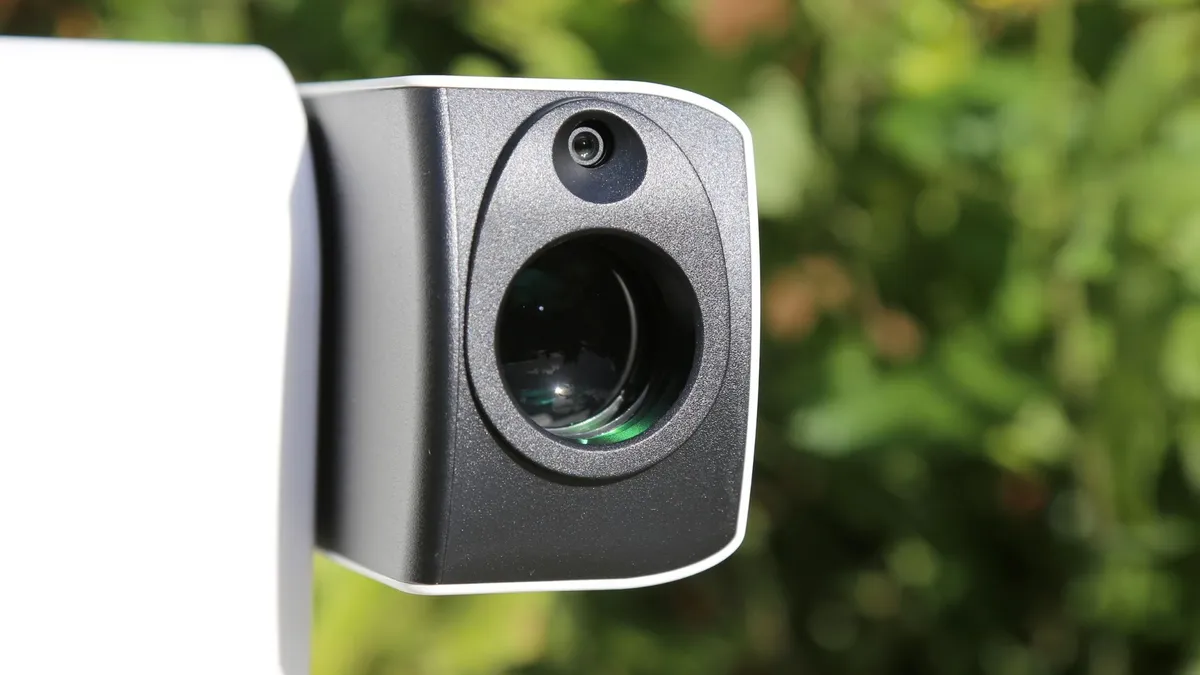
I can put it outside, connect the Seestar app and choose a target from its built-in sky atlas. The telescope then moves to the correct position, identifies the star field, centers the object, focuses and begins imaging. Within minutes, a photograph starts appearing on my smartphone. That leaves me free to use an optical telescope alongside it — or stay inside and do something else.


The longer I leave it alone, the better the images get
Using the S30 Plus’s built-in UV/IR cut filter — which blocks ultraviolet and infrared light — I captured the Andromeda Galaxy (M31), a popular deep-sky object. As the hours went by, the dust lanes on its outskirts appeared in ever more detail. That’s how smart telescopes work — they collect and combine dozens or hundreds of short exposures, gradually revealing fainter structure while reducing noise.
So impressive is the image after only about five or six exposures that it’s tempting to stop after a few minutes — but patience makes an enormous difference. Fortunately, you don’t have to stand beside the S30 Plus. You can leave it collecting light — even overnight, thanks to its scheduling option (though it’s not waterproof, so check the weather forecast!).
Using the dual-band anti-light pollution filter, the Pleiades open cluster (M45) provided another interesting test. The S30 Plus has a mosaic mode that photographs overlapping sections of sky to create a larger image than its main camera can capture in a single frame. It’s ideal for expansive targets such as the Pleiades and Andromeda, although gathering enough exposures takes time. The app shows how much of the mosaic has been completed, and if needs be, you can continue collecting data on subsequent nights.
I also photographed the Double Cluster in Perseus (NGC 869 and NGC 884) and the Great Globular Cluster in Hercules (M13), both relatively swift targets, but as anyone who’s used a smart telescope knows, it’s the faint nebulas that are the real prize. For those, dark skies mean better data — and that’s exactly why a smart telescope needs to be portable.
It’s small enough to fit in my camera bag
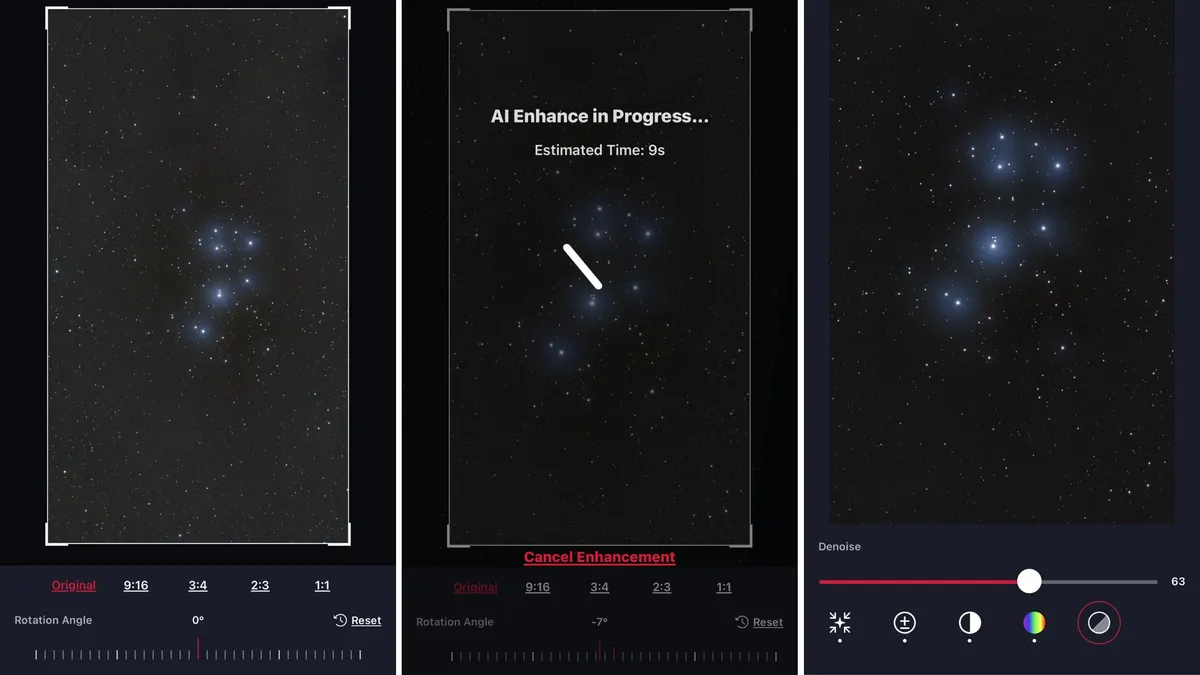
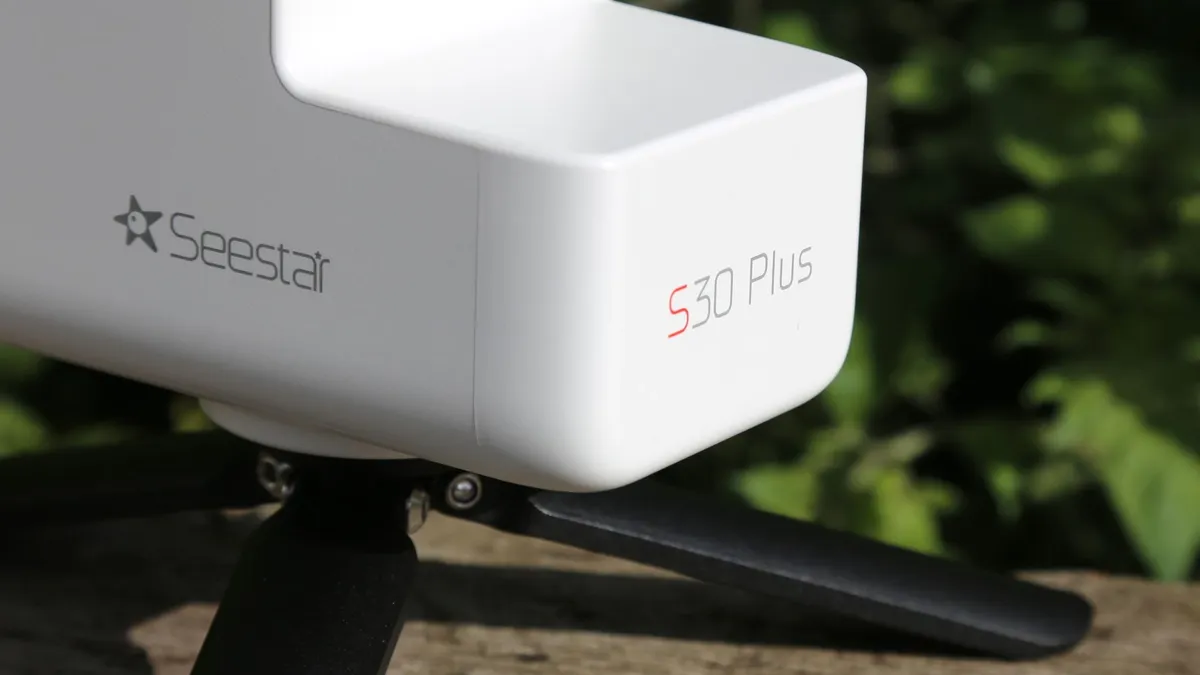
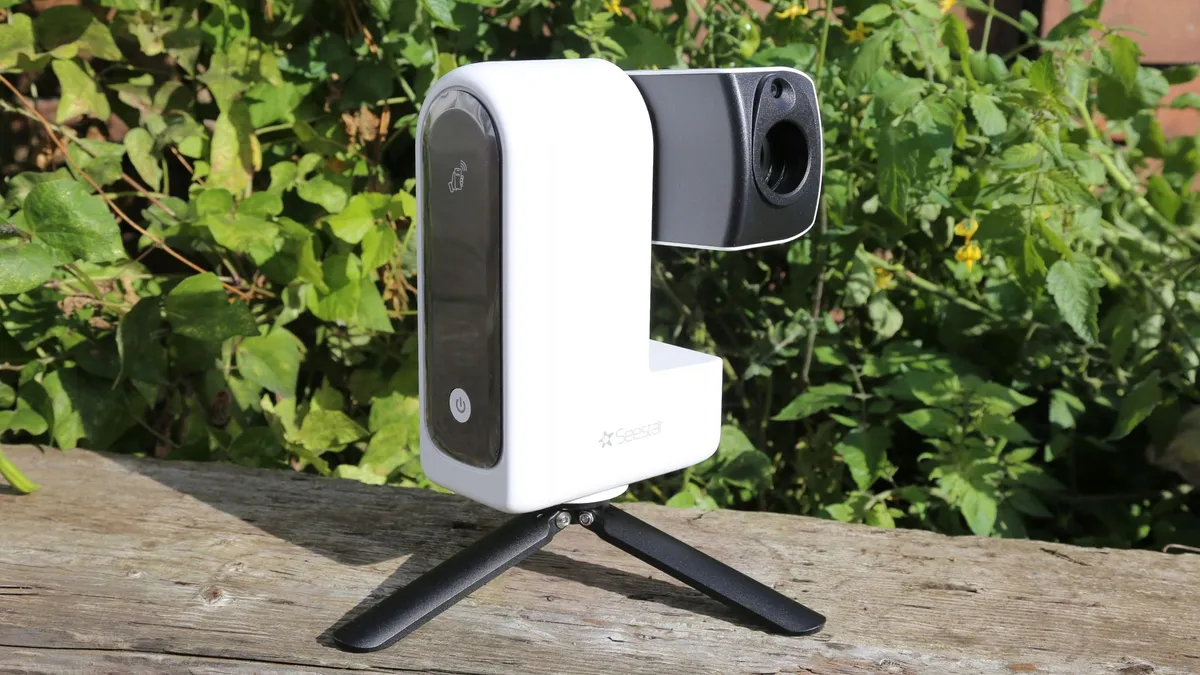
The S30 Plus weighs just 3.64 lbs (1.65 kg) and measures 8.25 x 5.5 x 3.15 inches (210 x 140 x 80 mm) when switched off. That’s small enough to fit into a camera bag in place of another lens or camera body, which is a major advantage because I travel to remote locations quite frequently. That fact that it sits on such a tiny tripod is also a boon.
I’ve recently used the much larger Seestar S50 Pro, which weighs 6.17 lbs (2.8 kg). It’s a more capable imaging instrument with a 50mm aperture and a larger 8.3-megapixel sensor, but its heavier, bulkier chassis is harder to get into carry-on luggage. The S30 Plus and the higher-spec S30 Pro also differ from the S50 Pro in that they come with a padded carry case. This has a useful carrying handle, although there’s no shoulder strap or dedicated storage for the tripod and magnetic solar filter.
It’s also worth taking along a portable battery and USB-C cable to recharge its built-in 6,000mAh battery during long sessions, though it lasts about six hours, which will suit most observing sessions.
It’s much more advanced than the original S30
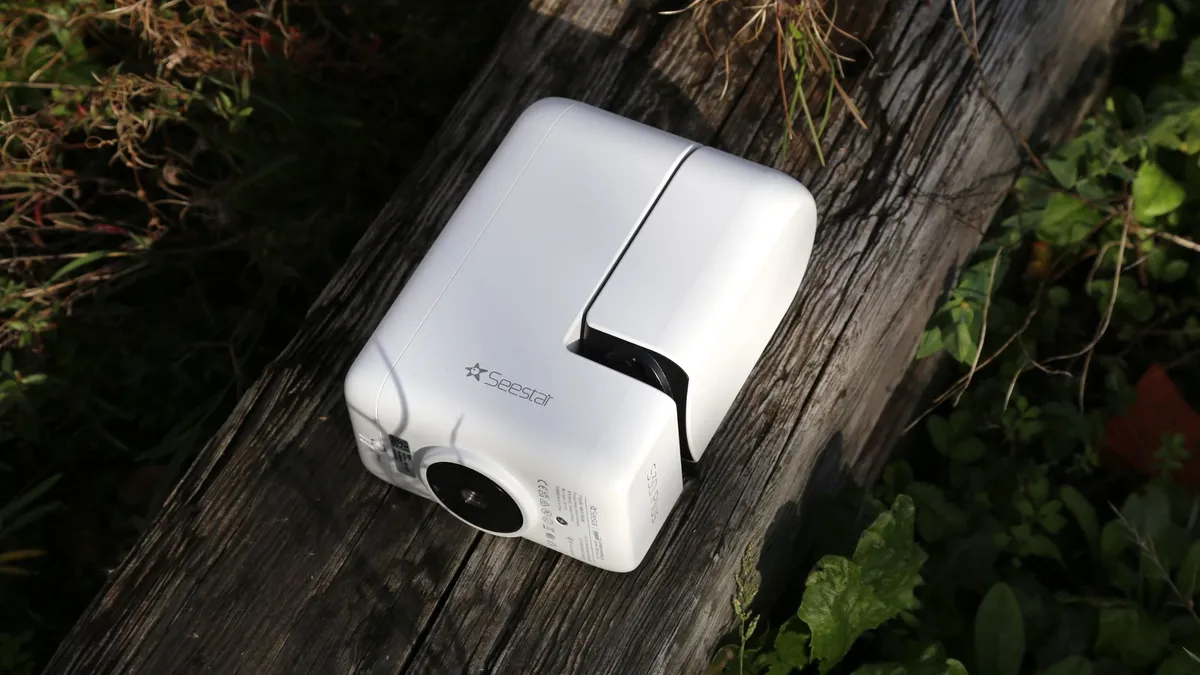
The original, now-discontinued S30 was already impressive, but the S30 Plus is a substantial upgrade. It has improved four-element apochromatic optics with ED glass and two 3.7-megapixel cameras, each producing 1,440x2,560-pixel images. That’s almost 80% more pixels than the original S30’s main camera.
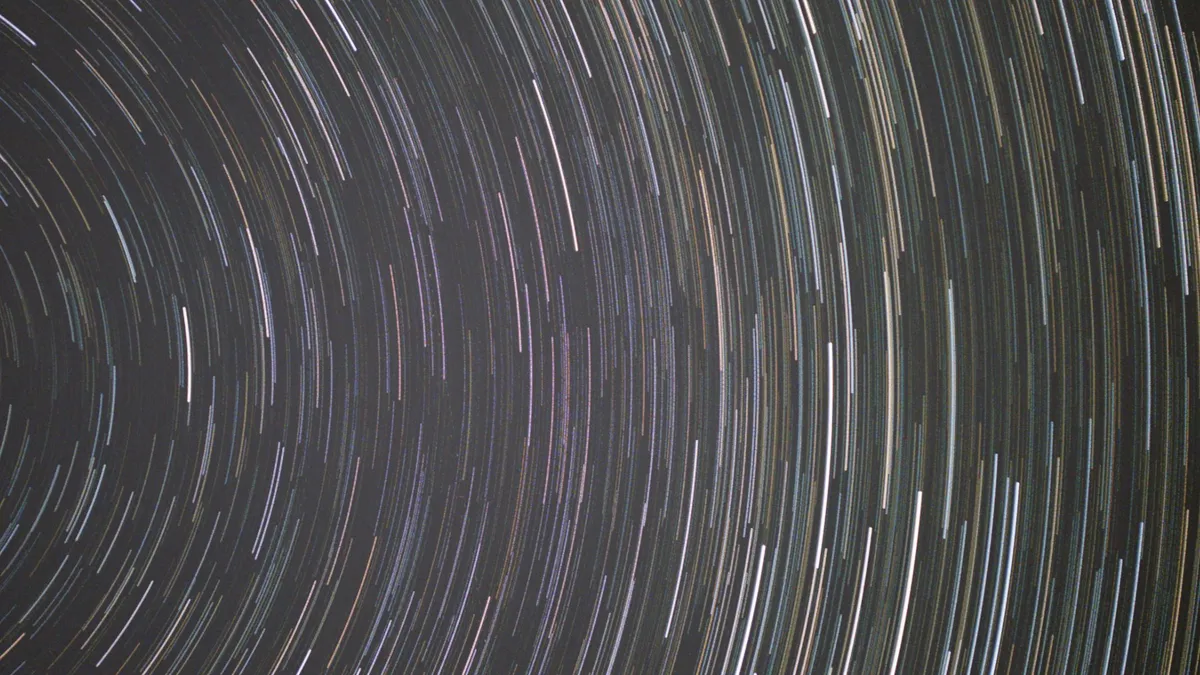
The main camera’s field of view has increased slightly to about three degrees, while the wide-angle camera now covers 43.5 degrees of sky. The latter can be used for star trails, though I suspect it’s something most people will experiment with occasionally.
There’s also an EQ mode. This will align the telescope with Earth’s rotation to allow longer exposures and sharper edges, which I found worked really well. It requires an appropriately angled mount or wedge (such as the Seestar TH10 Fluid Tripod Head) and a small tripod.
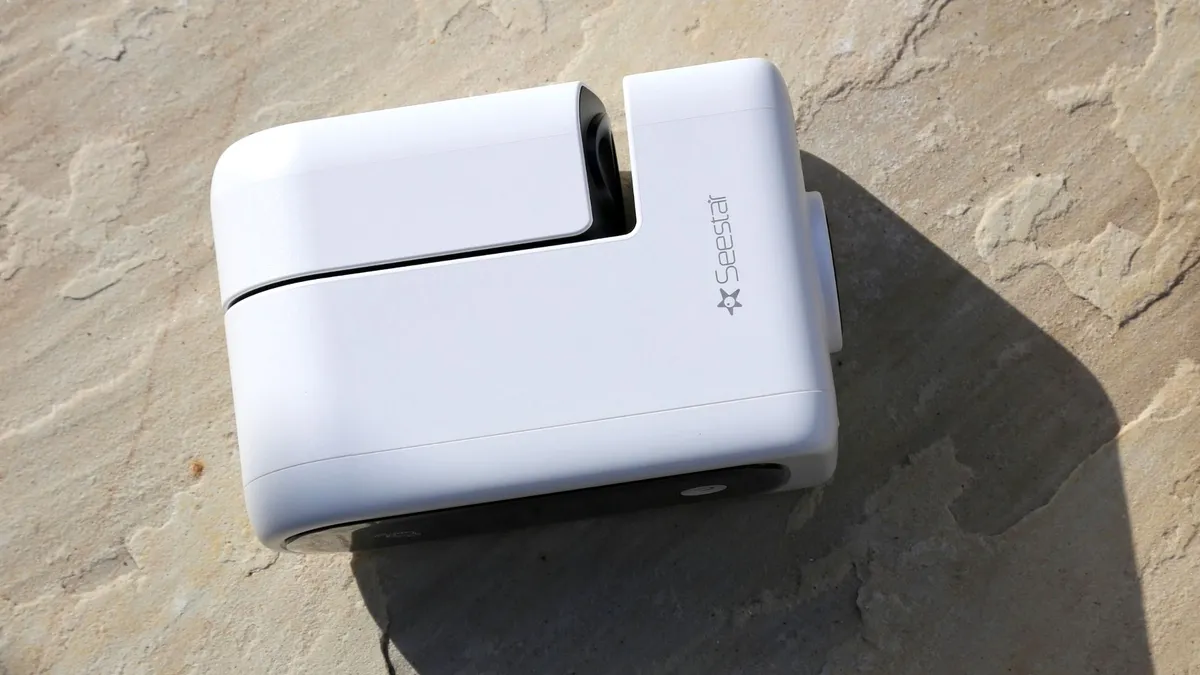


I tested it at 51 degrees north, which randomly appears to be the cut-off point for ease of use because of the tilt it puts on the telescope. It’s when a tripod begins to topple with the weight, meaning you need a tripod whose legs can be set at a low angle (Seestar’s TC20 tripod would be ideal, and is very compact).
The app makes it all very easy to set up, and advanced imaging possibilities like this are welcome. So, too, is the option of outputting images as lossless FITS files for anyone wanting to process their images using specialist software.
That’s what makes the Seestar S30 Plus such a good beginner’s telescope. It’s easy to use immediately, but there’s plenty of scope to develop more sophisticated astrophotography skills without buying another instrument.
I photographed the moon and sun during the day
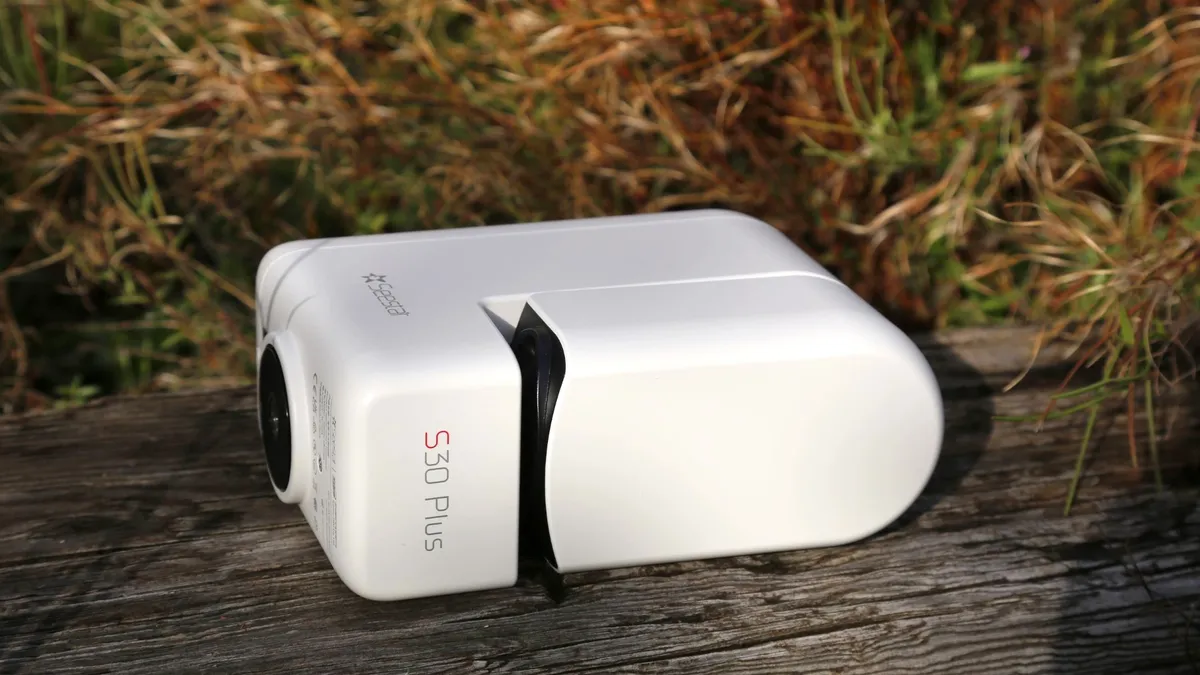
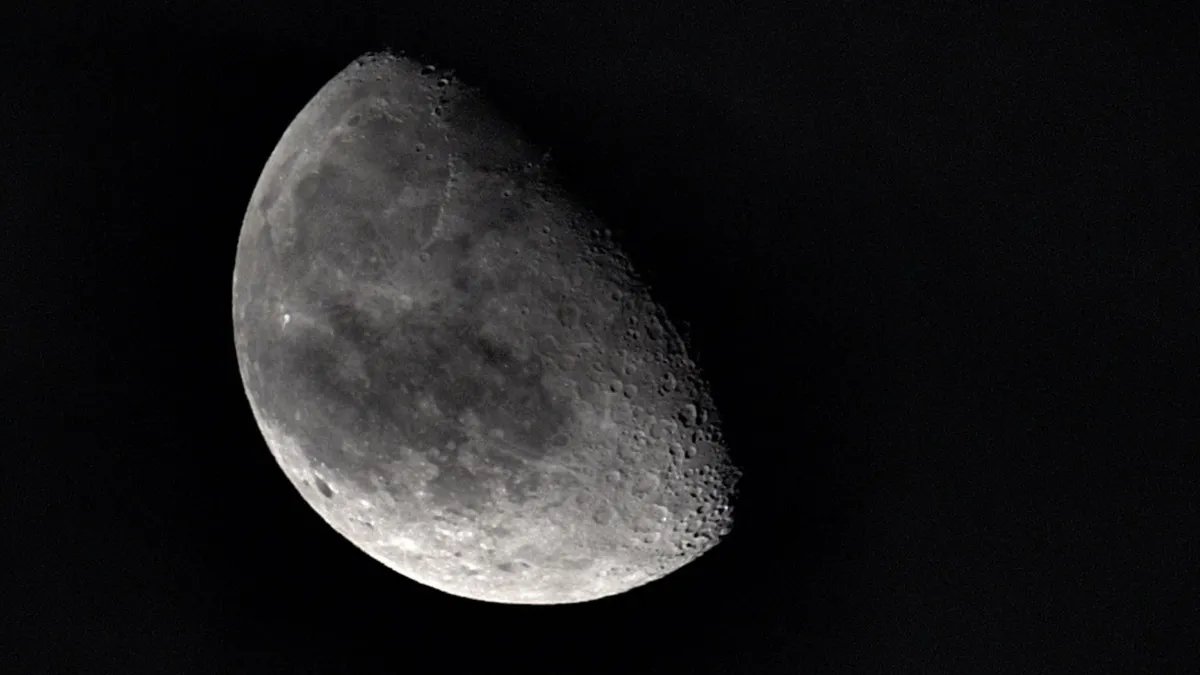
The S30 Plus isn’t limited to deep-sky photography. I photographed a near-full moon against a blue daytime sky, something I particularly enjoy doing with smart telescopes because they’re so quick to set up.
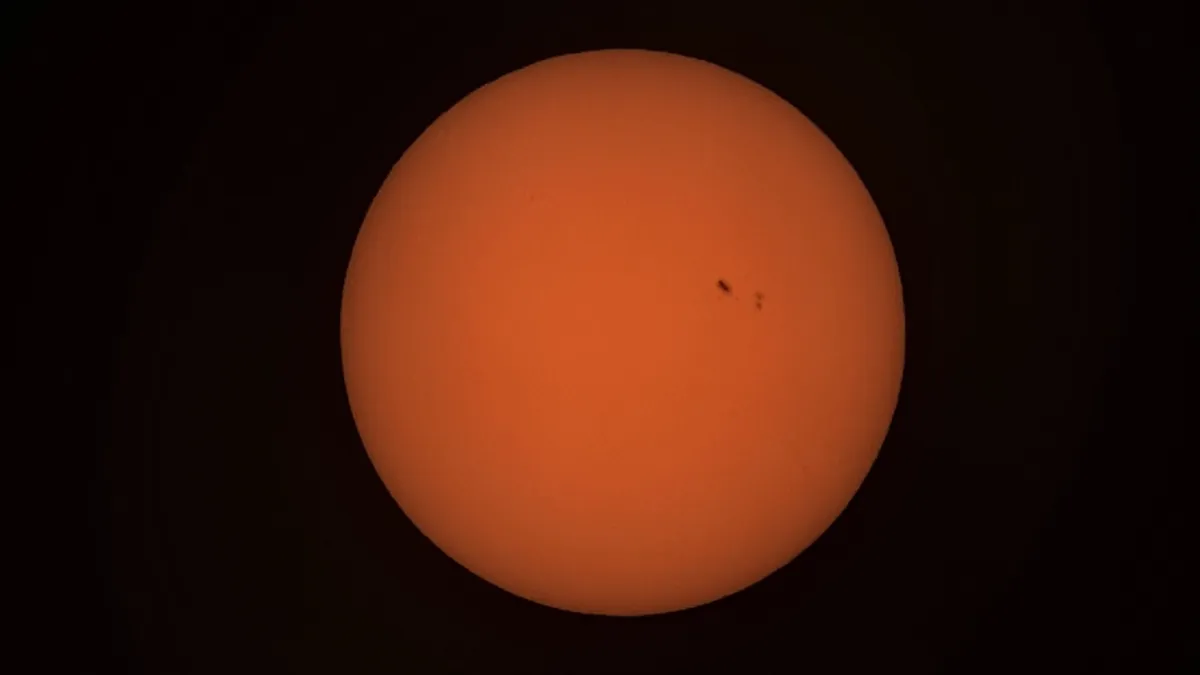
It also comes with a magnetic white-light solar filter, allowing safe photographs of the sun when the filter is securely fitted. This must always be installed before pointing the telescope towards the sun. I did have to manually guide the S30 Plus to the sun and moon on a few occasions, but it’s easy enough to do, and I actually like the option to manually take control — few other smart telescopes allow it. Once you’ve found the sun or moon, the scope centers it and keeps it in view (unless you’re on a moving ship, by the way, where tracking generally fails — something for eclipse chasers to think about).
Planetary photography is less impressive. The 30mm aperture and short focal length aren’t ideal for detailed views of Jupiter or Saturn, so for anyone primarily interested in observing and imaging planets, I’d recommend a conventional optical telescope instead.
I could spend years exploring the sky with this telescope
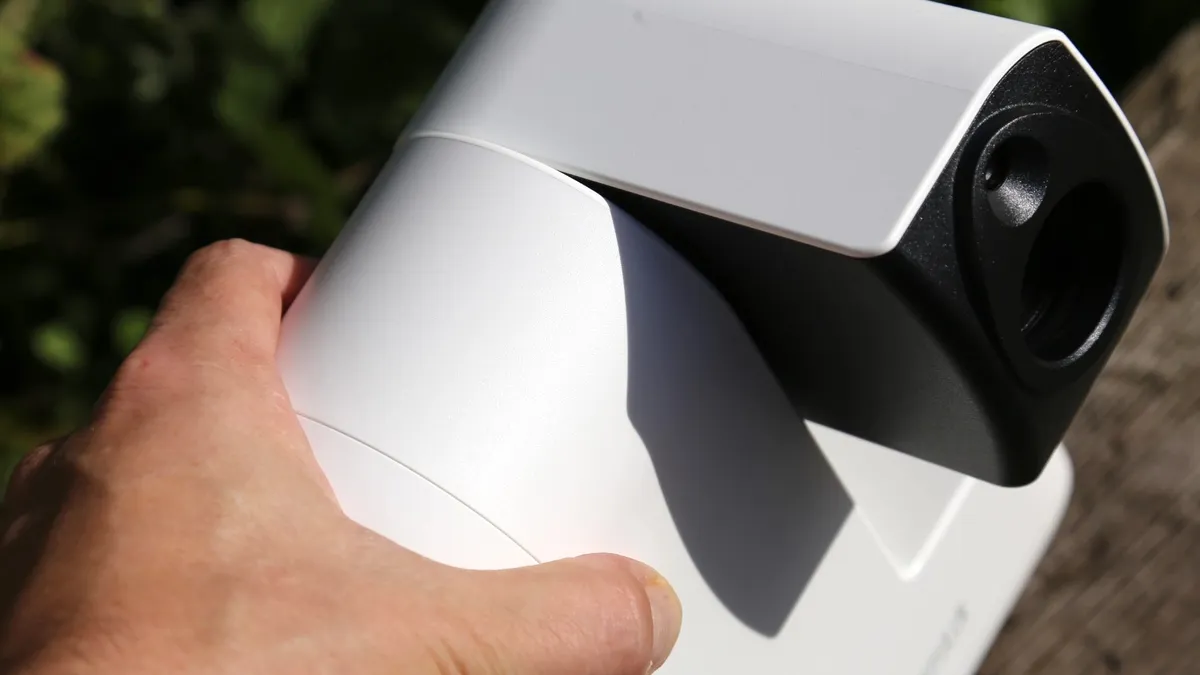
The S30 Plus occupies an interesting position in ZWO’s increasingly crowded Seestar range. With dual 8.3MP cameras and wider fields of view, the S30 Pro is a worthy upgrade from the original S30. Meanwhile, the $999 S50 Pro has a larger 50mm aperture that collects almost three times as much light, although it’s also significantly bulkier and more expensive.
Alternatives exist outside ZWO’s range. DwarfLab’s Dwarf Mini is exceptionally portable, but its lower resolution and more limited capabilities make it less versatile. At the other extreme, Unistellar’s Odyssey has an 85mm aperture, an electronic eyepiece and opportunities to contribute to citizen science projects, but it sits in a different price bracket.
The S30 Plus will hit the sweet spot for many. It offers almost everything a beginner needs to explore deep-sky astrophotography, with built-in filters, mosaic mode and EQ tracking giving plenty of advanced features to grow into. Crucially, it’s small enough to travel with easily. Yes, you can spend more and get slightly better image data, but most beginners don’t need to.
The Seestar S30 Plus is one of the most affordable smart telescopes available, but it’s also one of the best-value offerings in its class.