


Latest about Meteors & Meteor Showers
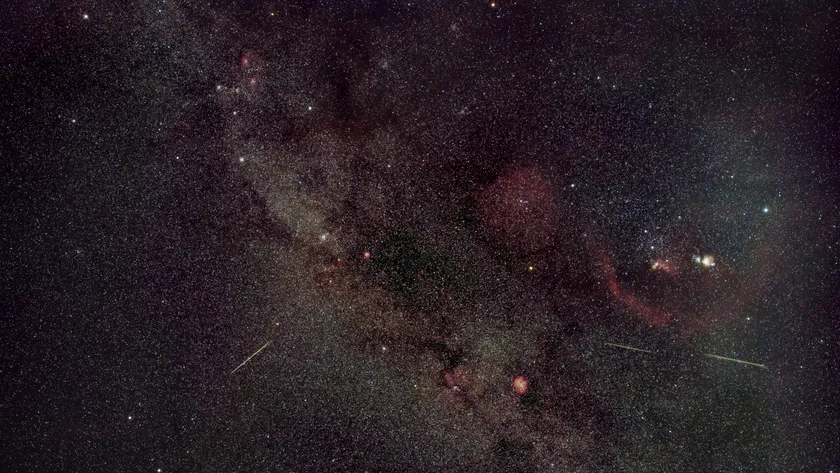
This incredible composite image of Orionid meteors was captured as Earth passed through the debris trail shed by Halley's Comet.
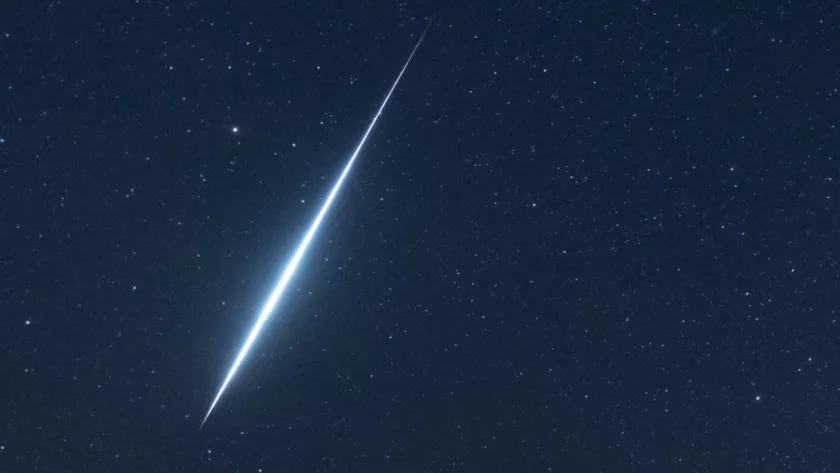
The Orionid meteor shower peaks tonight (Oct. 21-22) in the light of a waxing moon. Here's what to expect from one of Autumn's greatest natural light shows.
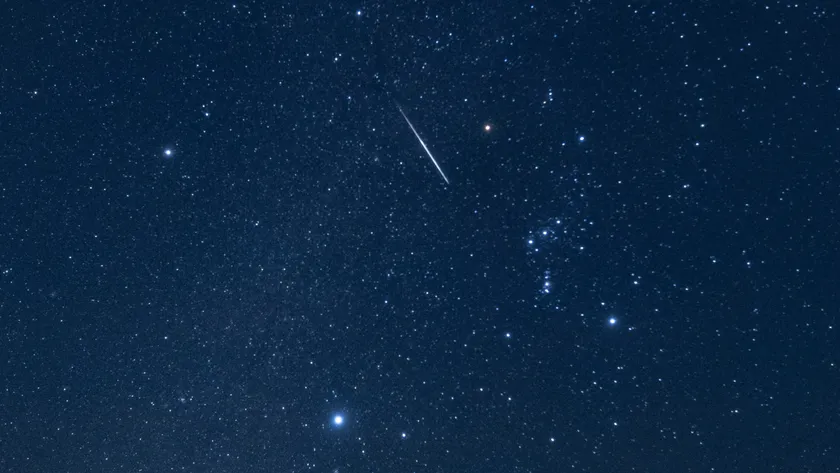
The Orionid meteor shower peaks overnight on Oct. 21-22, bringing a spectacular display of shooting stars to the autumn sky.

The Orionids peak around Oct. 21. Here's when and where to look for the best chance of spotting meteors.

Reference The Northern and Southern Taurid meteor showers bring slow-moving shooting stars and occasional brilliant fireballs to the night sky. Here's when and how to see them in 2026.

The Southern and Northern Taurid meteor showers will produce occasional bright, slow-moving meteors worldwide during October and November, with moon-free peaks in 2026.

Fire erupted in the morning skies over Siberia on June 30, 1908, as an atmospheric explosion occurred that remains unmatched by any similar event in modern history.

Reference The Orionids peak Oct. 21-22, 2026, bringing fast-moving meteors from Halley's Comet. Here's when and where to look.

