





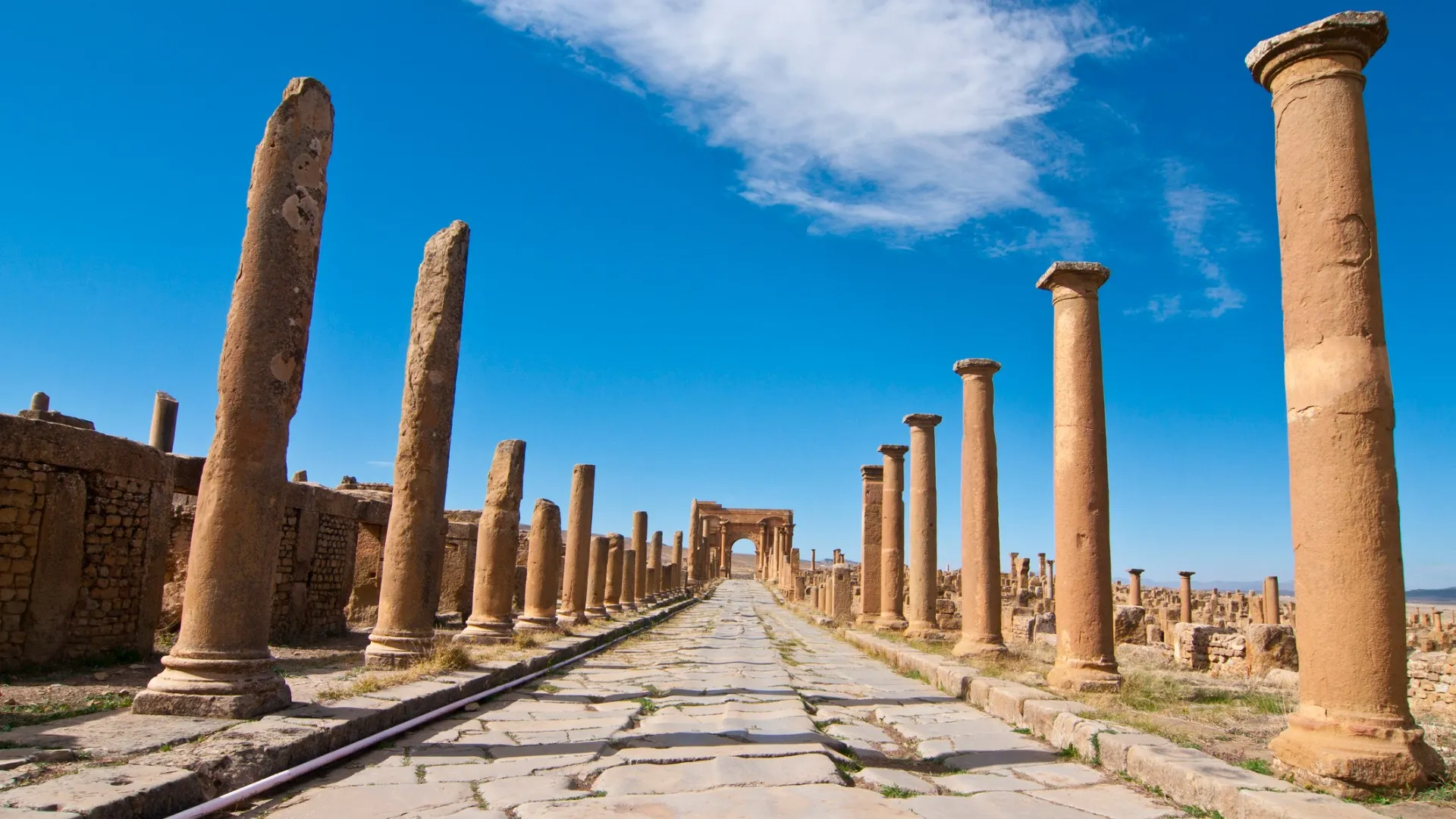
Ancient Egyptian temples will inevitably dominate the story of the total solar eclipse on Aug. 2, 2027.
After all, the path of totality crosses Luxor, home to Karnak, the Valley of the Kings, and some of the ancient world's most famous monuments. But follow the moon's shadow west and another ancient civilization comes into view. Before reaching Egypt, totality will sweep across the Mediterranean and North Africa, passing over an extraordinary collection of Roman cities, fortresses, theaters, temples and triumphal arches. Many lie within what became Rome's North African provinces, a region that produced some of the empire's wealthiest and most impressive cities.
From beachside Baelo Claudia in Spain and military Tamuda in Morocco to Timgad and Djémila in Algeria and the jaw-dropping El Jem Amphitheater in Tunisia, Roman ruins will experience between two and more than five minutes of darkness — creating extraordinary possibilities for eclipse chasers and photographers. Here are some of the best places to watch the moon's shadow cross what was once the Roman Empire. All times, totality durations and historical cloud cover data come from Time and Date.
1. Baelo Claudia, Spain
Location: near Tarifa, Andalucía, Spain
Start of totality and duration: 10:44 a.m. CEST; 4 minutes, 31 seconds
Historical cloud cover: 12%
Altitude of the sun: 37 degrees above east
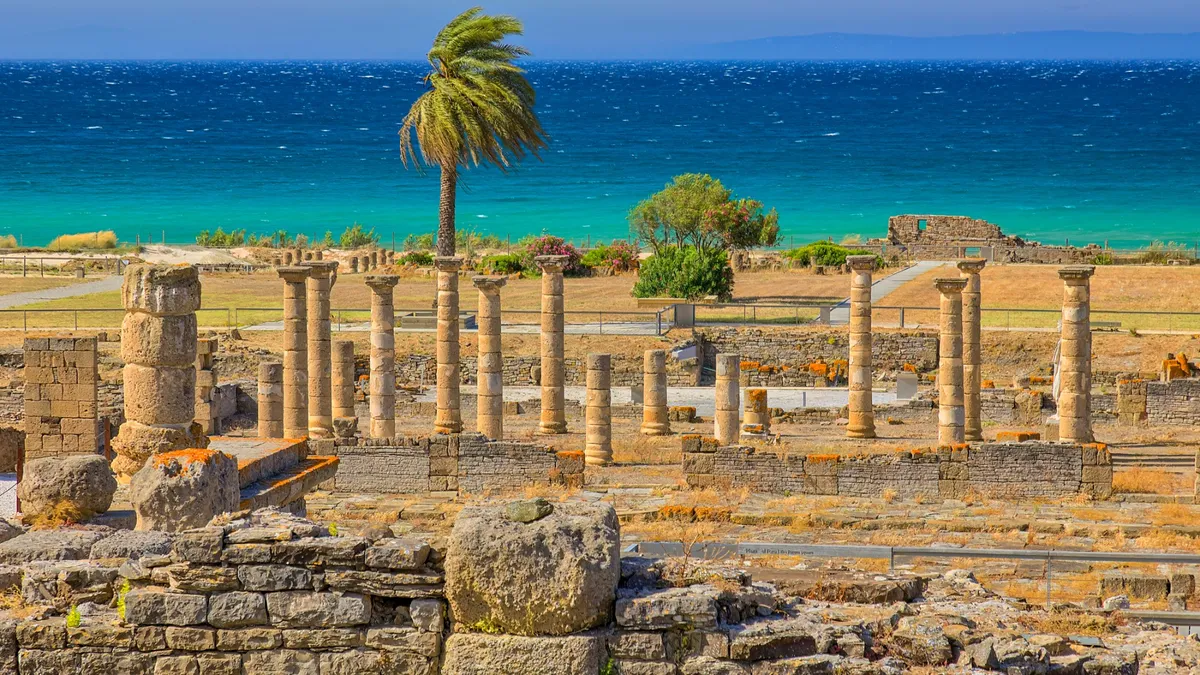
Roman ruins, an Atlantic beach and the mountains of Africa could all share the frame with the eclipsed sun at Baelo Claudia. Founded in the second century B.C., this remarkably well-preserved Roman city near Bolonia beach includes a forum, basilica, theater, temples, baths and a decumanus maximus (east-west street), all set against forested hills and a vast coastal sand dune. For photographers, the possibilities are exceptional — columns and temples may provide an ancient foreground, while wider compositions could incorporate the beach and dunes. On particularly clear days, Morocco is visible across the Strait of Gibraltar — potentially putting Roman ruins, two continents and a total solar eclipse into one extraordinary scene.
2. Málaga Roman Theatre, Spain
Location: Málaga, Spain
Start of totality and duration: 10:48 a.m. CEST; 1 minute, 57 seconds
Historical cloud cover: 9%
Altitude of the sun: 39 degrees above east
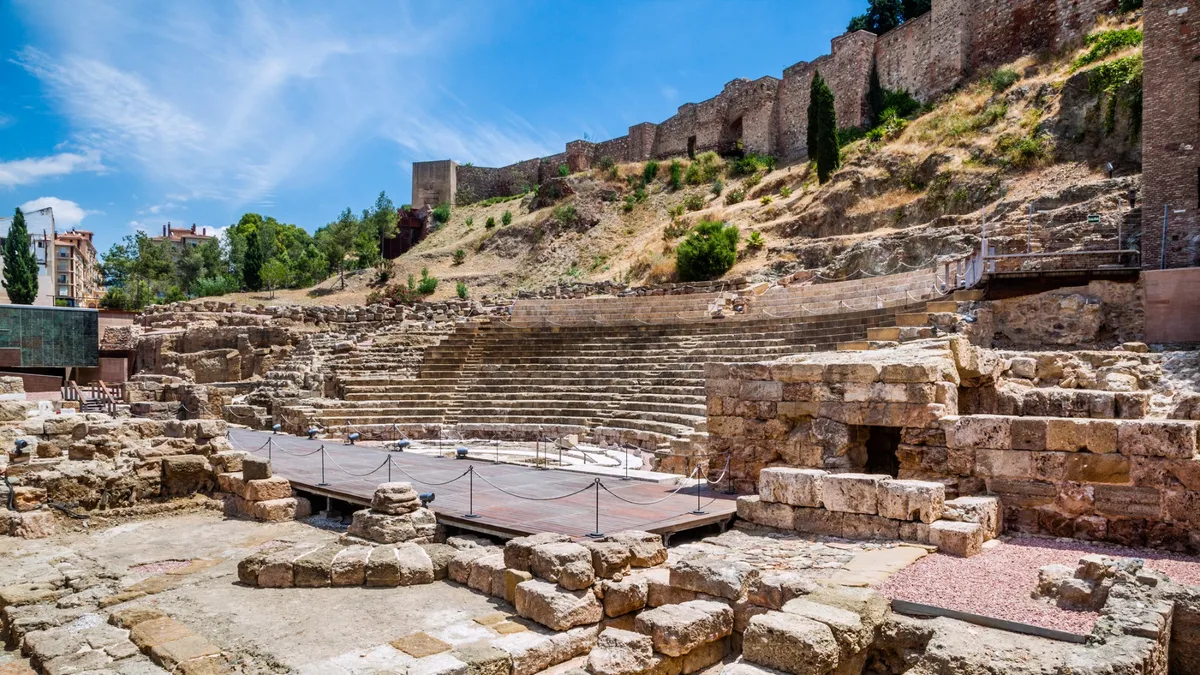
Few eclipse locations can offer two civilizations in the same photograph. Málaga's Roman Theatre was built in the first century B.C., when the city was part of the Roman province of Hispania, and today sits directly beneath the Alcazaba, the imposing Muslim-era palace-fortress that dominates the hillside above. Although its totality is considerably shorter than locations farther south, the photographic possibilities are compelling. From a carefully chosen position, it may be possible to frame the darkened sun with the theater's ancient stonework and the walls of the Alcazaba rising behind it. Another major advantage for eclipse chasers is that this extraordinary historical setting sits in the heart of Málaga, making it one of the most accessible ancient sites on the path of totality.
3. Tamuda, Morocco
Location: Tétouan, Morocco
Start of totality and duration: 08:45 a.m. GMT; 4 minutes, 51 seconds
Historical cloud cover: 14%
Altitude of sun: 38 degrees above east-southeast
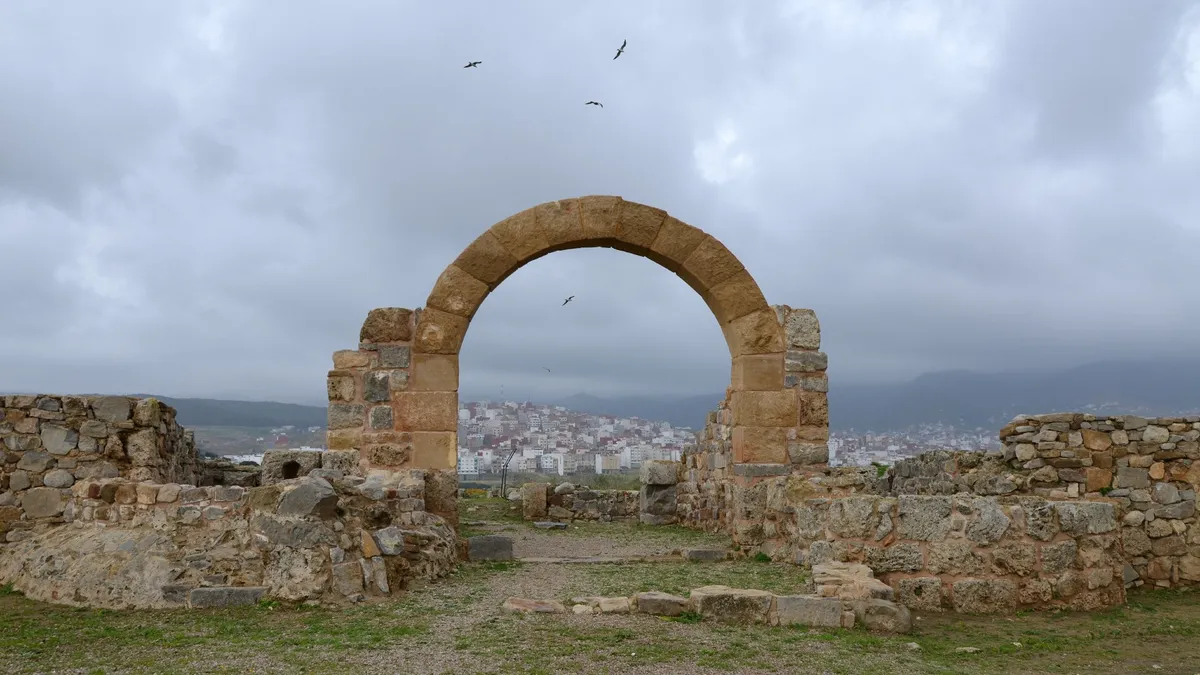
Long before the Romans arrived in northern Morocco, Tamuda was already a thriving Mauretanian settlement. Founded around the third century B.C. in the Martil Valley, near modern Tétouan, the Romans established a fortified military camp here in the first century A.D., whose massive stone walls remain the defining feature of this archaeological site. Tamuda combines long totality, promising weather and an atmospheric archaeological foreground — yet remains far less famous than the Roman sites across the Strait of Gibraltar.
4. Timgad, Algeria
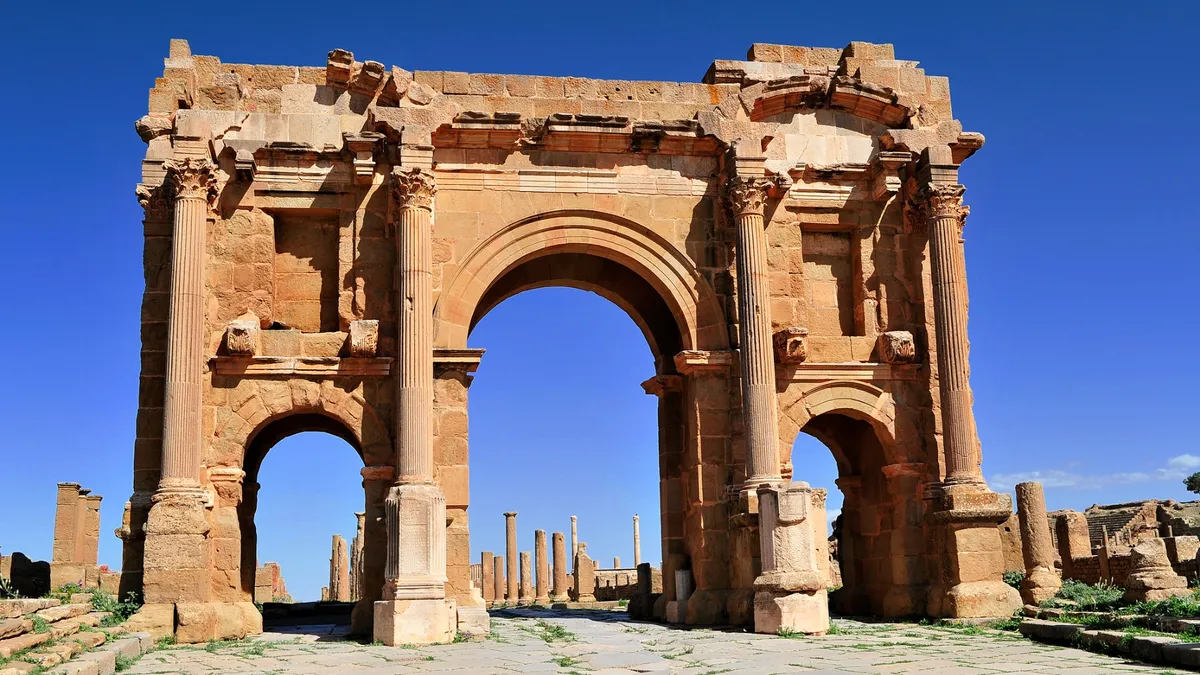
Location: near Batna, Algeria
Start of totality and duration: 10:01 a.m. CET; 5 minutes, 20 seconds
Historical cloud cover: 5%
Altitude of sun: 51 degrees above east-southeast
Few places in the 2027 path of totality combine ancient architecture and long totality quite like Timgad. Founded around A.D. 100 as the Roman colony of Thamugadi, this remarkably well-preserved city sits on an open plateau at the foot of Algeria's Aurès Mountains. Its grid of streets, forum, theater, temples, baths and columns survives alongside its most famous monument, the three-arched gateway traditionally known as the Arch of Trajan. A relatively high sun will make close architectural compositions challenging, but Timgad's wide-open site provides plenty of possibilities for carefully planned wide-angle images.
5. Lambaesis, Algeria
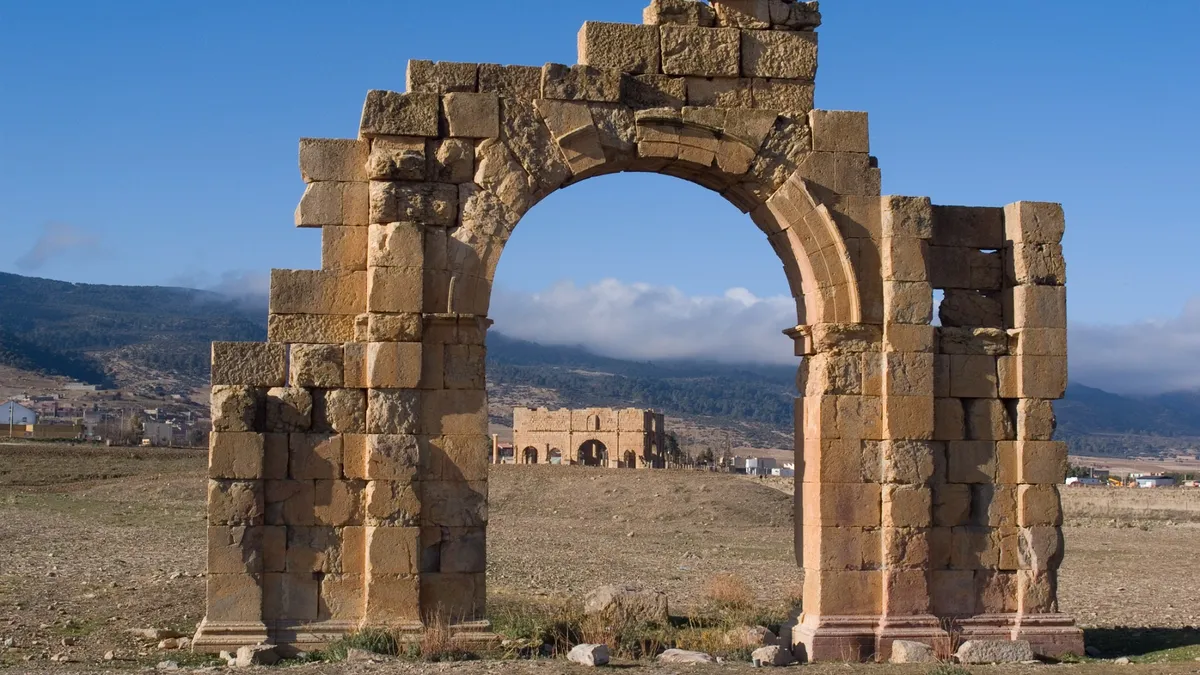
Location: near Batna, Algeria
Start of totality and duration: 10:01 a.m. CET; 5 minutes, 20 seconds
Historical cloud cover: 5%
Altitude of sun: 51 degrees above east-southeast
Just 12—15 miles (20—25 km) west of Timgad lies its military counterpart. Lambaesis was the principal base of Rome's Legio III Augusta, the legion that helped secure Rome's African Empire. Rather than an entire gridded colonial city, the attraction here is monumental military architecture, most notably the imposing remains of the heart of the fortress. The eclipse circumstances are almost identical to nearby Timgad, with more than five minutes of totality and historically excellent prospects for clear skies. Scout both sites beforehand, study where the sun will stand above the ruins, and decide which offers the strongest alignment — and the easiest access — on eclipse morning.
6. Djémila, Algeria
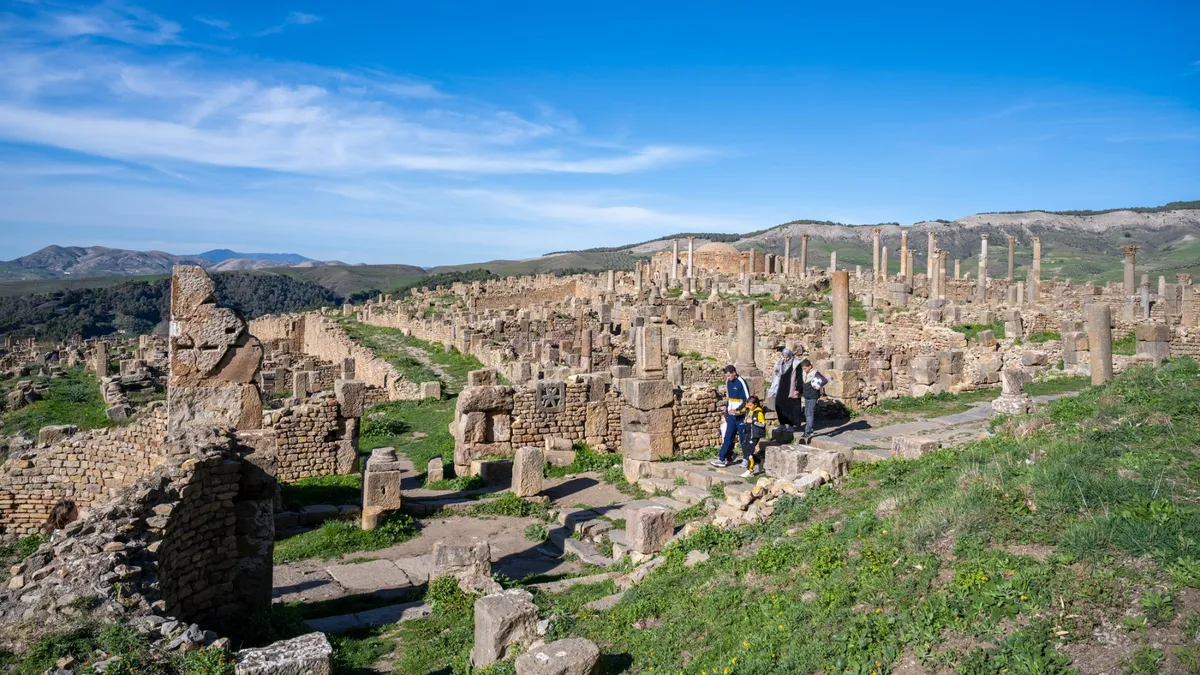
Location: Djémila, Algeria
Start of totality and duration: 10:02 a.m. CET; 2 minutes, 2 seconds
Historical cloud cover: 11%
Altitude of eclipsed sun: 50 degrees above east-southeast
Djémila trades a long eclipse for one of the most spectacular settings on the path of totality. Known to the Romans as Cuicul, this exceptionally well-preserved city was built in mountainous terrain around 2,950 feet (900 meters) above sea level — an unusual setting for a Roman settlement — and its ruins include temples, forums, houses, baths, arches and a theater. The surrounding green hills and mountains give eclipse photographers a very different backdrop from the flatter, more arid landscapes farther south. The catch is totality, which is significantly shorter than at other Roman ruins.
7. Sbeitla, Tunisia
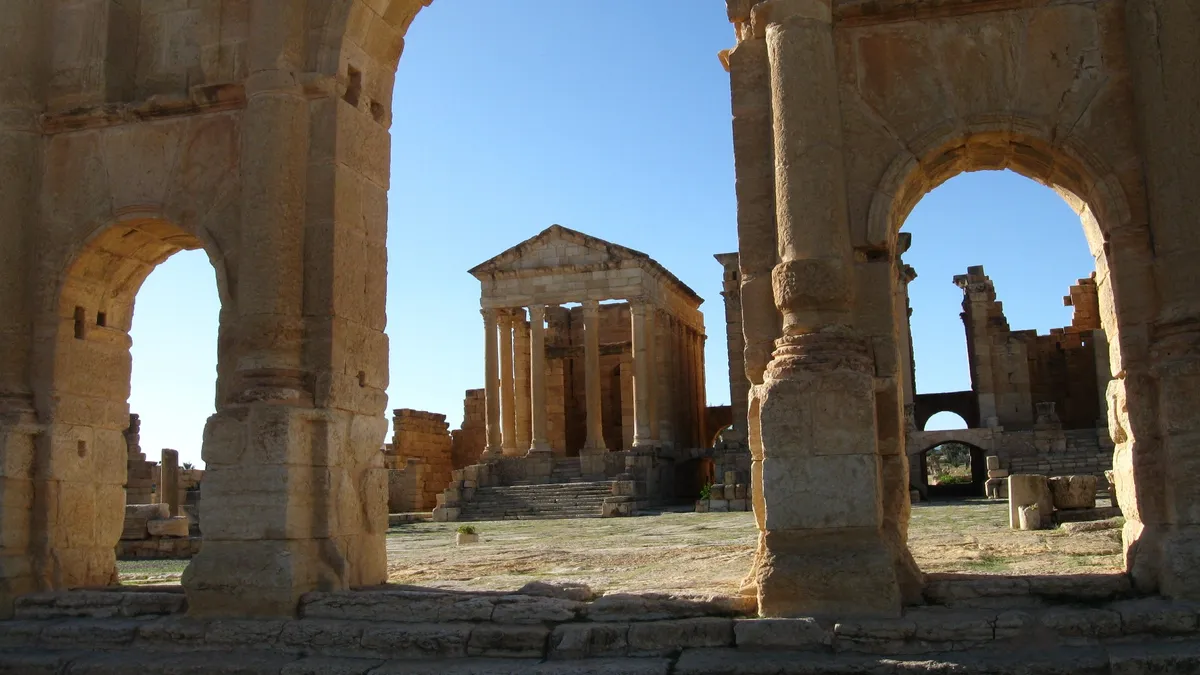
Location: Kasserine, Tunisia
Start of totality and duration: 10:06 a.m. CET; 5 minutes, 19 seconds
Historical cloud cover: 4%
Altitude of sun: 54 degrees above east-southeast
Sbeitla could be one of the great archaeological settings for the 2027 eclipse. Known in Roman times as Sufetula, the city prospered under Roman rule and today contains some of Tunisia's most impressive ancient ruins. Its centerpiece is an unusual group of three remarkably well-preserved temples dedicated to Jupiter, Juno and Minerva, standing above the forum and reached through the monumental Arch of Antoninus Pius. That high sun will require some careful positioning and probably a wide-angle composition, but eclipse photographers will have an extraordinary collection of arches, columns and temples to use as foregrounds.
8. El Jem Amphitheater, Tunisia
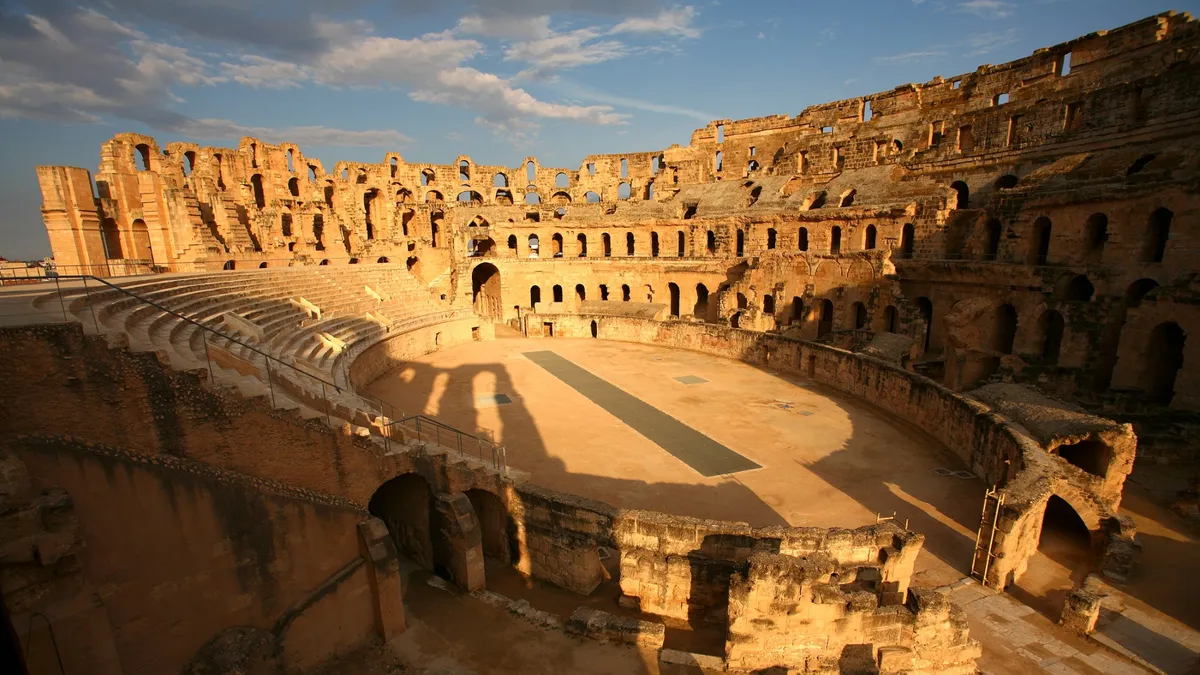
Location: El Djem, Tunisia
Start of totality and duration: 10:09 a.m. CET; 4 minutes, 23 seconds
Historical cloud cover: 2%
Altitude of eclipsed sun: 56 degrees above east-southeast
It may be the third-largest and one of the best-preserved Roman amphitheaters in the world, but El Jem offers another reason to consider it for totality. Unlike Rome's Colosseum — which it closely resembles — visitors can explore its multi-tiered seating, climb high into the surviving structure for panoramic views and visit the underground passages once used by gladiators and animals. Built around A.D. 238, El Jem combines one of Rome's greatest surviving monuments with some of the most promising eclipse conditions on the entire track.