


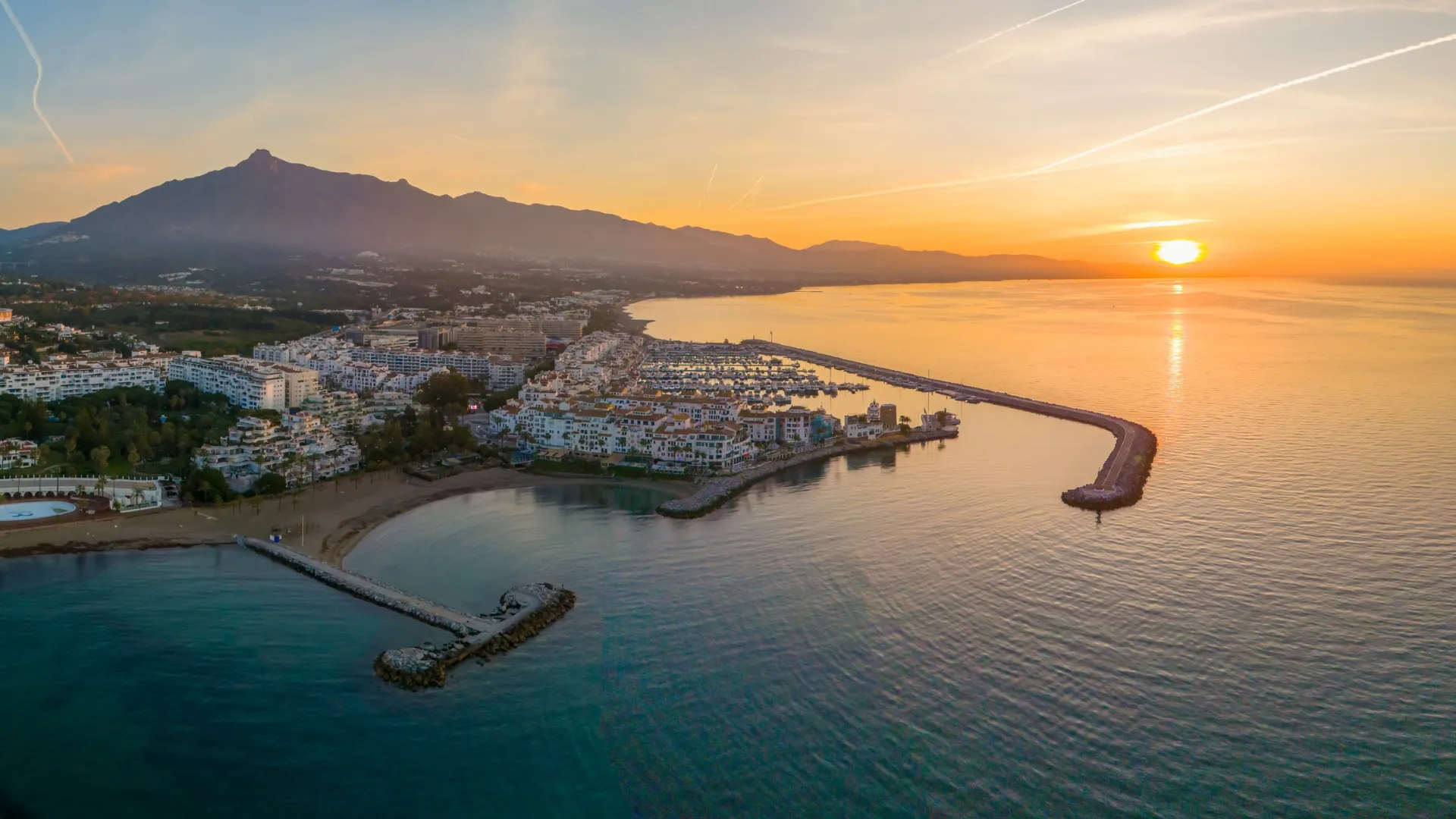
Spain is one of the easiest places in the world to experience the total solar eclipse on Aug. 2, 2027. The so-called "eclipse of the century" first makes landfall in Andalucía, where totality will last up to 4 minutes and 40 seconds during mid-morning, with the sun comfortably high at around 38-42 degrees above the horizon in the eastern sky. Excellent roads, plentiful accommodation and Málaga's international airport make this an obvious alternative to North Africa and the Middle East.
However, choosing where to watch requires some thought. Southern Spain's narrowing shape funnels the path toward the Strait of Gibraltar, potentially concentrating huge numbers of eclipse chasers around Tarifa, the Costa del Sol and the British Overseas Territory of Gibraltar during the peak summer holiday season.
From busy Mediterranean beaches to mountain villages, here's where to see the total solar eclipse on Aug. 2, 2027 in southern Spain. All times, totality durations and historical cloud cover data come from Time and Date.
1. Tarifa
Location: Cádiz province
Start of totality and duration: 10:45 a.m. CEST; 4 minutes, 40 seconds
Historical August cloud cover: 13%
Altitude of the sun: 38 degrees above east
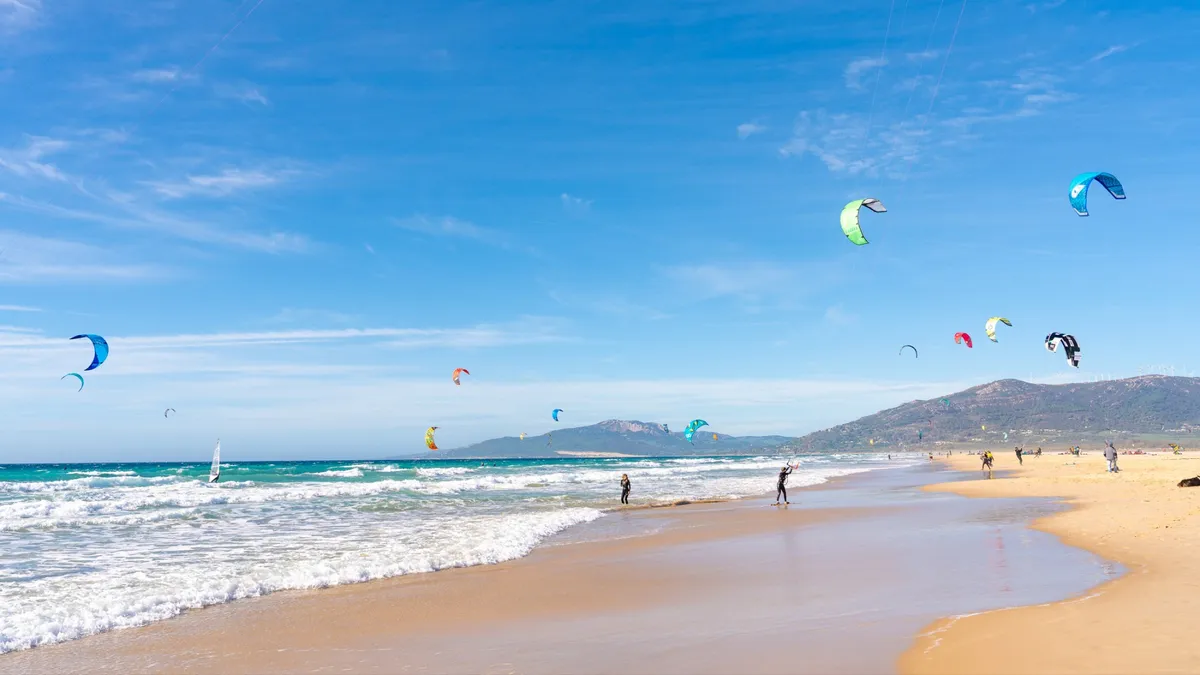
At the southernmost tip of mainland Europe, where the Atlantic Ocean meets the Mediterranean Sea, Tarifa is likely to be one of the country's busiest eclipse-watching locations because it will experience the longest totality in mainland Spain. Just 9 miles (14 km) across the Strait of Gibraltar from Morocco, the historic port town is known for its whitewashed old town, the medieval Castle of Guzmán el Bueno and its long, sandy beaches. Los Lances and Valdevaqueros offer wide horizons and plenty of open space.
2. Gaucín
Location: Málaga province, Andalucía, Spain
Start of totality and duration: 10:46 a.m. CEST; 3 minutes, 13 seconds
Historical August cloud cover: 5%
Altitude of the sun: 38 degrees above east
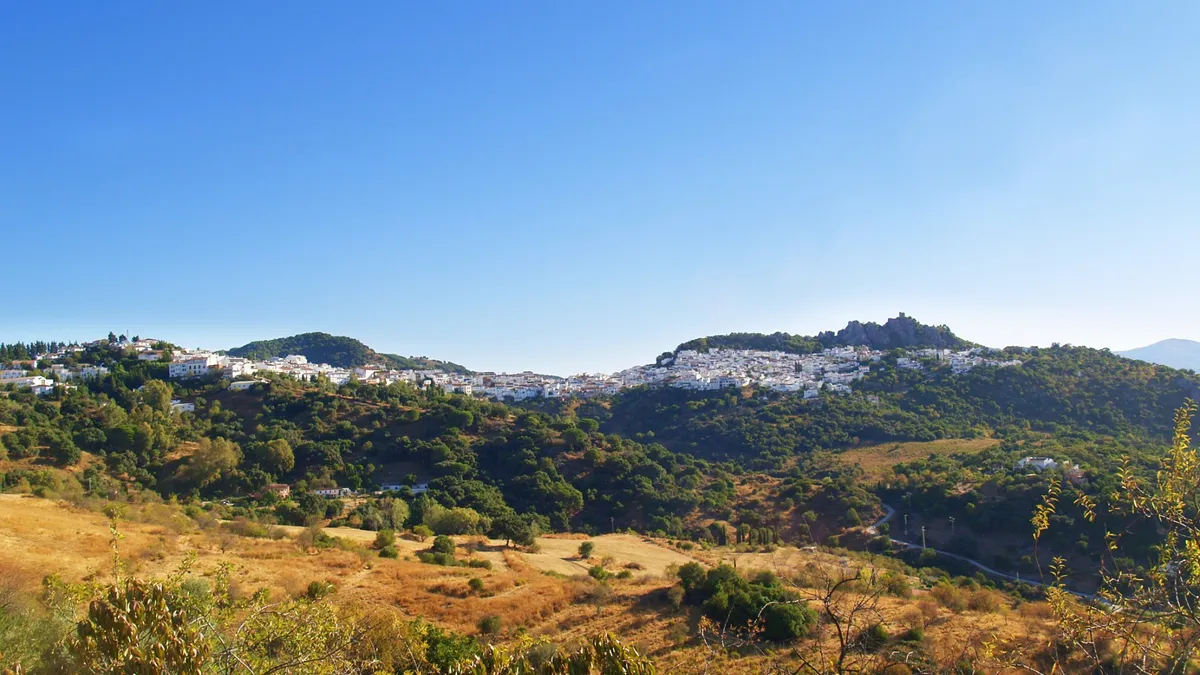
For eclipse chasers who would rather head into the mountains than join the crowds on the Costa del Sol, Gaucín is an intriguing alternative. One of Andalucía's classic pueblos blancos, the whitewashed village occupies a spectacular position in the mountains above the coast, crowned by the ruins of Castillo del Águila. Its elevated setting offers sweeping views across the surrounding countryside towards Gibraltar and, on clear days, the mountains of North Africa. Crucially, heading inland doesn't sacrifice too much totality.
3. Gibraltar
Location: Gibraltar
Start of totality and duration: 10:45 a.m. CEST; 4 minutes, 29 seconds
Historical August cloud cover: 17%
Altitude of the sun: 38 degrees above east
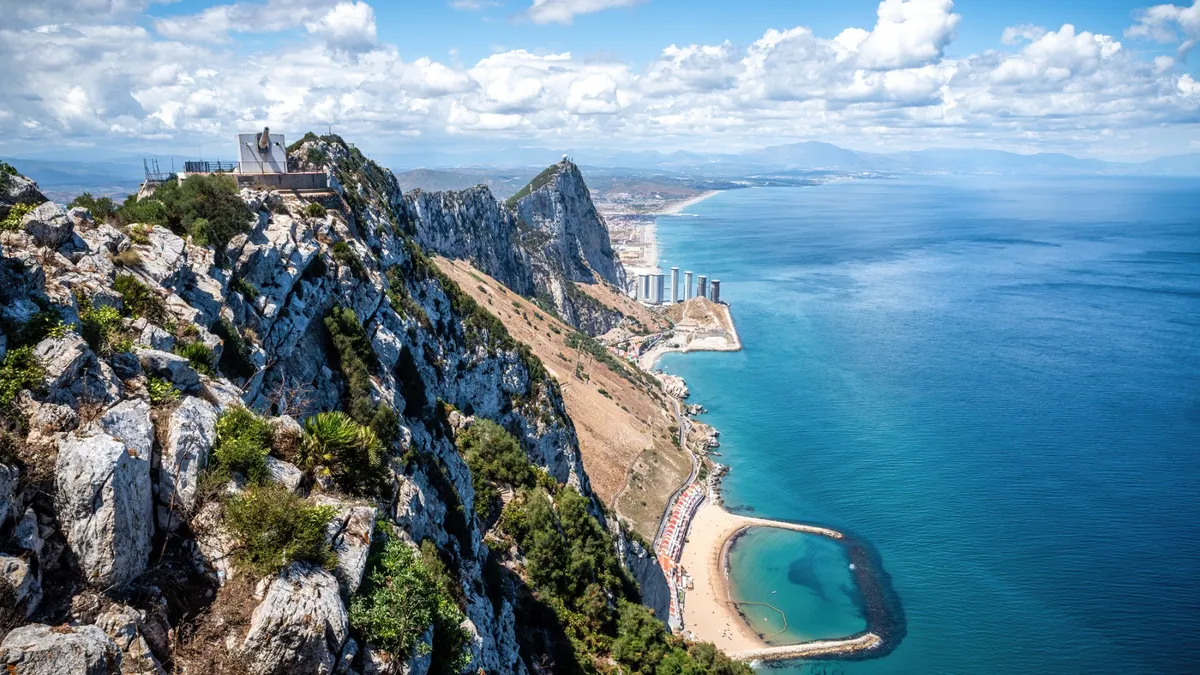
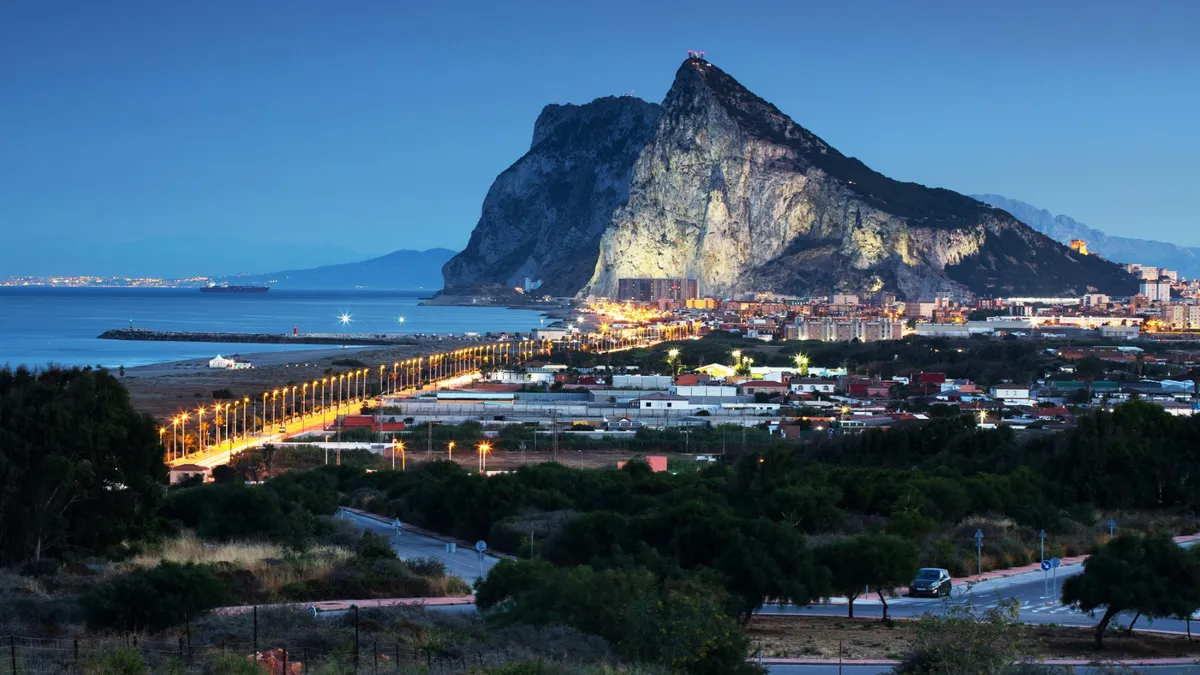
Few places in Europe could provide a more dramatic setting for totality than Gibraltar, the tiny British Overseas Territory dominated by its famous 1,398-foot (426-meter) limestone Rock. However, eclipse chasers will need to view either from The Rock or its east coast, where elevated viewpoints and beaches face the Mediterranean and the eclipsed sun. However, Gibraltar has a potential complication — the easterly Levanter wind can create a distinctive cap of cloud over the Rock even when surrounding skies are clear. Another issue is accommodation, which is already at a premium. See Gibraltar Eclipse 2027.
4. La Línea de la Concepción
Location: Cádiz province
Start of totality and duration: 10:45 a.m. CEST; 4 minutes, 24 seconds
Historical August cloud cover: 17%
Altitude of the sun: 38 degrees above east
Immediately north of Gibraltar, La Línea de la Concepción occupies the sandy isthmus between the Bay of Gibraltar and the Mediterranean Sea. Its location creates one of Spain's most distinctive possibilities for eclipse photography. On the Mediterranean side, Playa de Santa Bárbara is a wide sandy beach north of the border, with the immense Rock of Gibraltar rising to the south — a potentially spectacular foreground. The city has around 9 miles (14 kilometers) of coastline, providing plenty of alternatives for eclipse viewing.
5. Estepona
Location: Costa del Sol, Málaga province
Start of totality and duration: 10:46 a.m. CEST; 3 minutes, 41 seconds
Historical August cloud cover: 7%
Altitude of the sun: 38 degrees above east
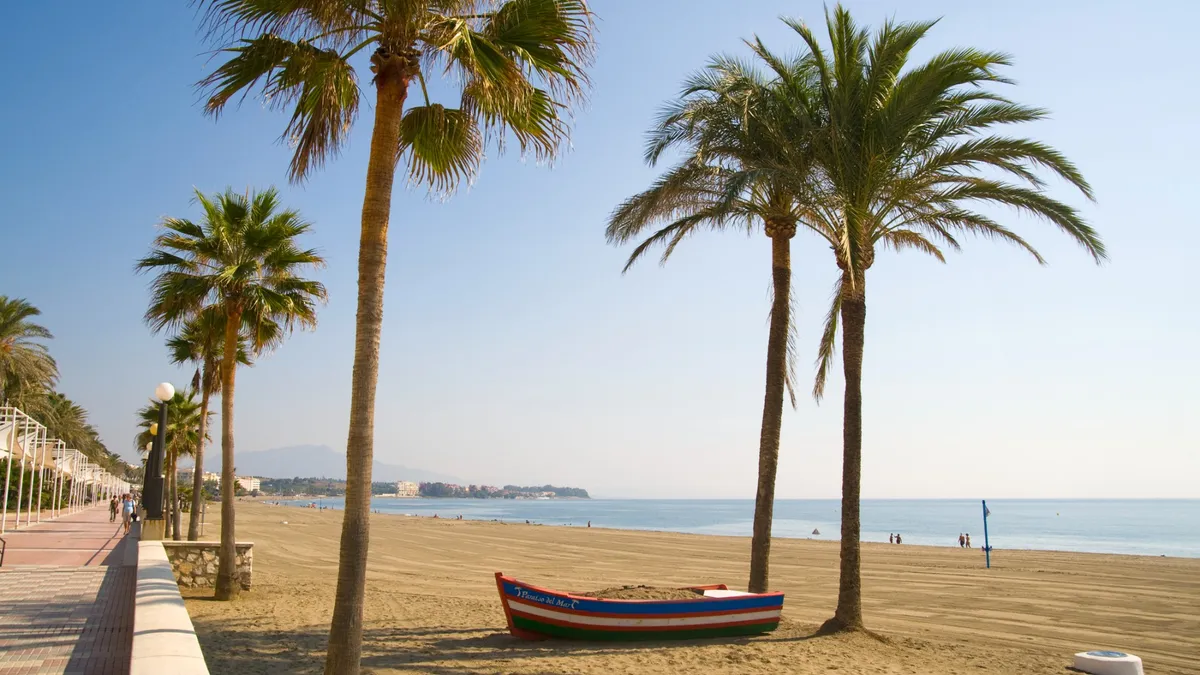
About an hour's drive southwest of Málaga Airport, Estepona is one of the Costa del Sol's most attractive resort towns, with a pedestrianized old quarter of whitewashed streets, colorful flowerpots and squares centered on Plaza de las Flores. For eclipse day, the mile-long Playa de la Rada is the obvious gathering place, with its broad Mediterranean horizon and proximity to the town center. Other attractions include Estepona Marina and the Sierra Bermeja mountains rising behind the coast.
6. Cádiz
Location: Cádiz province
Start of totality and duration: 10:45 a.m. CEST; 2 minutes, 56 seconds
Historical August cloud cover: 13%
Altitude of the sun: 37 degrees above east
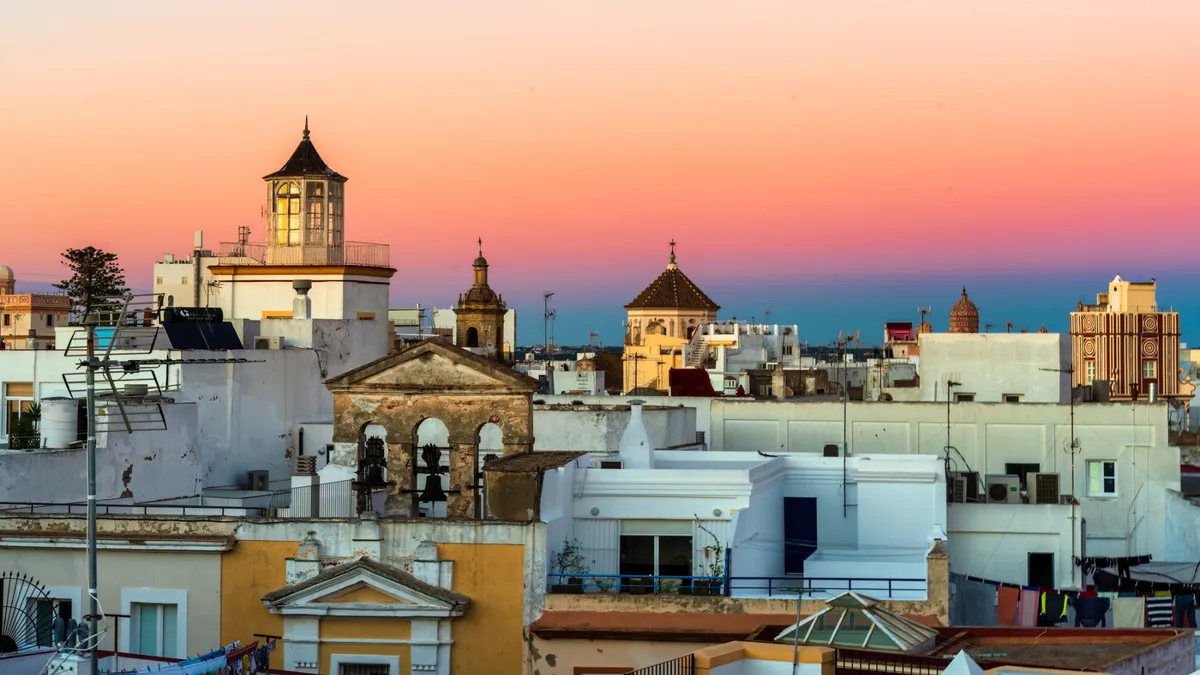
Historic Cádiz occupies a narrow peninsula jutting into the Atlantic and is packed with reminders of its long maritime past, including the Cádiz Cathedral, the Roman Theatre and Torre Tavira, one of more than 100 watchtowers once used to spot approaching ships. For eclipse day, the long, sandy Playa de la Victoria offers plenty of open space, while La Caleta provides a more historic setting between two coastal castles.
7. Málaga
Location: Málaga province
Start of totality and duration: 10:48 a.m. CEST; 2 minutes
Historical August cloud cover: 9%
Altitude of the sun: 39 degrees above east
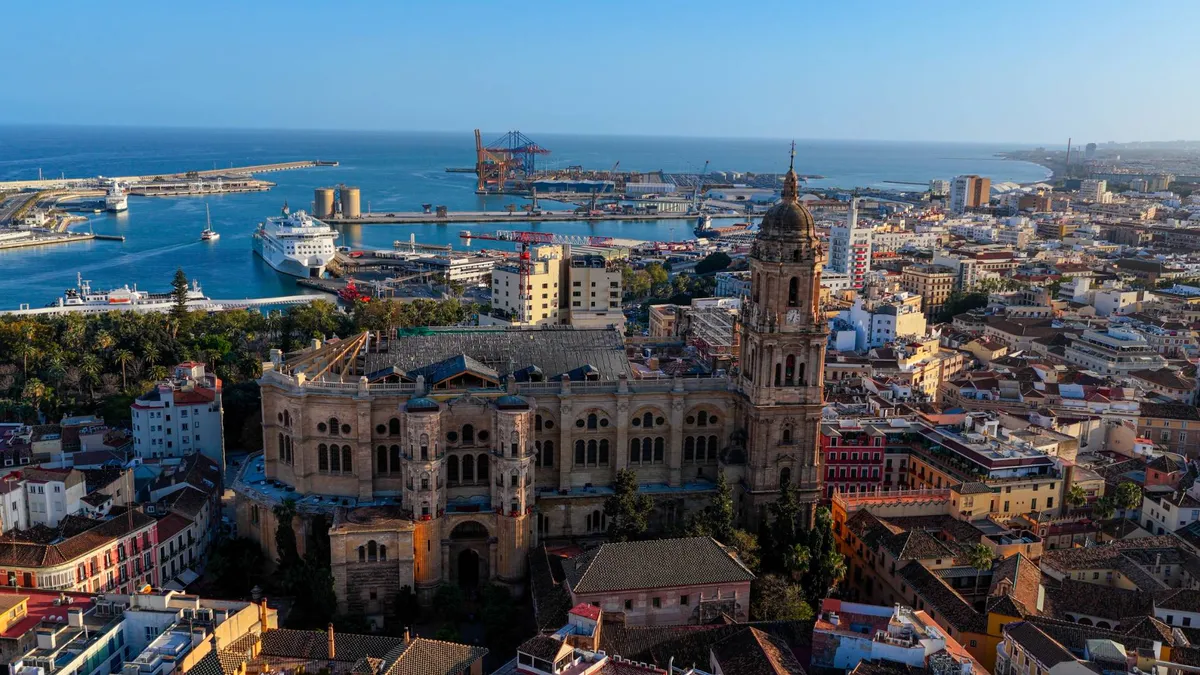
Málaga may lose some duration compared with locations farther west, but it makes up for it with excellent transport links, plentiful accommodation and all the attractions of a major Mediterranean city. It combines the hilltop Gibralfaro Castle and Moorish Alcazaba with a Roman theatre, cathedral, museums and a lively historic center. For eclipse day, the obvious option is the coast. La Malagueta beach is within walking distance of the city center, while numerous beaches extend east and west along the Costa del Sol.
8. Torremolinos
Location: Málaga province
Start of totality and duration: 10:47 a.m. CEST; 2 minutes, 46 seconds
Historical August cloud cover: 11%
Altitude of the sun: 39 degrees above east
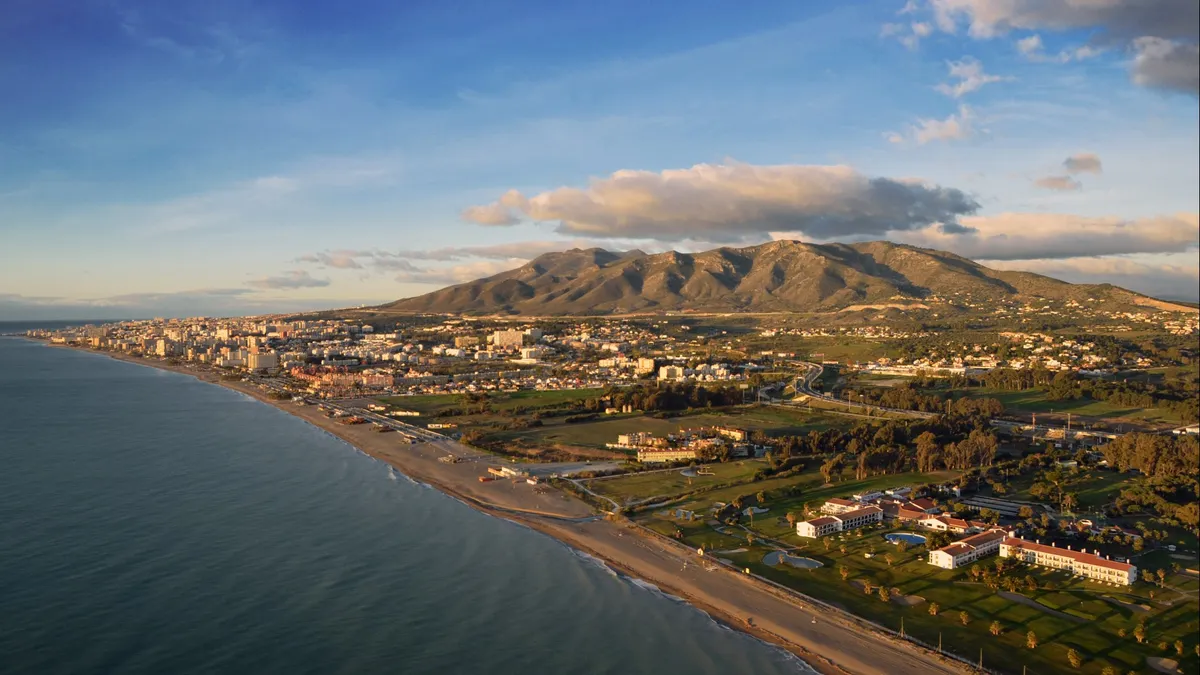
One of the best-known resorts on Spain's Costa del Sol, Torremolinos combines a long Mediterranean beachfront with easy access to Málaga and its international airport. Its 4-mile (6-kilometer) promenade links broad sandy beaches, including Playa del Bajondillo and Playa de la Carihuela, offering plenty of potential eclipse-watching spots with views toward the eastern sky. For a higher vantage point, nearby Mount Calamorro rises almost 2,600 feet (800 meters) above Benalmádena, with panoramic views across the Costa del Sol and, on clear days, towards Gibraltar and North Africa.
9. Marbella
Location: Costa del Sol, Málaga province
Start of totality and duration: 10:46 a.m. CEST; 3 minutes, 21 seconds
Historical August cloud cover: 7%
Altitude of the sun: 38 degrees above east
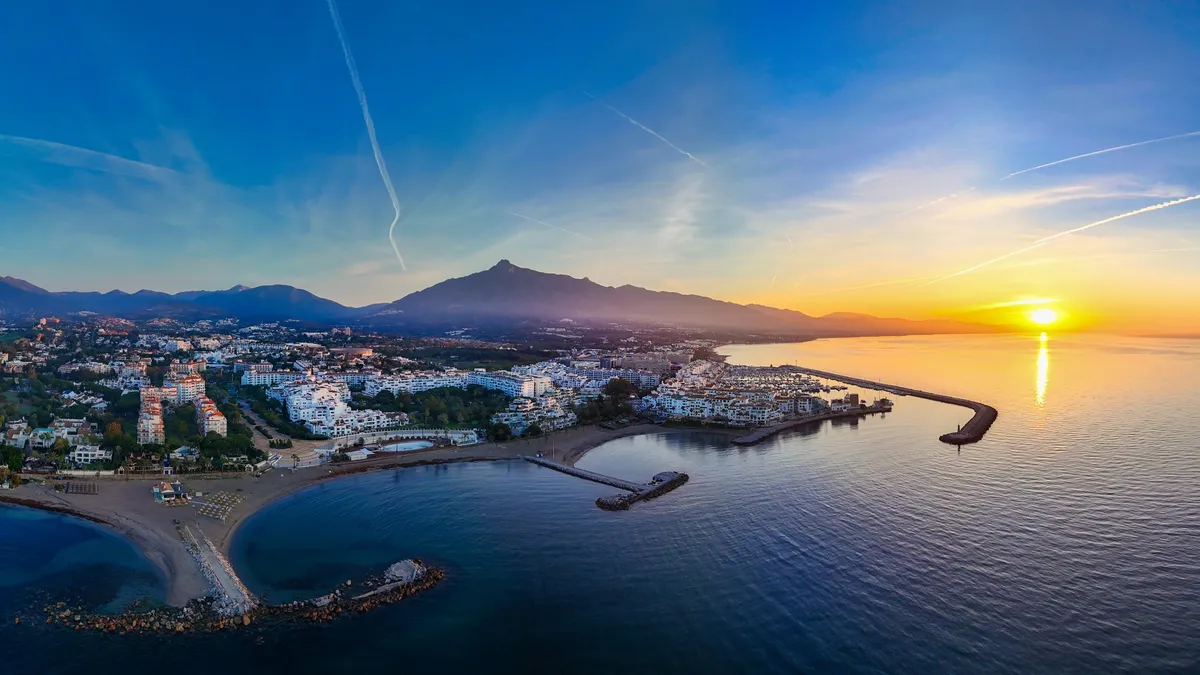
Marbella has around 17 miles (27 kilometers) of Mediterranean coastline, so eclipse chasers will have dozens of beaches to choose from, from San Pedro de Alcántara in the west to Cabopino in the east. Options include the sandy beaches and dunes around Cabopino, Las Chapas, Puerto Banús and San Pedro de Alcántara, all with open views across the Mediterranean. Away from the beach, Marbella offers a whitewashed old town centered on Plaza de los Naranjos, while the Sierra Blanca mountains provide a dramatic backdrop to the resort.
10. Motril
Location: Costa Tropical, Granada province
Start of totality and duration: 10:49 a.m. CEST; 1 minute, 57 seconds
Historical August cloud cover: 10%
Altitude of the sun: 39 degrees above east
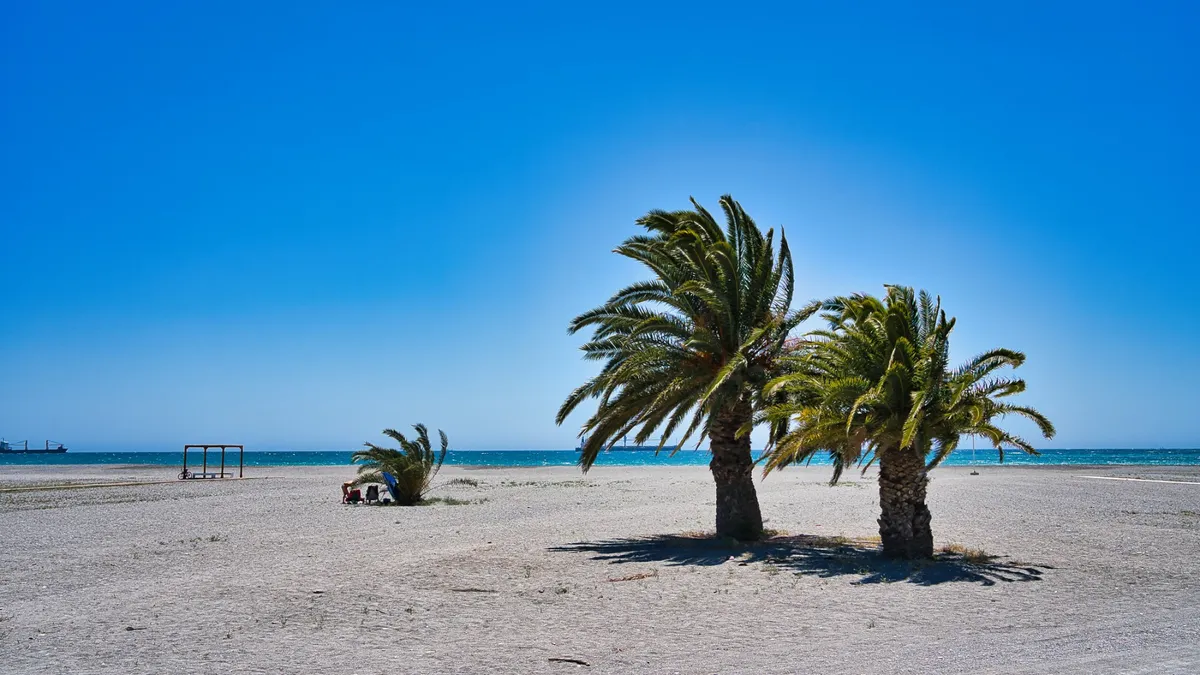
Close to the northern edge of the path of totality, Motril gets a shorter eclipse than destinations farther west, but could be among the quieter places on Spain's Mediterranean coast from which to experience it. The largest town on Granada's Costa Tropical sits between the Mediterranean and the foothills of the Sierra de Lújar, with the Sierra Nevada rising beyond. Nearby Playa Granada and Playa Poniente offer broad coastal views.