





On Aug. 6, 2012, NASA's Curiosity rover successfully touched down on the Martian surface.
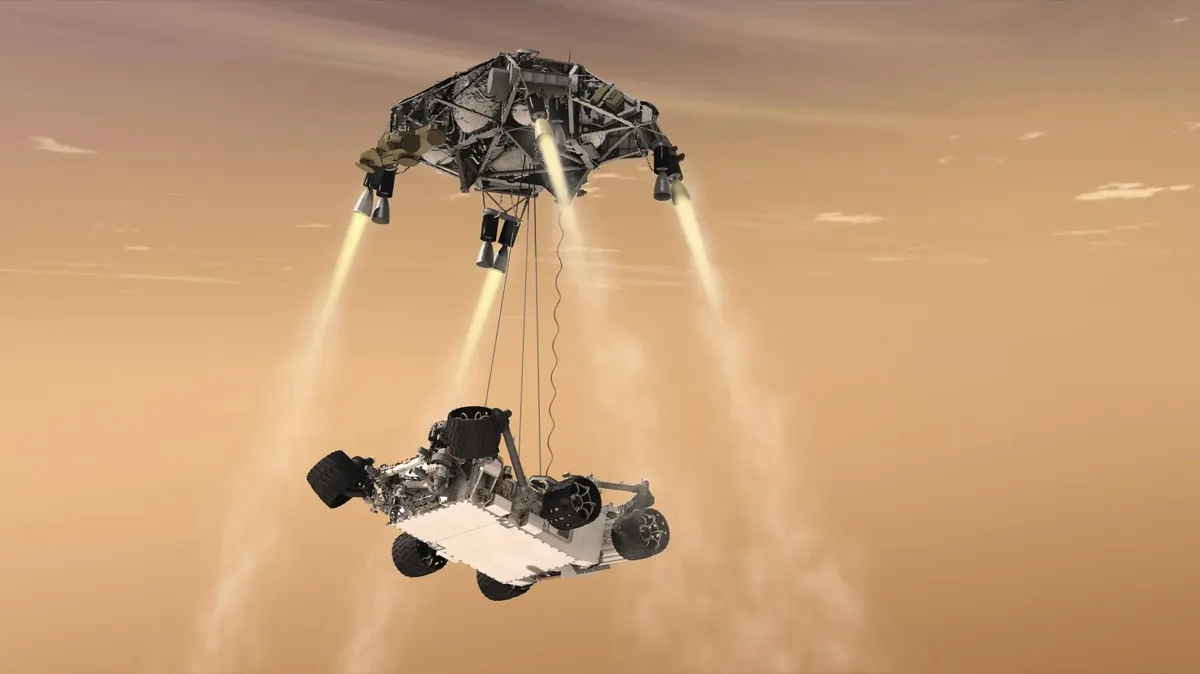
At the time, the Curiosity rover was the biggest and most ambitious Mars rover that NASA ever launched. Its landing involved a new kind of maneuver that had never been tried before using something called a "sky crane." Like previous rovers that have landed on Mars, Curiosity used a parachute and rocket engines to slow down as it descended through the Red Planet's atmosphere.
But while other rovers used airbags to cushion the last part of the fall, Curiosity's rocket-propelled sky crane hovered over the ground and gently lowered it with cables. Touchdown was confirmed at 1:31 a.m. EDT (0531 GMT), though it was 10:31 p.m. PDT on Aug. 5 at Curiosity's JPL control room.


Why it mattered
The Curiosity Mars rover was built by engineers and scientists at NASA's Jet Propulsion Laboratory in Pasadena, California. The space center's motto is ambitious: "Dare Mighty Things." With Curiosity, JPL may have dared more mightily than it ever had before.
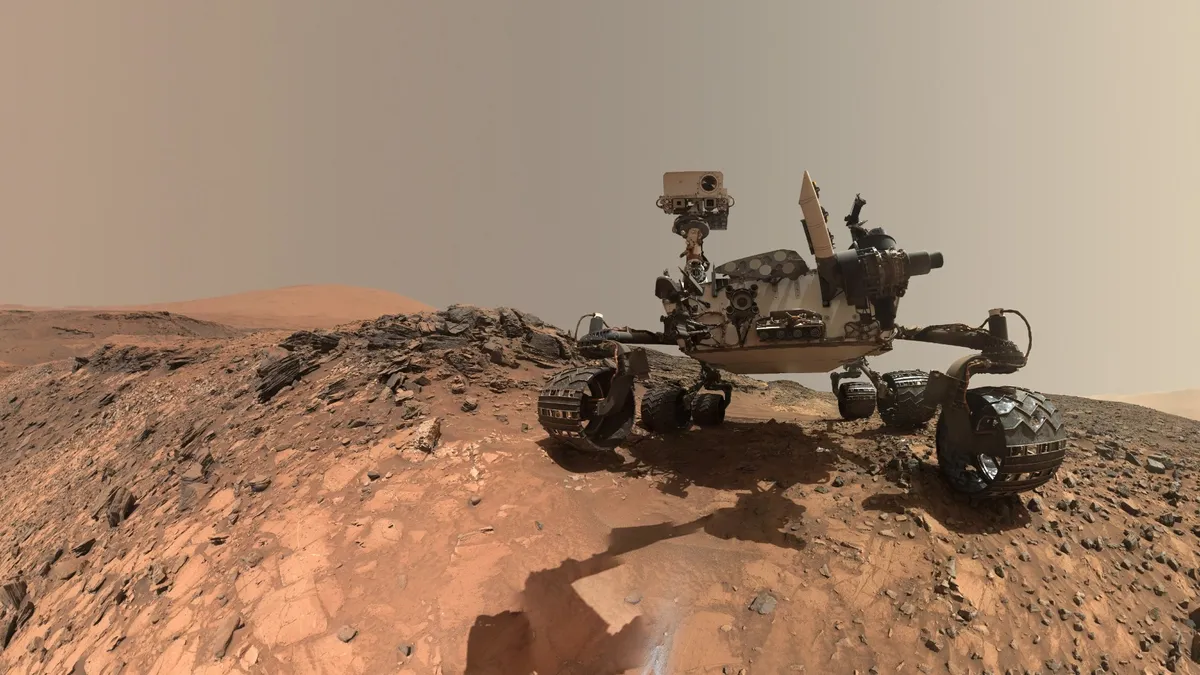
First, there's the rover's immense size. It weighs nearly 1 ton on Earth and is the size of a small car. It's powered by a nuclear battery and was the first of a new family of massive rovers to land on Mars. The sky crane landing approach was a big departure from the direct touchdowns of the Viking landers, as well as the bouncy airbag landings of the Mars Pathfinder, Spirit and Opportunity missions.
It all had to go right autonomously during a time NASA called the "7 minutes of terror" — the time it took for the landing, which would happen faster than the rover could get instructions from flight controllers on Earth due to the signal travel time to reach Mars. And it all worked spectacularly.
Curiosity not only aced its landing at Gale Crater on Mars, but it changed Mars landings forever. NASA repeated the feat nine years later with the successful landing of the Perseverance rover at Jezero Crater on Mars in February 2021. Curiosity and Perseverance are the largest rovers ever to explore Mars and set a new benchmark for what is possible on other planets.
As of this writing, Curiosity has spent 14 years exploring Mars, drilling into rocks and finding new clues about water on Mars and the planet's potential habitability in the ancient past. It's still going strong, even if it got a rock stuck on its drill for a few days earlier this year.
Want more space history? Check out our full On This Day In Space Story archive and watch our On This Day In Space videos on YouTube.
