


When you're out exploring the universe, what kind of music should you listen to?
The answer is very personal to the spaceflyer, the culture and perhaps even the decade when they flew — but what is true to say of all eras is there is a heck of a lot of great space music out there. Some even were played in space, like this list of NASA wakeup songs for astronauts, or this playlist from the Voyager mission Golden Record that eventually left our solar system.
It's hard to pick favorites and even more difficult to build a list of suggestions, but we've done our best. In 2011, the Space.com staff came up with a few favorites and now we have updated that top pick list for the 2020s. Below, we also added a huge table with space music over the decades, based on our research.
A couple of cautions here. Our staff is North American and European and as such, we stuck with English-language songs or instrumental songs so as not to make any cultural mistakes. But we'd love to hear your suggestions for international music in the forum.
We also tried to stick with songs that are family-friendly, but we advise that parents should prescreen this list of music before showing these selections to their kids.
Enjoy these selections!
1) Space Oddity cover by astronaut Chris Hadfield (2013)

In 2013, then-International Space Station commander Chris Hadfield released this famous space tune from his home in orbit.
He received permission from original composer David Bowie to perform the work and created an epic video, thanks to the help of fellow crewmates.
Note that Hadfield recorded the whole thing during his limited spare time in space, while running the most scientifically productive crew on the station of the era.
2) Drops of Jupiter by Train (2001)
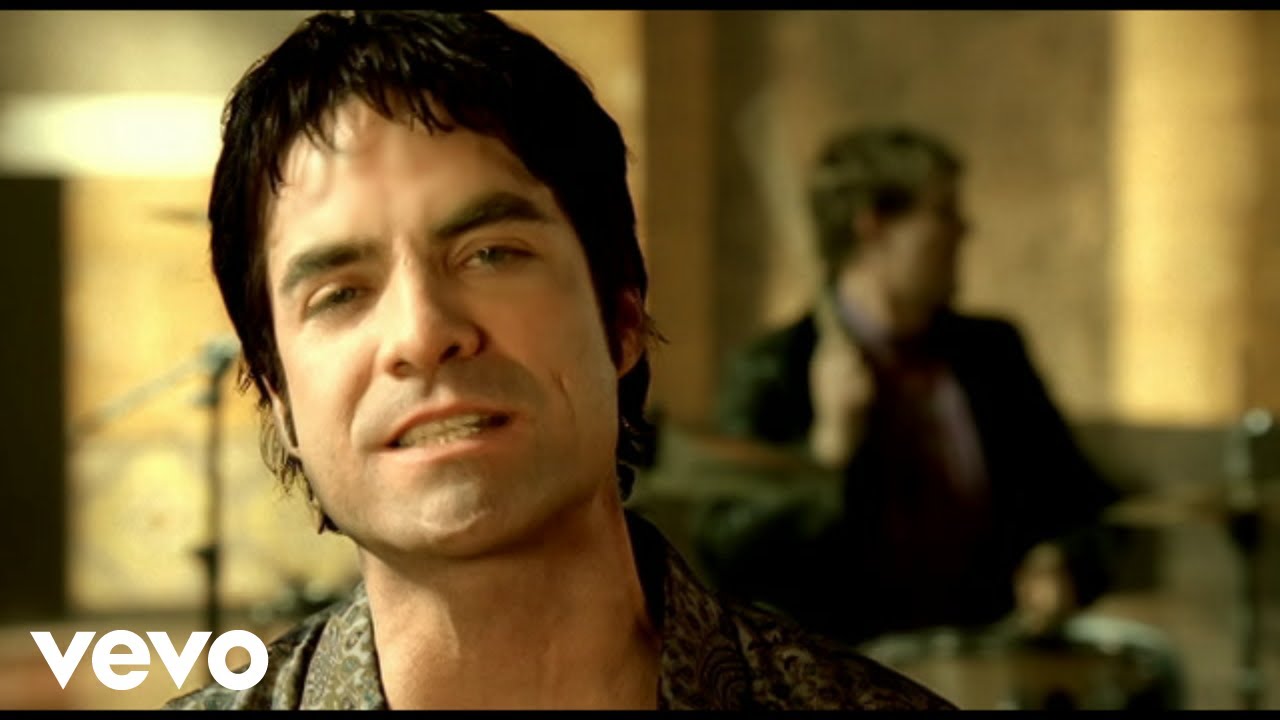
This evocative song could be interpreted as a woman who has just returned from an epic spaceflight, or who has undertaken a spiritual journey that fundamentally changed her viewpoint on the world.
The poetry in this music is very soulful and representative of the "boy bands" singing of their loves in the early 2000s: "Now that she's back in the atmosphere / With drops of Jupiter in her hair / She acts like summer and walks like rain / Reminds me that there's a time to change."
3) We're All Made of Stars by Moby (2002)
There are so many space songs from Moby over the years that, like Bowie, it's hard to pick a single favorite. But this one sticks out thanks to its focus on unifying humanity through realizing we all ultimately come from the same origin story:
"People, they come together / People, they fall apart / And no one can stop us now/ 'Cause we are all made of stars."
4) Just Look Up by Ariana Grande and Kid Cudi (2021)
This song comes from one of the most clever space movies of recent history.
"Don't Look Up" parodies the climate change crisis by showing two astronomers tracking a deadly comet (the scientists are played by Leonardo DiCaprio and Jennifer Lawrence) trying desperately to warn the public and politicians of the impending danger in the age of memes, tweets and TikTok.
Ariana Grande, who plays a musician in the film, helps deliver this powerful piece at a stadium rally, late in the film.
5) Space Junk by DEVO (1978)
The yellow-suited Akron, Ohio, spudboys of Devo came up with this catchy space junk-themed number back in the 1970s.
The ever-growing problem of space junk is even more alarming today than back then, as constellations of satellites fly into space on the regular. We've already seen some bad collisions and there are worries the pace of crashes could accelerate.
6) I Don't Want to Live on the Moon by Sesame Street's Ernie (1991)
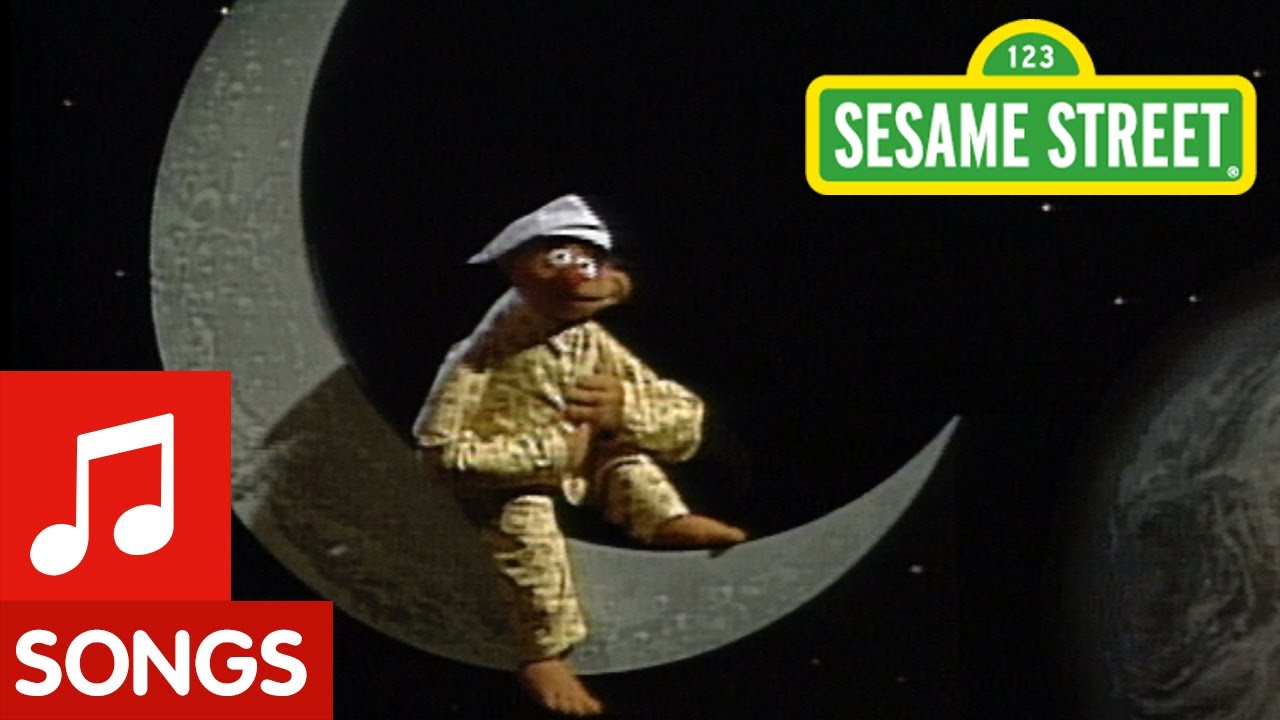
In this song, Ernie, the beloved Sesame Street character (voiced by Jim Henson), sings plaintively of the many sacrifices he would have to make should he reside on the moon, then decides such a life would be too burdensome to bear.
While Ernie may not want to live on the moon, NASA sure does. The space agency's Artemis program is currently aiming to return astronauts to the moon around 2025 or so and build a Lunar Gateway station in orbit around Earth's nearest neighbor. It's not clear yet if NASA will offer seats to Sesame Street characters, or any other Muppets, when they make the trip.
7) Space Baby by The Tubes (1975)
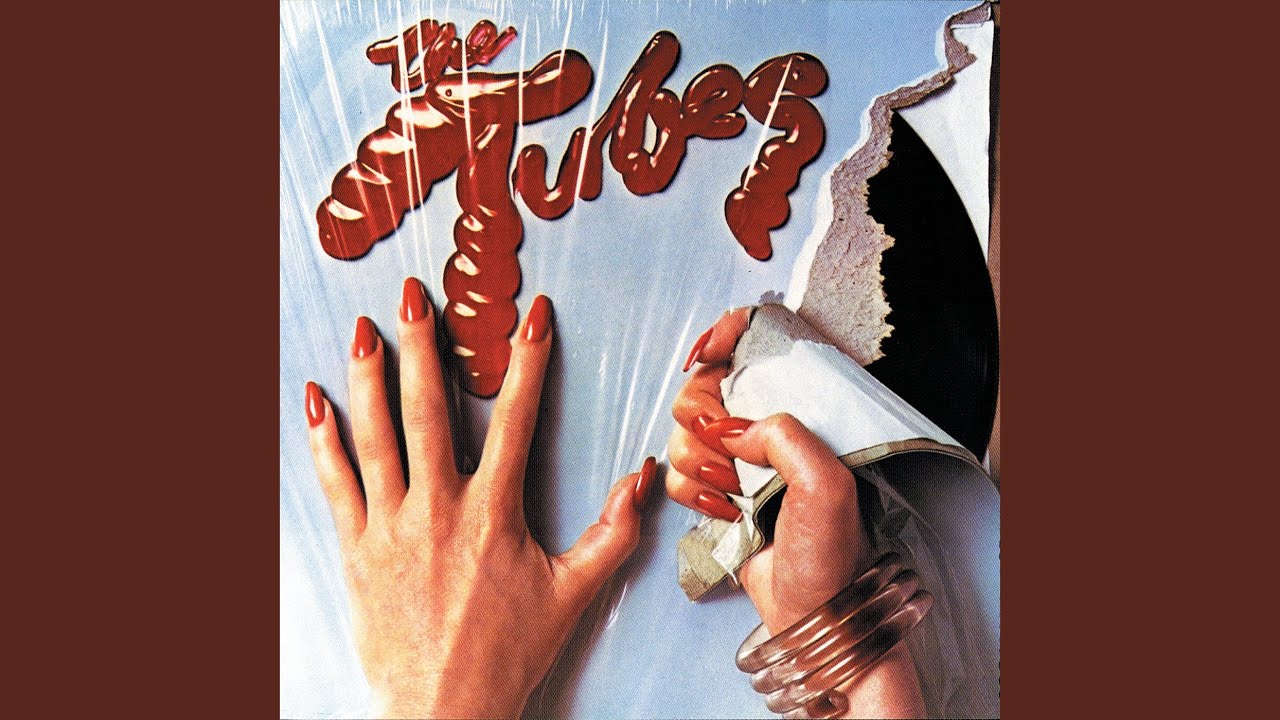
From the eponymous debut album by the theatrical S.F. rockers who created "White Punks on Dope" comes this epic mid-70s song of interstellar questing.
"I dig my atmosphere machine" is an appropriate lyric, though "burning green like a rhomboid sun" suggests a heretofore undiscovered stellar form — or possibly just too much of those Fog City drugs.
8) Spacelab by Kraftwerk (1978)
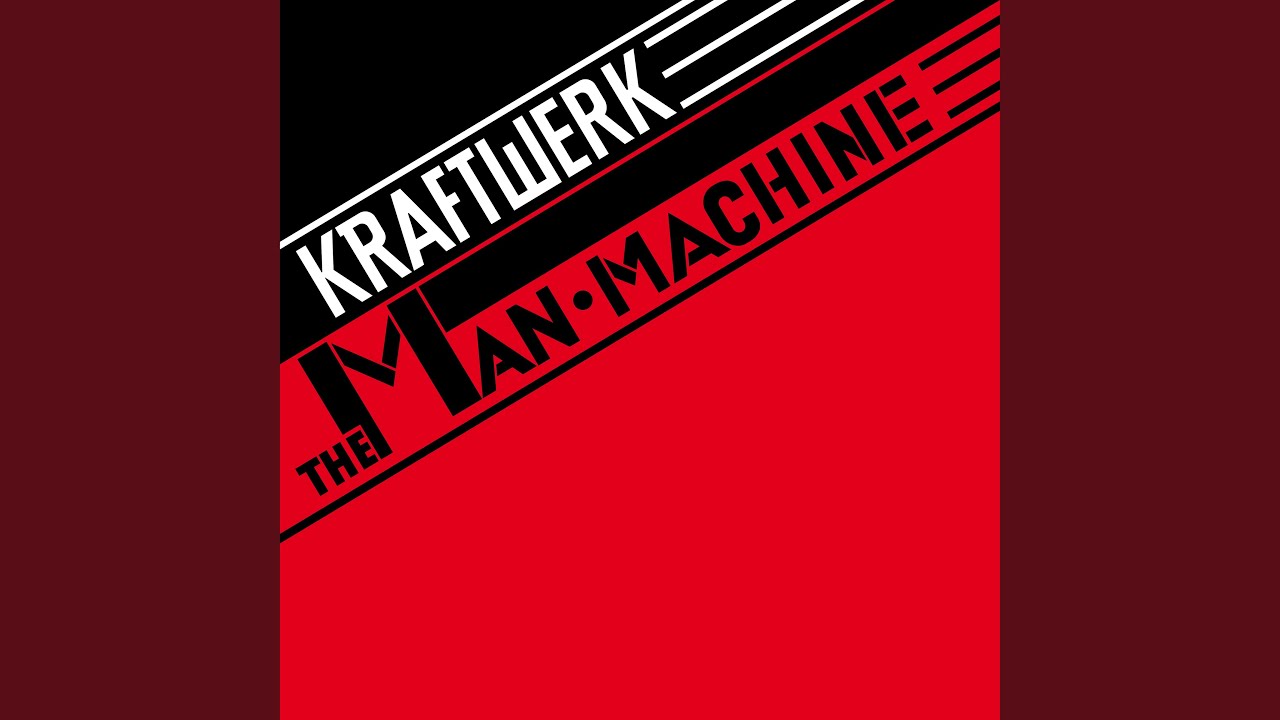
The German synth-gods Krafterk, who usually sing about the autobahn and robots, took a side trip to space in this electronic ode to a space station on their "Man-Machine" album, likely inspired by then-current Skylab.
Skylab, NASA's first space station, launched in May 1973 and hosted several different crews before NASA ended the program. The space station fell from orbit on July 11, 1979.
9) 'Fly Me to the Moon' by Frank Sinatra in 1954 (and many others since)
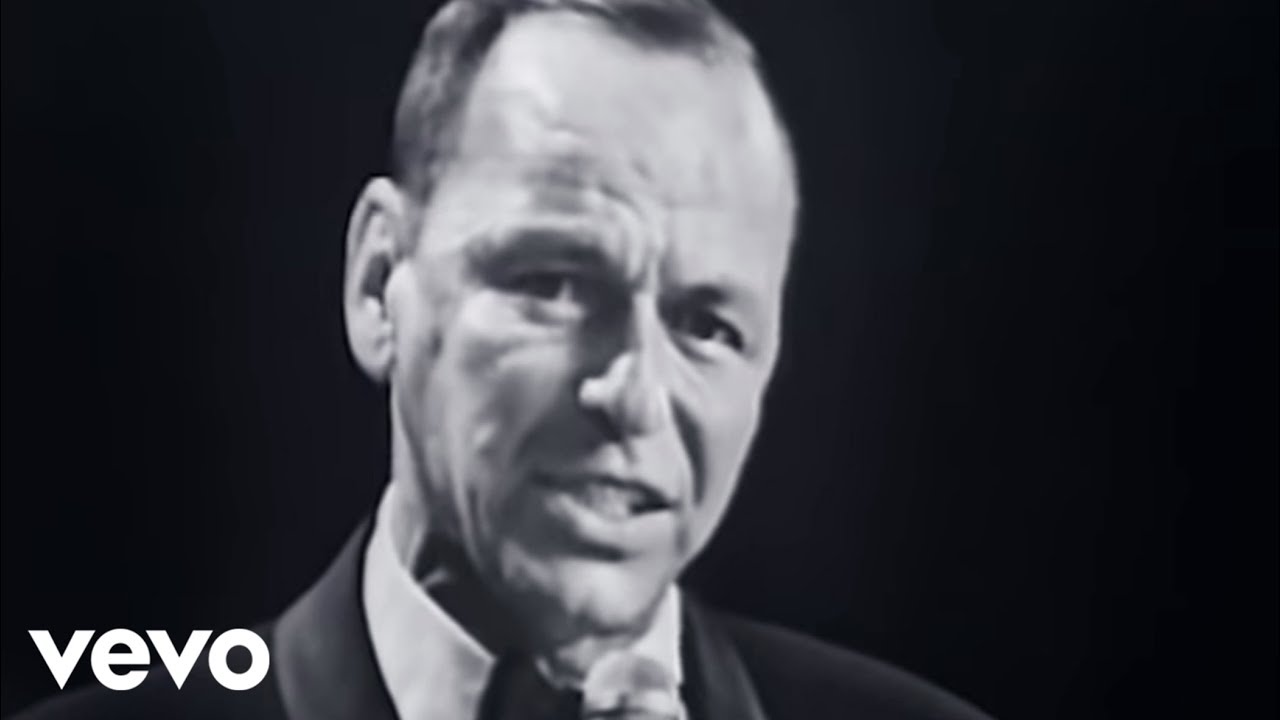
In this Frank Sinatra classic, the song's narrator of the well-known tune not only wants to be flown to the moon, but wishes to "play among the stars" and "see what spring is like on Jupiter and Mars."
After that first verse, though, the space conceit is dropped in favor of love song boilerplate, but we think it counts!
10) The Galaxy Song by Eric Idle/Monty Python (1983)

This hilarious song scarcely needs description — it's an astronomy lesson set to music as recorded by actor Eric Idle and the Monty Python gang in 1983.
This analysis of the lyrics by Paul Kohlmiller of the San Jose Astronomical Association determines that the facts stated in the lyrics are largely correct. Check it out.
11) The Final Countdown by Europe (1986)
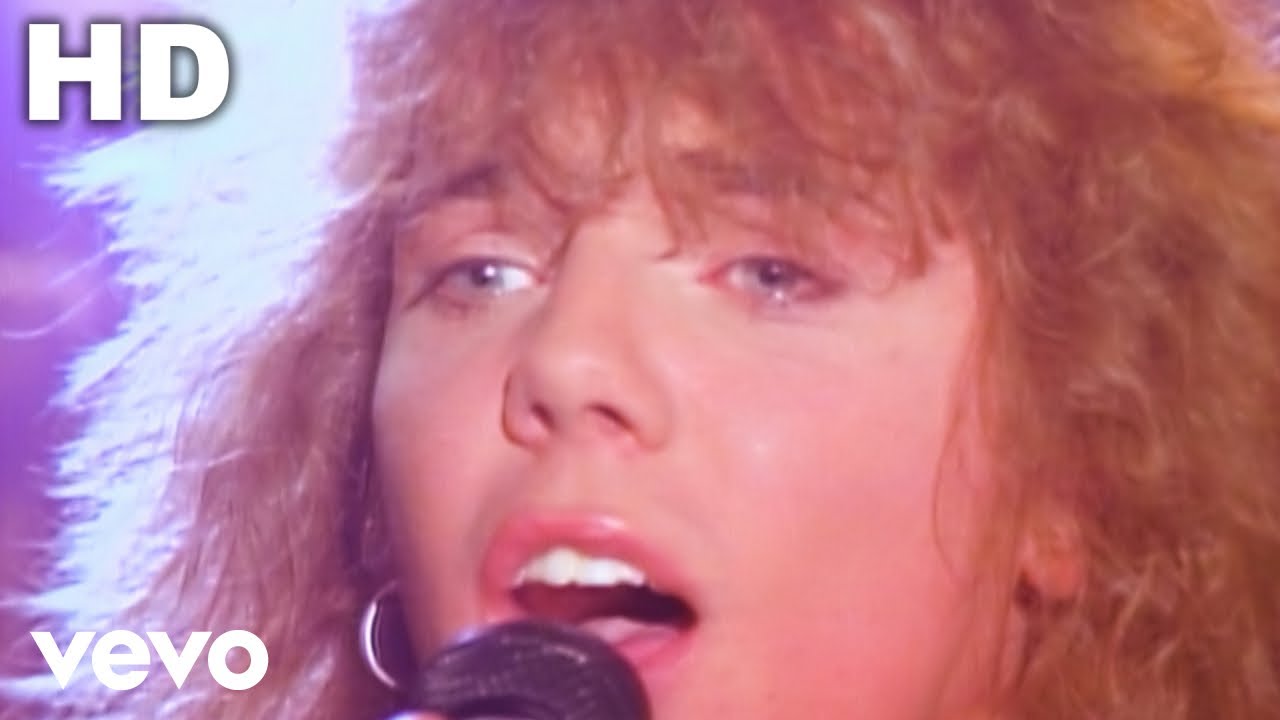
The epic scope and majesty of this song cannot be unheard, in that glorious 1980s mega-pop vibe.
We also adore the cynicism of people who are leaving our planet for what might be the last time: "We're leavin' together / But still it's farewell / And maybe we'll come back / To Earth, who can tell?"
12) Starlight by Muse (2006)
Speaking of cynical space tunes, we love this one for its spaceflyer's worries about being in space separated from someone they love. "Starlight / I will be chasing a starlight / Until the end of my life / I don't know if it's worth it anymore."
12) Starman by David Bowie (1969)
We know, this song is played a lot on soundtracks, but it can be interpreted concerning everything from Earth astronauts to some sort of aliens.
"There's a starman waiting in the sky / He'd like to come and meet us / But he thinks he'd blow our minds."
More recently, Disney and Pixar used Bowie's "Starman" as the soundtrack for teaser trailers for the new animated film "Lightyear" about the intrepid Space Ranger Buzz Lightyear.
13) The Space Race Is Over by Billy Bragg (1996)
The author of many politically charged songs reflects on his childhood memories of watching the Apollo space missions, but bitterly concludes that "Now that the space race is over / It's been and it's gone, and I'll never get to the moon."
14) Emily by Joanna Newsom (2006)
Delicate-voiced indie/folk darling Joanna Newsom wrote the song “Emily” about her sister, an astronomer. The distinctions between meteors, meteorites and meteoroids are discussed within.
Honorable Mentions
Space.com staffers came up with a huge list of other songs they enjoy, which we've put in order of preference.
- "Reach for the Stars" — will.i.am (recorded in commemoration for the 2012 Curiosity rover landing)
- "Under the Milky Way" — Church
- "Valentina" — Komputer
- "There's a Moon in the Sky (Called the Moon)" — B-52s
- "It's Not" — Aimee Mann
- "I Wish I Was the Moon" — Neko Case
- "Space Travel Is Boring" — Modest Mouse
- "Man on the Moon" — R.E.M.
- "Star Trek: First Contact" theme — Jerry Goldsmith (one Space.com writer played it while walking down the aisle)
- "A Space Boy Dream" — Belle & Sebastian
- "Puttin' People on the Moon" — Drive-By Truckers
- "Teenage Spaceship" — Smog
- "The Space Race" — Destroyer
- "Walking On the Moon" — The Police (Notably, the video for the song was filmed at Kennedy Space Center.)
- "2,000 Light Years from Home” — The Rolling Stones
- "Stellar" — Incubus
- "Space Truckin'" — Deep Purple
- "Black Hole Sun" — Soundgarden
- "We Care" — MGMT
- "The Planets Bend Between Us" — Snow Patrol
- "Galaxies" — Laura Veirs
- "Space Game" —MC Lars
- "Black Star" — Radiohead
- "Mambo Sun" —T.Re
- "Tomorrow's Girls" —Donald Fagen
- "Satellite of Love" — Lou Reed
- "Space Monkey" — Patti Smith
- "Deluxe Men in Space" — Man or Astro-Man?
- "Jupiter" — Gustav Holst
- "The Blue Danube" — Johann Strauss II (but only for spaceship dockings)
- "Dwarf Nebula Processional March & Dwarf Nebula" — Frank Zappa & The Mothers of Invention
- "Telstar" — The Tornados
- "Space Invader" — The Pretenders
- "Approaching Pavonis Mons by Balloon (Utopia Planitia)" — Flaming Lips
Below is a huge starting list of space music that we have organized by era. This is not meant to be the complete list of space-y tunes, as there are likely millions out there, but based on our research we have found quite a few songs to get you started. For simplicity, we have ordered these songs by approximate year of release.
Before 1970
Name |
Artist |
Year |
|---|---|---|
When You Wish Upon A Star |
Cliff Edwards |
1940 |
Swinging On A Star |
Bing Crosby |
1945 |
Sputnik (Satellite Girl) |
Jerry Engler and the Four Ekkos |
1957 |
The Sputnik Story |
Bill Thomas |
1957 |
Shake It Over Sputnik |
Bill Hogan |
1958 |
Blue Moon of Kentucky |
Elvis Presley |
1959 |
Blue Moon |
The Marcels |
1961 |
Happy Blues For John Glenn |
Sam "Lightning" Hopkins |
1962 |
Telstar |
Tornados |
1962 |
The Ballad of John Glenn |
Roy West |
1962 |
I'll Follow the Sun |
The Beatles |
1964 |
Full Moon and Empty Arms |
Frank Sinatra |
1965 |
'Star Trek': The Original Series Theme |
Alexander Courage |
1966 |
Spaceman's Salute |
Hank Elder |
1966 |
Across the Universe |
The Beatles |
1968 |
Aquarius (Let the Sun Shine In) |
The 5th Dimension |
1969 |
Armstrong, Aldrin and Collins |
The Byrds |
1969 |
Good Morning Starshine |
Oliver |
1969 |
Here Comes the Sun |
George Harrison |
1969 |
The Walk of Ed White |
Up With People |
1969 |
1970-1979
Name |
Artist |
Year |
|---|---|---|
Moondance |
Van Morrison |
1970 |
Planet Caravan |
Black Sabbath |
1970 |
Balloons of Mars |
T. Rex |
1972 |
Dancing in the Moonlight |
King Harvest |
1972 |
Pink Moon |
Nick Drake |
1972 |
Starman |
David Bowie |
1972 |
Supersonic Rocket Ship |
The Kinks |
1972 |
Eclipse |
Pink Floyd |
1973 |
Moon Rock |
Dory Previn |
1973 |
Solar Fire |
Manfred Mann's Earth Band |
1973 |
39 |
Queen |
1975 |
Shining Star |
Earth, Wind & Fire |
1975 |
Sirens Of Titan |
Al Stewart |
1975 |
Calling Occupants Of Interplanetary Craft |
The Carpenters |
1976 |
Outer Space/Inner Space |
Jim Irwin and the Johnny Mann Singers |
1976 |
Saturn |
Stevie Wonder |
1976 |
You Are My Starship |
Norman Connors |
1976 |
Another Star |
Stevie Wonder |
1977 |
The Martian Boogie |
Brownsville Station |
1977 |
I Lost My Heart To A Starship Trooper |
Sarah Brightman and Hot Gossip |
1978 |
I'm Wishing on a Star |
Rose Royce |
1978 |
Rapper's Delight |
Sugarhill Gang |
1979 |
1980-1989
Name |
Artist |
Year |
|---|---|---|
Shining Star |
Manhattans |
1980 |
Ticket to the Moon |
ELO |
1980 |
There's A Star For Everyone |
Aretha Franklin |
1981 |
Countdown |
Rush |
1982 |
Field of Mars |
The Church |
1982 |
Shame on the Moon |
Bob Seger & The Silver Bullet Band |
1982 |
A Fun Bunch Of Guys From Outer Space |
Sparks |
1983 |
Major Tom |
Shiny Toy Guns |
1983 |
Ride, Sally, Ride! |
Casse Culver |
1983 |
Tranquility Base |
Planet P Project |
1983 |
Rock - It To Stardom |
Legendary Stardust Cowboy |
1984 |
Hello Earth |
Kate Bush |
1985 |
Loving the Alien |
David Bowie |
1985 |
Space Is the Place |
Newcleus |
1985 |
The Whole Of The Moon |
The Waterboys |
1985 |
51-L |
Sex Clark Five |
1986 |
Flying For Me |
John Denver |
1986 |
Orion |
Metallica |
1986 |
Spirit of the Challenger |
Tommy N. Tucker |
1986 |
Moon Rider |
Up With People |
1987 |
Outer Space |
Justin Hayword |
1987 |
Rocket |
Def Leppard |
1987 |
Sister Moon |
Sting |
1987 |
Star Trekkin' |
The Firm |
1987 |
Surfing with the Alien |
Joe Satriani |
1987 |
Standing on the Moon |
The Grateful Dead |
1988 |
The Conquest of Space |
Howard Blake |
1988 |
Star |
Erasure |
1989 |
1990-1999
Name |
Artist |
Year |
|---|---|---|
Harvest Moon |
Neil Young |
1992 |
Look For a Star |
Gary Mills |
1992 |
Out of Space |
The Prodigy |
1992 |
Space in Your Face |
Galactic Cowboys |
1993 |
Satellite |
Dave Matthews |
1994 |
Someone Else's Star |
Bryan White |
1994 |
Wandering Star |
Portishead |
1994 |
Spaceman |
Babylon Zoo |
1995 |
Everyone's Gone To The Moon |
Jonathan King |
1997 |
Marching to Mars |
Sammy Hagar |
1997 |
Mars Attacks |
Misfits |
1997 |
To The Moon And Back |
Savage Garden |
1997 |
Above the Clouds |
Gang Starr |
1998 |
Beagle 2 |
Blur |
1998 |
Intergalactic |
Beastie Boys |
1998 |
Pluto |
2 Skinnee J's |
1998 |
Spaceman |
Bif Naked |
1998 |
Beyond the Sky |
Judy Collins |
1999 |
Spacetravel |
Bush |
1999 |
2000-2009
Name |
Artist |
Year |
|---|---|---|
Drops of Jupiter |
Train |
2001 |
Approaching Pavonis Mons By Balloon (Utopia Planitia) |
The Flaming Lips |
2002 |
My First Trip To Mars |
Atticus Fault |
2002 |
Contact Lost |
Deep Purple |
2003 |
Sail To The Moon |
Radiohead |
2003 |
Venus |
Air |
2004 |
Bella Luna |
Jason Mraz |
2005 |
Stars |
Switchfoot |
2005 |
Virginia Moon |
Foo Fighters |
2005 |
Angels on the Moon |
Thriving Ivory |
2006 |
Galaxy |
Jason Mraz |
2006 |
Supermassive Black Hole |
Muse |
2006 |
You Are The Moon |
The Hush Sound |
2006 |
Pluto |
Clare & the Reasons |
2007 |
Starlight |
Muse |
2007 |
Cosmic Love |
Florence & The Machine |
2008 |
New Moon Rising |
Wolfmother |
2009 |
Shooting The Moon |
OK Go |
2009 |
Spaceman |
The Killers |
2009 |
To The Moon & Back |
Savage Garden |
2009 |
Twinkle, Twinkle Little Star |
Jewel |
2009 |
Two Planets |
Bat for Lashes |
2009 |
2010-present
Name |
Artist |
Year |
|---|---|---|
First Kiss on Mars |
Stone Temple Pilots |
2010 |
Orion |
These New Puritans |
2010 |
Man On Mars |
Kaiser Chiefs |
2011 |
Searching for Satellites |
Wishbone Ash |
2011 |
93 Million Miles |
Jason Mraz |
2012 |
Circles Around the Sun |
Dispatch |
2012 |
Starlight |
Taylor Swift |
2012 |
To the Moon and Back |
Dolly Parton |
2012 |
We Are All Made of Stars |
Moby |
2012 |
Bright |
Echosmith |
2013 |
Crescent Moon |
KT Tunstall |
2013 |
Look...The Sun Is Rising |
The Flaming Lips |
2013 |
New Constellation |
Toad the Wet Sprocket |
2013 |
Old Yellow Moon |
Emmylou Harris & Rodney Crowell |
2013 |
Sally Ride |
Janelle Monáe |
2013 |
Stars |
Mark Owen |
2013 |
Sun |
Belinda Carlisle |
2013 |
Sun |
Sleeping At Last |
2013 |
Venus |
Lady Gaga |
2013 |
Watch The Sun Come Out Tonight |
Filter |
2013 |
Yellow Moon |
Pearl Jam |
2013 |
A Sky Full of Stars |
Coldplay |
2014 |
American Flag on the Moon |
Brad Paisley |
2014 |
Blue Moon |
Beck |
2014 |
Comet, Come to Me |
Me'Shell Ndegéocello |
2014 |
Let in the Sun |
Take That |
2014 |
Lost Stars |
Maroon 5 |
2014 |
Sun Goes Down |
David Guetta |
2014 |
Another Night on Mars |
The Maine |
2015 |
Black Sun |
Death Cab for Cutie |
2015 |
Gemini |
Alabama Shakes |
2015 |
Here To Mars |
Coheed and Cambria |
2015 |
Higher Place |
Dimitri Vegas & Like Mike |
2015 |
Meteor Showers |
Cavetown |
2015 |
Planet A |
The Devil Wears Prada |
2015 |
Saturn's Pattern |
Paul Weller |
2015 |
The Moon Song |
Karen O |
2015 |
Towards the Sun |
Rihanna |
2015 |
Been to the Moon |
Corinne Bailey Rae |
2016 |
Jupiter |
The Futureheads |
2016 |
Lavendar |
Two Door Cinema Club |
2016 |
Man On The Moon |
Britney Spears |
2016 |
Teenage Satelittes |
Blink-182 |
2016 |
The Space Program |
A Tribe Called Quest |
2016 |
Constellations |
Oh Hellos |
2017 |
Hundred Million Miles from Home |
Styx |
2017 |
Stargazing |
Kygo (featuring Justin Jesso) |
2017 |
The Sky is a Neighborhood |
Foo Fighters |
2017 |
All the Stars |
Kendrick Lamar, Sza, & The Weeknd |
2018 |
Black NASA |
Black Milk |
2019 |
Earth is Ghetto |
Aliyah Sheffield |
2020 |
Space |
Biffy Clyro |
2020 |
Spaceship |
Kesha |
2020 |
Floating Through Space |
Sia and David Guetta |
2021 |
Soundtracks
Included is a representative list of instrumental movie, TV and game soundtracks from the past few decades that are popular among space fans.
Name |
Artist |
Year |
|---|---|---|
The Day The Earth Stood Still |
Bernard Herrmann |
1951 |
Forbidden Planet |
Bebe and Louis Barron |
1956 |
2001 |
Richard Strauss |
1968 |
Solaris |
Eduard Artemyev |
1972 |
Star Wars (original trilogy) |
John Williams |
1977 |
Alien |
Jerry Goldsmith |
1979 |
Blade Runner |
Vangelis |
1980 |
E.T. |
John Williams |
1982 |
The Right Stuff (1983 version) |
Bill Conti |
1983 |
Doom |
Mick Gordon |
1993 |
Stargate SG-1 |
David Arnold |
1994 |
Babylon 5 |
Christopher Franke |
1994 |
Apollo 13 |
James Horner |
1995 |
Contact |
Alan Silvestri |
1997 |
Starship Troopers |
Basil Poledouris |
1997 |
Battlestar Galactica (2004 version) |
Bear McCreary |
2004 |
Sunshine |
John Murphy |
2007 |
Mass Effect |
Jack Wall and Sam Hulick |
2007 |
WALL-E |
Thomas Newman |
2008 |
Gravity |
Steven Price |
2013 |
Interstellar |
Hans Zimmer |
2014 |
The Martian |
Harry Gregson-Williams |
2014 |
The Expanse |
Clinton Shorter |
2015 |
Arrival |
Jóhann Jóhannsson |
2016 |
First Man |
Justin Hurwitz |
2018 |
Ad Astra |
Max Richter |
2019 |
Dune |
Hans Zimmer |
2021 |
Bibliography
"Astronaut's Playlist: 134 Songs About Stars, Planets, and Space." Spinditty. (2021, Nov. 5.) https://spinditty.com/playlists/astronomy-stars-planets-NASA-songs-playlist
"10 hip-hop songs to take you on a voyage into space." A.D. Carson. The Conversation. (2021, May 26). https://theconversation.com/10-hip-hop-songs-to-take-you-on-a-voyage-into-space-157659
"Music of the Stars: The Best Space Movie Soundtracks." Film School Rejects. (2018, Oct. 18). https://filmschoolrejects.com/best-space-movie-soundtracks/
"Musicspace." HobbySpace. (2020.) https://www.hobbyspace.com/Music/music5.html
