





Thisstory was updated at 10:07 a.m. EDT.
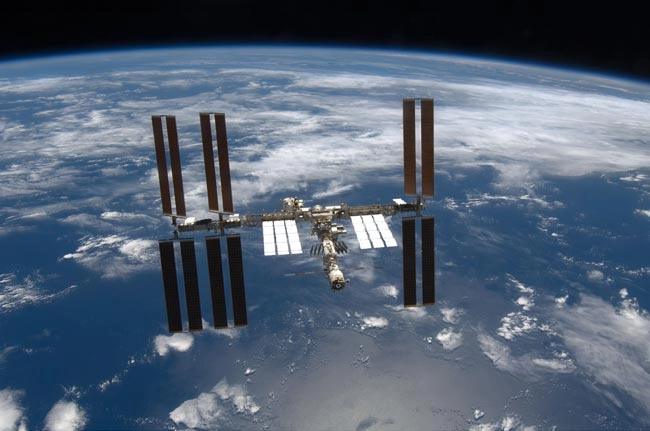
NASA?sshuttle Discovery is closing in on the International Space Station and due toarrive later today, its crew of seven astronauts eager to deliver new solarwings for the orbiting lab?s power grid.
Shuttlecommander Lee Archambault is slated to dock his 100-ton spacecraft at thestation at 5:13 p.m. EDT (2113 GMT) today after atwo-day orbital chase. After months of isolation 220 miles (354 km) aboveEarth, the space station?s three-person crew is more than ready to see some newfaces.
?The crewis 100 million percent ready,? station commander Michael Fincke radioed down toMission Control late Monday. ?Tomorrow is game day.?
Discoverylaunched toward the space station late Sunday ona 13-day mission to deliver new solar arrays and swap out one member of thestation?s Expedition 18 crew. Three spacewalks, cut down from four due tolaunch delays, are planned for the mission.
In additionto the new $298 million solar wings, which will complete the station?sU.S.-built power grid once installed, Discovery is ferrying Japanese astronautKoichi Wakata to the station to replace NASA astronaut Sandra Magnus as anExpedition 18 flight engineer. Magnus will return home aboard Discovery nextweek, while Wakata - Japan?sfirst long-duration astronaut - is due to return home this summer on alater shuttle flight.
Mission Control rousedDiscovery?s crew this morning with the traditional Japanese song ?RadioExercise? by the Tokyo Broadcast Children?s Choir, a tune selected especiallyfor Wakata.
?It?sanother wonderful morning in orbit,? Wakata said. ?I?m looking forward to goinginto our new base in space later today.?
Discoveryis also toting a middeck crammed with extra supplies for the space station,including a spare part for the outpost?s broken recycling system that filtersastronaut urine back into drinking water. The part, a distillation assembly,will be installed while Discovery is docked at the station and its brokencounterpart will be returned to Earth for analysis, mission managers said.
?I?m lookingforward to a very nominal rendezvous,? shuttle flight director Paul Dye saidlate Monday. Today?s planned docking is unaffected by a piece of space debristhat passed by the station early this morning, he added.
NASAengineers initially thought they might have to fire the station?s thrusters toavoid the debris, a bit of trash from a defunct Soviet navigation satellite -but later found that theobject posed no threat and would fly well clear of the orbital outpost. Noengine burn or other precautions were required, Dye said.
Somersaultingshuttle
BeforeDiscovery?s crew can get to work at the space station, Archambault will guidethe spacecraft through a slow back flip below the orbiting lab so astronautsinside can take photographs of the shuttle?s tile-covered belly.
?We?llbasically flip the space shuttle Discovery,? said in pilot Dominic ?Tony?Antonelli in a NASA interview.
Called theRendezvous Pitch Maneuver, Discovery?s orbital flip is part of the now-standardheat shield inspection plan NASA has used since the 2003 loss of shuttleColumbia and its seven-astronaut crew during re-enter due to wing damage.
During theshuttle somersault, Archambault will fly the spacecraft to a point about 600feet (183 meters) directly below the space station. While Discovery turns in acontrolled end-over-end spin, station astronauts will take about 300high-resolution photographs of the thousands of heat-resistant tiles lining thespacecraft?s belly.
Engineerson Earth will study the images to search for any dinged or damage tiles thatmight need repair.
The survey addsto a Monday inspection of the heat shield panels along Discovery?s wingedges and nose cap by the shuttle astronauts. After combining the data andimages from both surveys, engineers will decide whether Discovery?s crew willhave to perform an extra focused inspection of any specific areas of the heatshield later in the mission.
LeRoy Cain,head of Discovery?s mission management team, said late Monday that shuttlemanagers hope to decide whether the extra inspection will be required by lateWednesday.
SPACE.comis providing continuous coverage of STS-119 with reporter Clara Moskowitz andsenior editor Tariq Malik in New York. Click here for missionupdates and SPACE.com's live NASA TV video feed.
- New Video - Discovery?s STS-119 Night Launch
- Video - Discovery's Mission: Space Station Power Up!
- New Show - Inside the International Space Station
