





Moon Venus Sunrise North Carolina Greg Diesel Walck

Greg Diesel Walck captured this image of the Moon and Venus from Currituck, North Carolina during the sunrise on Jan. 10, 2012. He used a Sony Alpha 65 camera with a 495mm zoom, ISO 1600, and shutter 1/8 second exposure to take the photo.
Crescent Moon Sunrise Venus Tully 2012

Scott Tully captured this sunrise shot of the crescent moon and Venus over rural Connecticut on Jan. 10, 2012.
2013 Quadrantid Meteor Over Connecticut

Astrophotographer Scott Tully sends us a shot of a Quadrantid meteor taken over the northwest hills of Connecticut on January 3, 2012.
Comet C/2012K5

SPACE.com reader identified only as "skyhound" sent in a photo of Comet C/2012 K5, taken on Jan. 1, 2013, in an unknown location.
Moon, Saturn and Spica Over Melbourne, Australia

Night sky watcher Ockert le Roux sent in a 25-second exposure of the Moon, Saturn, and the star Spica of the moon, Saturn, and Spica, taken in Melbourne, Australia, on Jan. 7, 2013.
2013 Quandrantid Meteors Over Colorado

Astrophotographer Jack Jewell sent in his composite photo of Quandrantid meteors taken Estes Park, CO, on January 3, 2013. All photos included in this image were taken during a span of All photos taken within 1 hour, 20 min.
2013 Quadrantid Meteors Over Tucson
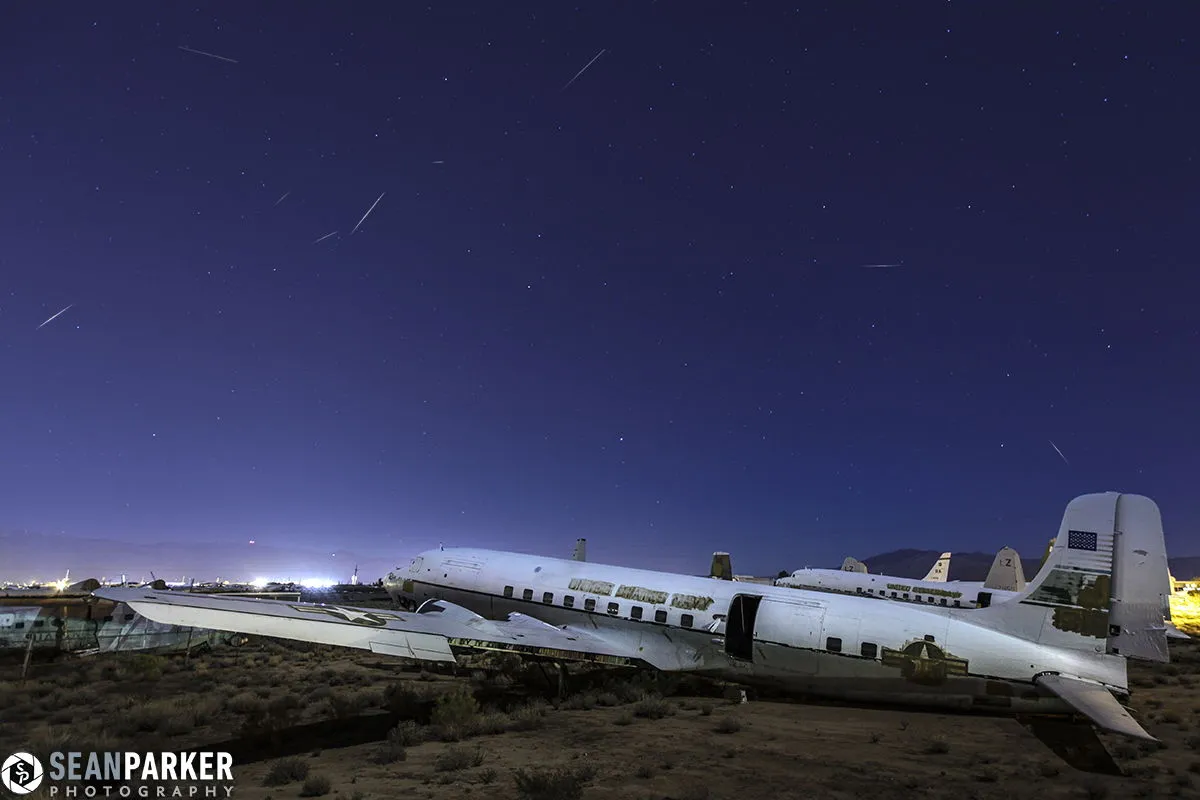
Astrophotographer Sean Parker produced this image of Quandrantid meteors over Tucson, AZ, on Jan. 3, 2013. He writes: "The boneyard [aircraft graveyard] is run by the [Davis-Monthan] Air Force base which requires clearance, and is surrounded by 10-foot barbed wire fences. But fortunately I have a Jeep and a tall tripod – so I drove around numerous spots looking for a place I could pull … close to the fence and take pictures from on top. And I found one."
Asteroid Apophis on Jan. 8, 2013

At about 36 hours from the minimum distance (9.3 million miles or 15 million kilometers from Earth), potentially hazardous asteroid Apophis was imaged again with the Virtual Telescope, on Jan. 8, 2013.
Potentially Hazardous Asteroid Apophis Getting Closer

The Virtual Telescope is continuing to track potentially hazardous asteroid Apophis. It will reach a distance of 9.3 million miles (15 million kilometers) from the Earth in Jan. 2013, with no risks of collision with our planet. The telescope mount tracked the apparent motion of the object, giving trailed stars.
Milky Way Over Alamut Valley in Alborz Mountains Abolfath

Amir H. Abolfath of The World at Night took this photo of the Milky Way over Alamut Valley in the Alborz Mountains of Iran in August 2010. Posted Jan. 2013.
ISS Transiting the Sun

The International Space Station Transiting across the disc of the Sun on Jan. 9, 2013.
