Editor's note: The Full Snow Moon is already putting on quite the show for skywatchers worldwide, we've rounded up some of the best full moon photos in our February full moon photo roundup story.
Tonight, skywatchers are in for a treat as the Full Snow Moon rises.
The moon reached its peak brightness at 8:53 a.m. EST (1353 GMT) on Feb. 12, but local moonrise and moonset times will depend on your location. As the February full moon rises, Mars will remain high in the sky to the upper right of the moon, creating a delightful skywatching scene.
For those in the eastern U.S., the moon will be visible just after sunset, creating a beautiful sight against the twilight sky. It will climb quite high, reaching its peak around midnight, where it will remain visible for the rest of the night before setting with the morning sun.
A full moon happens when the moon is directly opposite the sun from our perspective on Earth, fully illuminated by sunlight. While most full moons are completely lit up, sometimes the moon's orbit brings it into Earth's shadow, causing a lunar eclipse (the next time this will happen will be across March 13 and March 14). February's full moon will miss Earth's shadow, however. This is because the moon's orbit is tilted about five degrees relative to Earth's path around the sun, which means the sun, Earth and moon won't line up perfectly this time.
The Snow Moon is named for the season it falls within, as February is often one of the snowiest months in the northern hemisphere.
This month, the Snow Moon's appearance is accompanied by several bright planets, including Jupiter and Venus. For those with a clear view of the western horizon, Venus will be visible just after sunset, and Jupiter will shine high above the Orion constellation as the evening progresses.
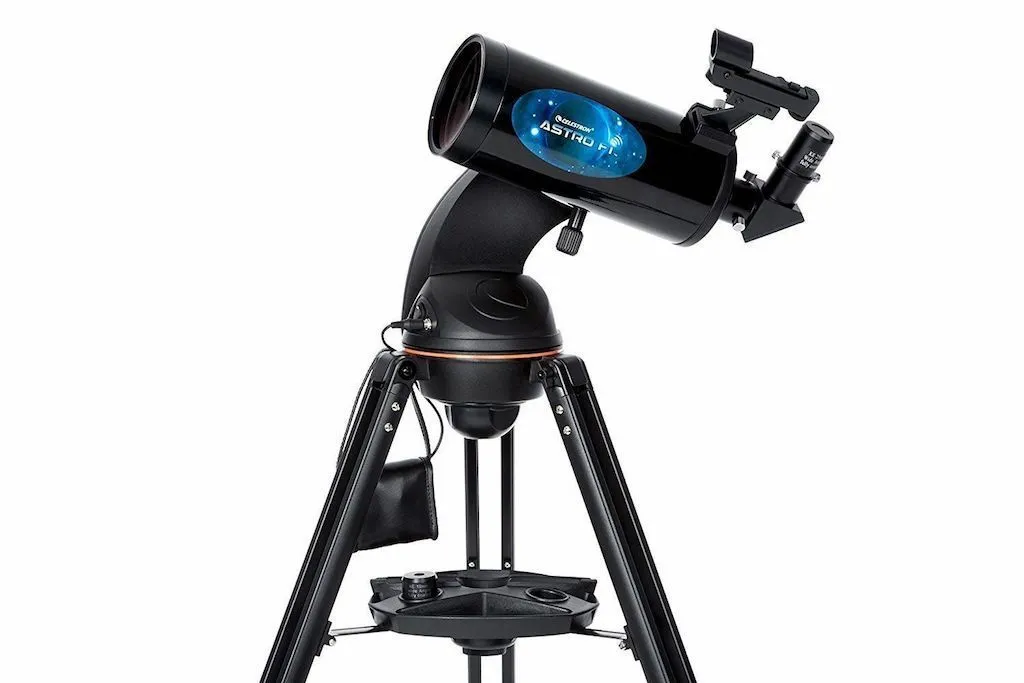
Looking for a telescope to see the features of the full moon up close? We recommend the Celestron Astro Fi 102 as the top pick in our best beginner's telescope guide. Don't forget a moon filter!
Fancy taking a more in-depth moonlit tour of our rocky companion? Our ultimate guide to observing the moon can help you plan your next skywatching venture whether it be exploring the lunar seas, mountainous terrain, or the many craters that blanket the landscape. You can also see where astronauts, rovers and landers have ventured with our Apollo landing sites observing guide.
If you're specifically looking for a telescope to view the moon, our best telescopes for deep space guide may help. We also have a guide to astrophotography for beginners which covers everything from equipment to shooting modes and more. Our best cameras for astrophotography and best lenses for astrophotography can also help you prepare to capture your next skywatching sight.
Editor's Note: If you get a great photo of the full moon and would like to share it with Space.com’s readers, send your photo(s), comments, and your name and location to spacephotos@space.com.