A U.S. Space Force mission pitting two satellites against each other has been deemed a success, completing its first tactical intercept of an orbital target.
The news comes less than two weeks after Rocket Lab broke a spaceflight readiness record, launching the company's Pioneer-class Puma satellite aboard an Electron rocket on June 19, delivering the second spacecraft of the Space Force's Victus Haze mission just 16 hours and 42 minutes after receiving notice. The mission's first satellite, True Anomaly's JACKAL-0004 vehicle, was launched to orbit on a SpaceX Falcon 9 rocket in May, where it awaited the yet-unannounced launch of its counterpart.
Once Puma reached space as well, the vehicles were tasked with rapid acquisition, rendezvousing and assessment operations to simulate the interception and characterization of potential adversary spacecraft. Space Force's Space Systems Command put a 72-hour deadline for the orbital sortie's successful completion, which wrapped up 11 hours ahead of schedule, according to a True Anomaly statement.
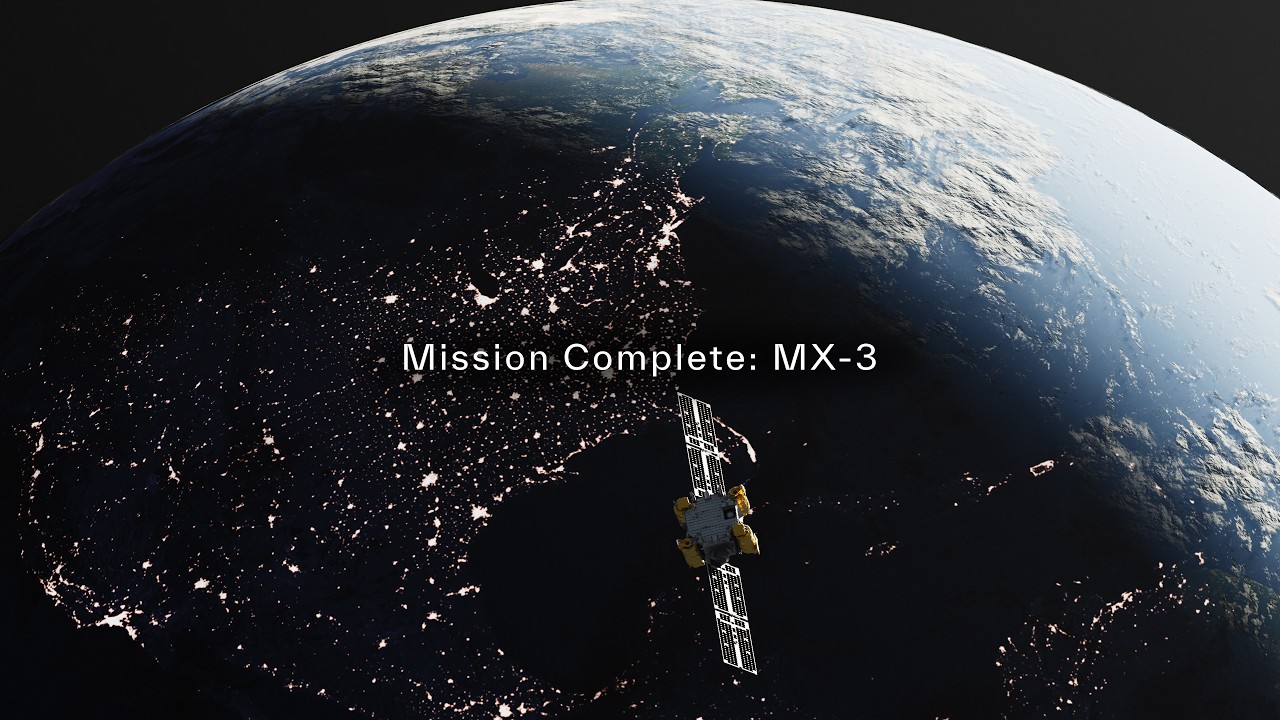
It's Space Force's second Tactically Responsive Space (TacRS) mission. The first, Victus Nox, was launched by Firefly Aerospace in September 2023, and was focused on space domain awareness capabilities. The tactical engagement of two spacecraft in orbit on Victus Haze is a brand-new accomplishment for the Space Force, which continues to fortify its orbital posture against a rising threat of potential "non-compliant satellites," according to a Rocket Lab statement.
During its mission to hunt down Puma, Jackal was able to demonstrate several critical capabilities, including proximity operations and satellite image identification. "Jackal performed exactly as designed, demonstrating precise propulsion burns and nominal ingress, successful closed-loop tracking, precision pointing, imaging and characterization of the target before egressing to its base orbit," the True Anomaly statement said.
According to the Space Force, the two spacecraft participated in several space domain awareness threat-response scenarios and "dynamic engagements with the other."
“Victus Haze is primed to further demonstrate our readiness to lean on our commercial partners to deny, disrupt, and counter any adversarial advantage — no matter where they try to operate in space,” acting Space Force portfolio acquisition executive Col. Bryon McClain said in the Space Force statement.
Once mission operations began, True Anomaly handed control of Jackal over to the company's "space superiority software," Mosaic, which executed planning of the sortie with Puma. Puma's vehicle platform, Pioneer, was designed, launched and operated by Rocket Lab.
"Victus Haze proves that responsive launch and responsive characterization are a single capability. Acquire a new object within hours, close the geometry, and deliver the imagery. The next step is cadence: faster, more often, and across more orbits," True Anomaly's press release said.