Look southeast Friday night to catch the moon commencing its monthly tour with a brief visit to Saturn!
At approximately 11 p.m. local time on July 15, the waning gibbous moon will shine about a palm's width below (or 6 degrees to the celestial south of) Saturn, according to geophysicist Chris Vaughan, an amateur astronomer with SkySafari Software who oversees Space.com's Night Sky calendar.
Get your binoculars at the ready as the pair will be close enough to share the same field of view as illustrated by the green circle in the image above.
Related: The brightest planets in July's night sky: How to see them (and when)
The exact time of the event varies depending on your specific location, so you'll want to check out a skywatching app like SkySafari or software like Starry Night to check for times. Our picks for the best stargazing apps may help you with your planning.
Throughout the night the pair will be relatively close and "Before sunrise, the moon and Saturn will have moved into the brightening southwestern sky," writes Vaughan. "The diurnal motion of the sky will have lowered Saturn to the moon's right."
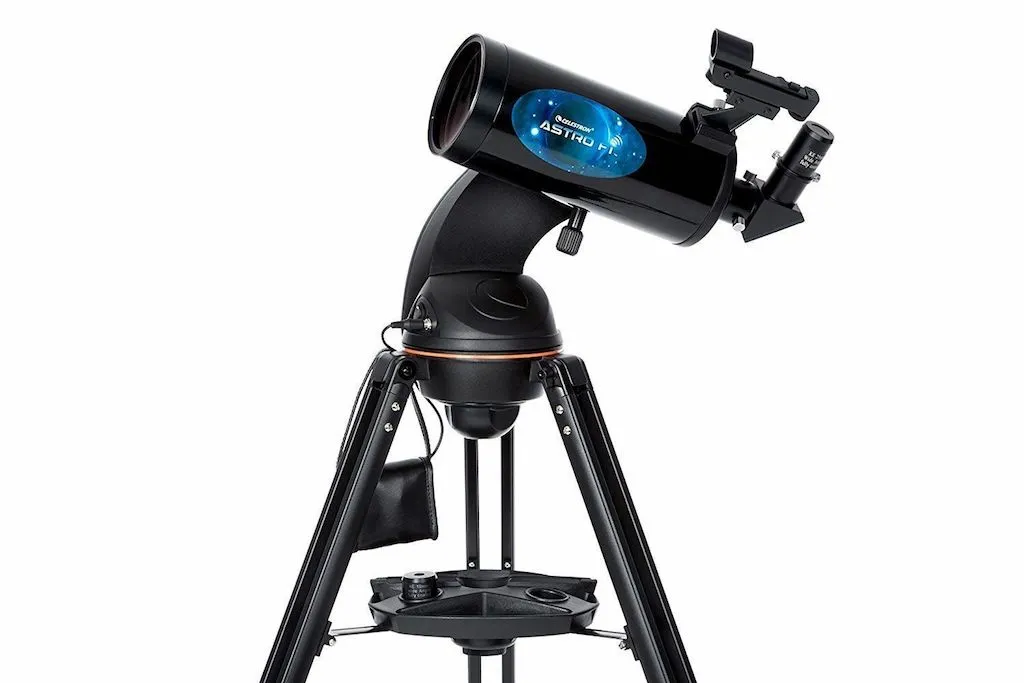
Looking for a telescope for the next stargazing event? We recommend the Celestron Astro Fi 102 as the top pick in our best beginner's telescope guide.
Looking for a telescope or binoculars to observe the moon during its monthly tour of the planets? Our guides for the best binoculars deals and the best telescope deals now can help. Our best cameras for astrophotography and best lenses for astrophotography can also help you prepare to capture the next skywatching sight on your own.
After Saturn, the moon will continue its monthly planetary tour by calling in on Jupiter on Tuesday (July 19). Between midnight and dawn, the half-illuminated moon will shine several finger widths (or three degrees to the celestial southeast) of the gas giant, according to Vaughan.
If you want to indulge in a more in-depth tour of our rocky companion our ultimate guide to observing the moon will help you plan your next skywatching venture, whether it be exploring the lunar seas, mountainous terrain or the many craters that blanket the landscape. You can also see where astronauts, rovers and landers have ventured with our Apollo landing sites observing guide.
Follow us on Twitter @Spacedotcom and on Facebook.