


Latest about Solar Eclipses
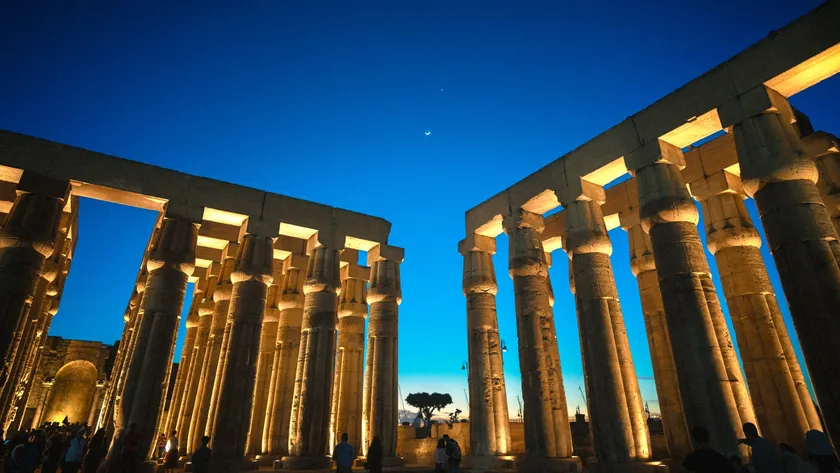
The "eclipse of the century" will plunge some of ancient Egypt's most spectacular sites into darkness on Aug. 2, 2027. These temples, tombs and monuments are inside the path of totality.

From the Costa del Sol to whitewashed mountain villages, here are 10 of the best places in southern Spain to experience the Aug. 2, 2027 total solar eclipse.

Beyond Luxor and southern Spain, the 2027 eclipse path crosses Mediterranean islands, mountain towns, desert oases and historic cities. Here are 10 less obvious places to experience totality on Aug. 2, 2027.

2027 isn't an isolated freak eclipse. It's the latest appearance of the extraordinary Saros 136 dynasty that produces some of the longest total solar eclipses of our era.

The total solar eclipse on Aug. 2, 2027 will be a huge international tourism event. But where you book — and exactly where you plan to watch from — could make a huge difference.

A total solar eclipse on Aug 2, 2027, will be visible across southern Europe, North Africa and the Middle East. Find out more about where to see the 'eclipse of the century' in our guide.

Reference Discover the 'eclipse of the century' with this comprehensive total solar eclipse 2027 guide. Find out where to see it, the timings of totality and possible weather conditions for key locations.
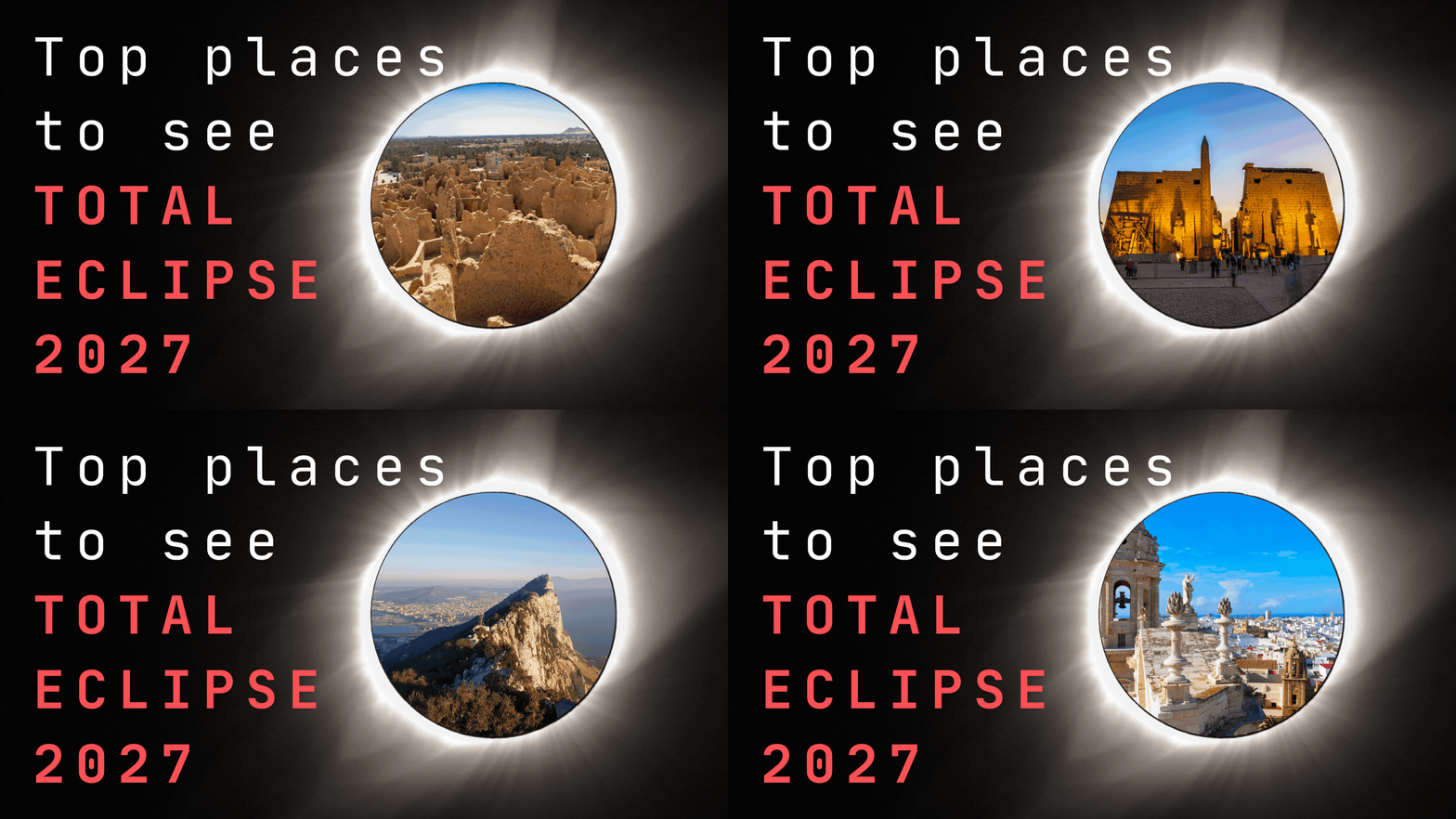
The best scenic places across Southern Europe, North Africa and the Middle East to see the total solar eclipse on Aug. 2, 2027.

