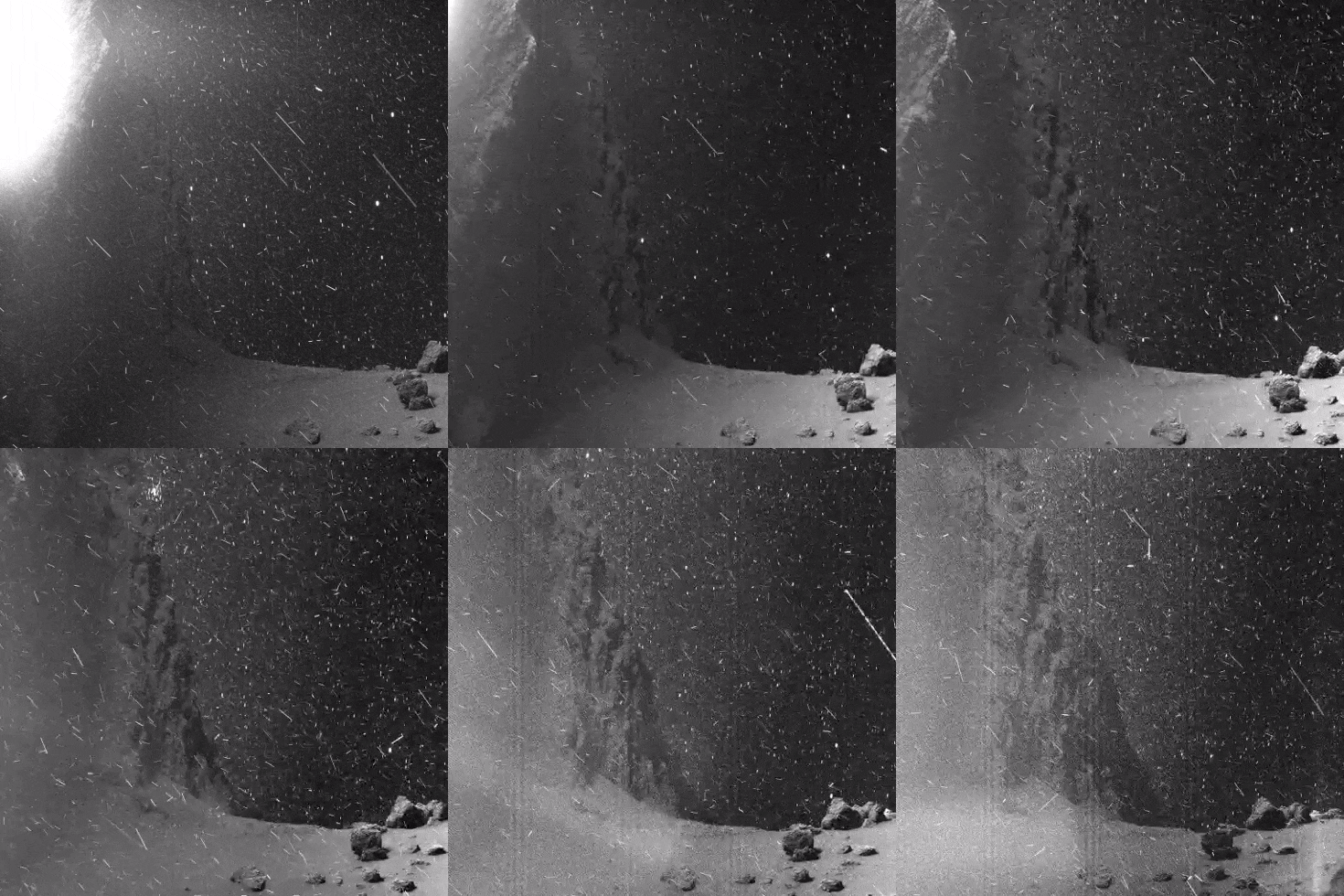
Learn more about the European Space Agency's Rosetta spacecraft that arrived at Comet 67P/Churyumov–Gerasimenko on Aug. 6, 2014.
Related Topics: Comets, Asteroids, Meteors, Shooting Stars and Fireballs, NASA
Latest about rosetta spacecraft

Comet 67P has the building blocks of life — smells like mothballs and almonds
Comet 67P/Churyumov-Gerasimenko is richer in organic molecules than scientists thought, which could have implications for how life on Earth began.
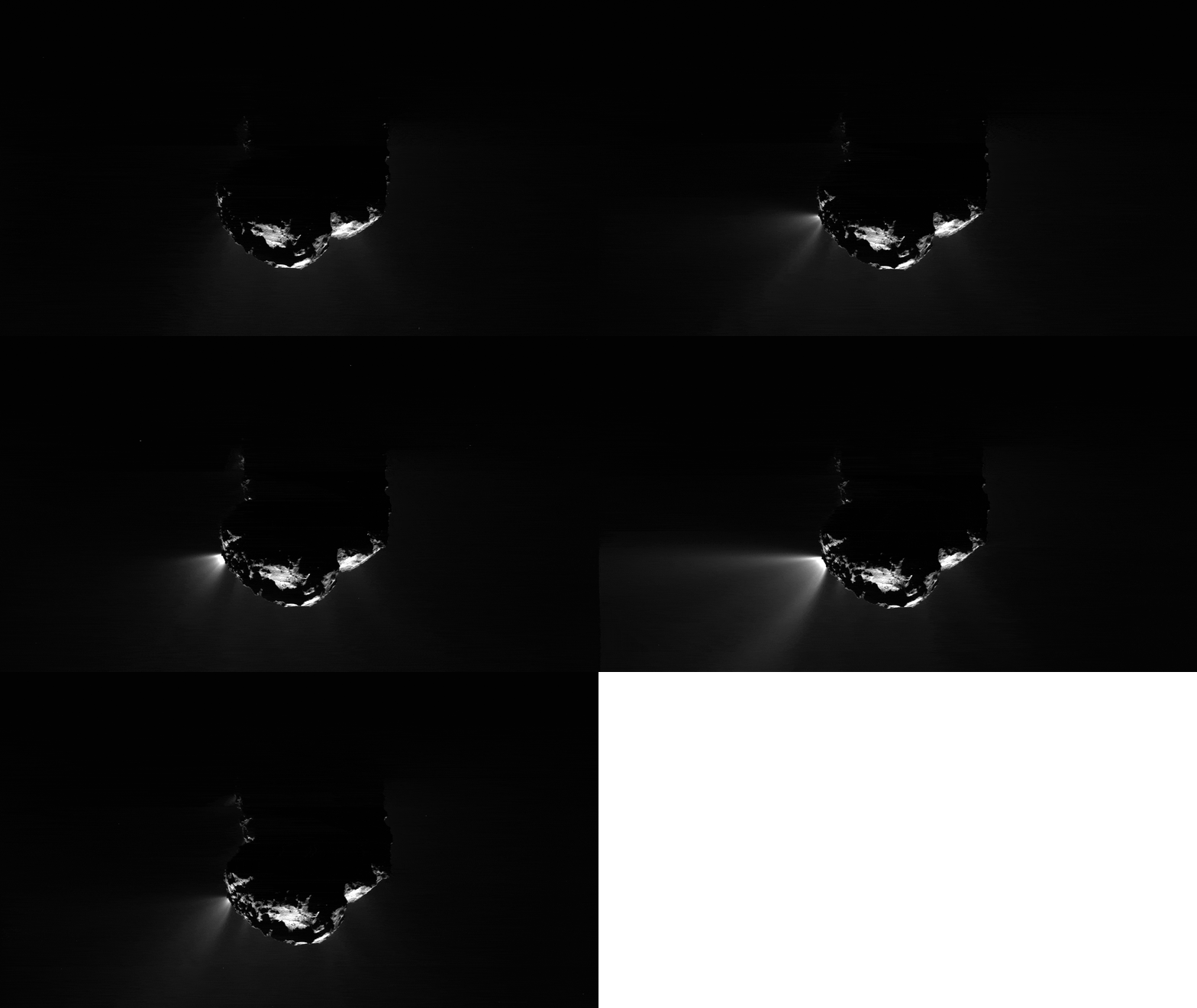
Rosetta's 'rubber ducky' comet makes closest approach to Earth, will disappear for 200 years
Comet 67P, which famously hosted the first-ever cometary lander in 2014, made its closest approach to Earth on Friday (Nov. 12).

Under Pressure: Rosetta Comet's Weird Neck Sculpted By Shear Stress
The weird "neck" between the lobes of Comet 67P/Churyumov-Gerasimenko spotted by the Rosetta spacecraft formed in part because the comet had a brittle interior, a new study shows.


Comet's Exotic Terrain Stars in Close-Up View from the Rosetta Probe
If you regard comets as big old dirty snowballs, boringly uniform and featureless, this photo will set you straight.

Now You Can See Every Comet Photo (& More) from Europe's Rosetta Probe. Enjoy!
Nearly 100,000 high-resolution images of a comet, two asteroids, Earth and Mars are now all available to the public online.

More Comet Samples Needed to Understand Solar System's History, Scientists Say
More samples of comets are urgently needed to better understand the early history of the solar system, say researchers analyzing comet dust brought back to Earth by NASA’s Stardust mission in 2006.