





Latest about Auroras

NOAA issues geomagnetic storm watch as CMEs head toward Earth — northern lights possible Aug. 27-28
Incoming CMEs and a stream of fast solar wind could ramp up geomagnetic activity over the next few days.

Could the northern lights be visible during the total solar eclipse on Aug. 12? Maybe.
A total solar eclipse and the northern lights at the same time? Experts explain why it's possible, but the odds are stacked against it.

Sun fires off 10 solar flares in 24 hours as multiple Earth-bound CMEs raise northern lights hopes for July 4 weekend
Multiple CMEs are heading toward Earth, with G1-G2 geomagnetic storm conditions possible as the holiday weekend begins.

Incoming CME could spark impressive northern lights over the northern US tonight
A coronal mass ejection is currently racing toward Earth and could trigger G2 to G3 geomagnetic storm conditions on June 8, potentially boosting aurora displays across northern latitudes.

Aurora alert! 4 Earth-bound CMEs could spark northern lights as far south as Illinois and Oregon tonight
Heads up aurora chasers! We could be in for a show! Multiple CMEs are en route and could spark strong geomagnetic storm conditions and auroras deep into mid latitudes.
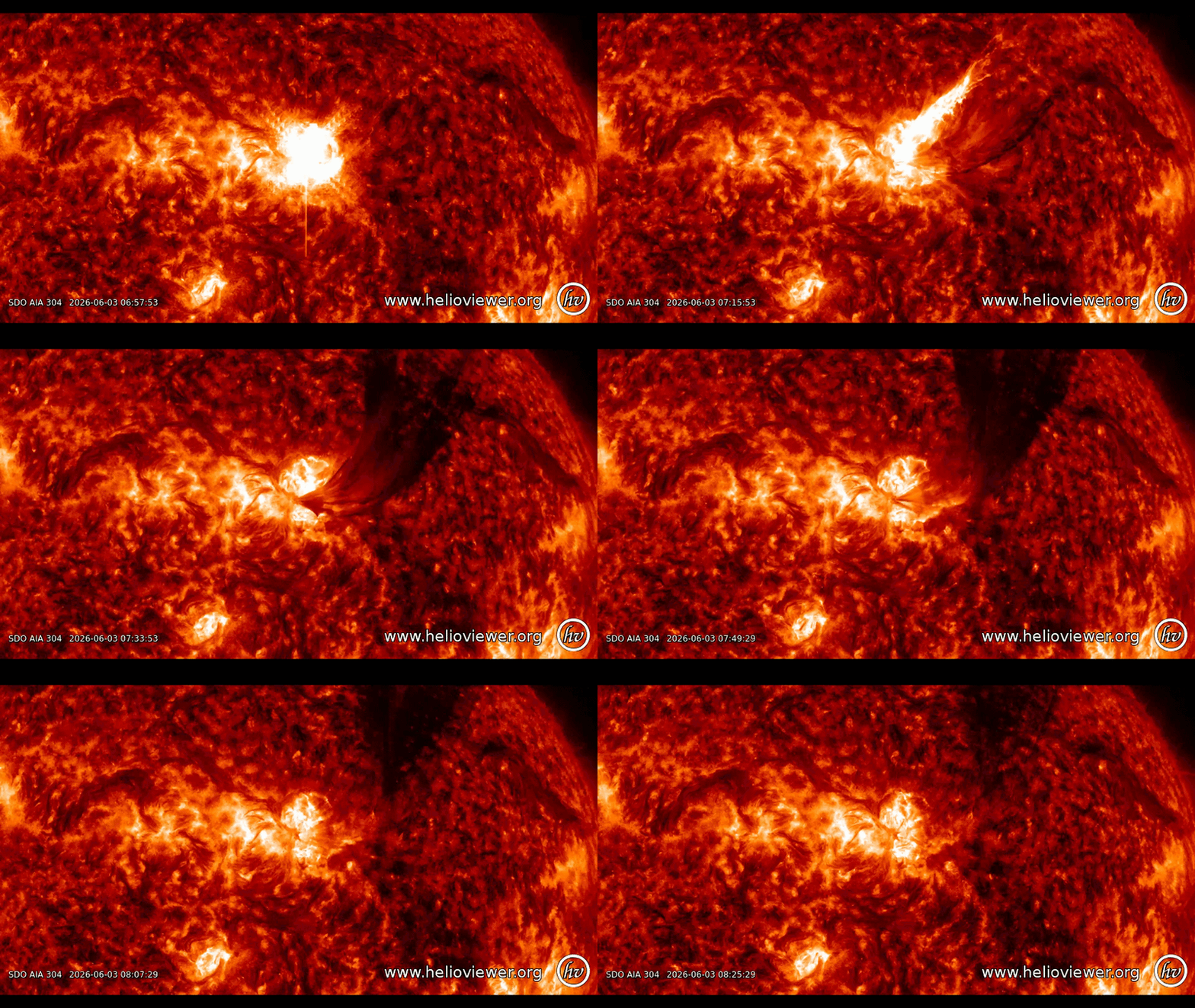
Sun erupts with 3 colossal solar flares in less than 24 hours, boosting chances for northern lights
A trio of major solar flares triggered radio blackouts across Earth and may spark impressive northern lights as possible solar storms head our way.
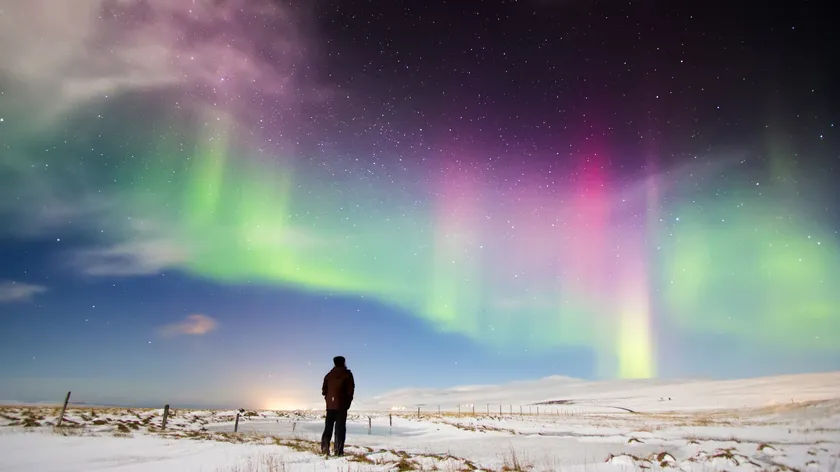
Northern lights forecast - Aurora season winds down as summer twilight takes over
Persistent twilight is making aurora viewing increasingly difficult across the northern latitudes, bringing our nightly forecast updates to a seasonal close until autumn.

An ancient solar storm left clues in tree rings and a famous poet's diary: 'Red lights in the northern sky'
A Japanese poet wrote in his diary that "red lights" appeared in the sky over Kyoto. An analysis of tree rings suggests a powerful solar storm created the sight.

