


Latest News

On Oct. 6, 1992, the United States and Russia signed an agreement to share astronauts and cosmonauts on human spaceflight missions. Here's why it mattered.

The first trailer has launched for Netflix’s hard-boiled futuristic thriller, and we’re totally on board!

A new study points to different formation paths for Earth and Mars, despite their shared neighborhood.
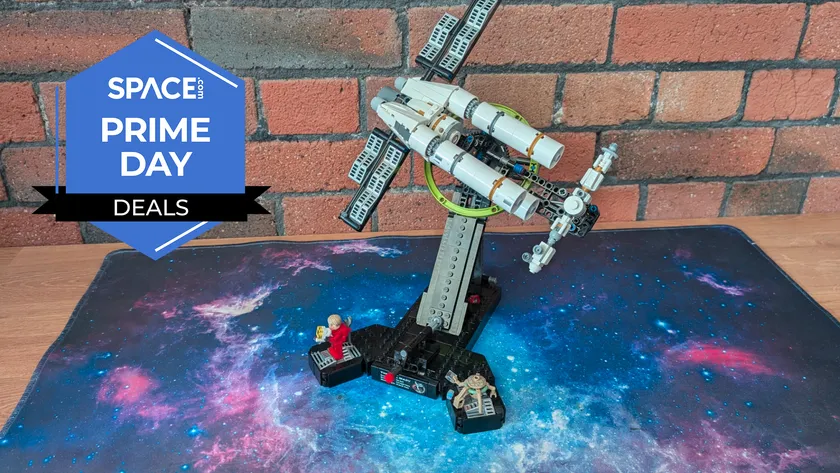
Deals Whether you're a fan of the movie or Andy Weir's original novel, you won't be disappointed by this Lego Icons Project Hail Mary set. It's 30% off thanks to Amazon Prime Day in October.
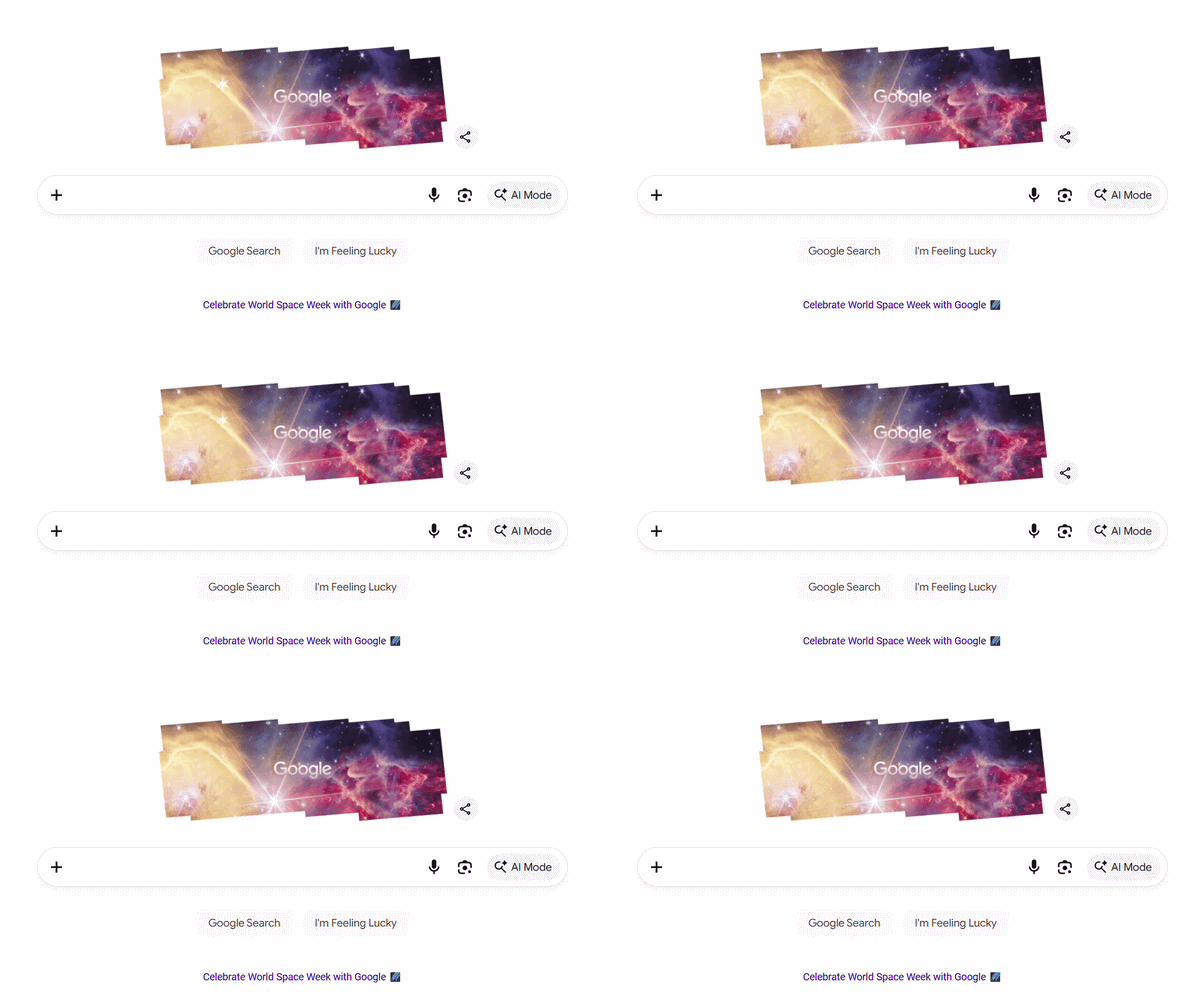
Google is celebrating World Space Week 2026's Rocket Revolution with a sparkling Google Doodle of the Rosebud Nebula.
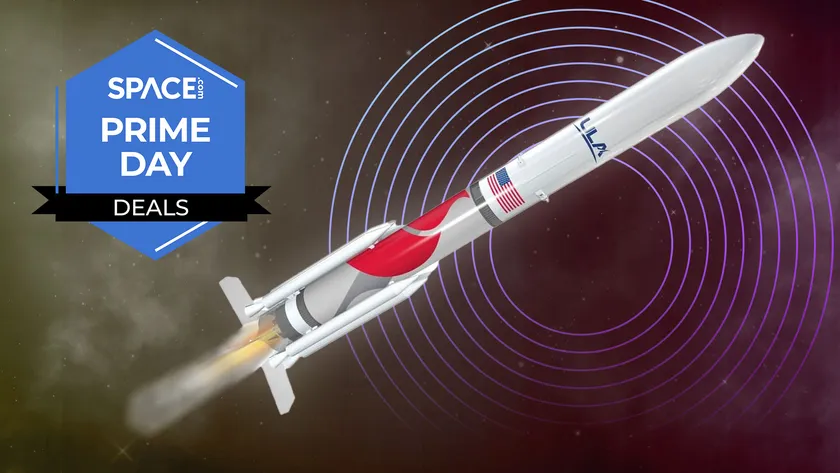
Deals One of the biggest names in model rockets, Estes, has released the ULA Vulcan, based on the real space vehicle. Here's where you can get your hands on it during World Space Week 2026, plus top deals on other model rockets.

A CME launched by sunspot AR 4549 is heading toward Earth, with NOAA modelling showing it could arrive early Oct. 9.

The four astronauts of SpaceX’s Crew-12 mission will head home to Earth Wednesday (Oct. 7) after nearly 10 months in space, and you can watch their journey live.

