Look to the east-northeastern horizon before dawn on Monday (June 27) to see the moon wrap up its monthly tour of the morning plants with Mercury.
"The silver sliver of the old moon's crescent will shine several finger widths to the upper left (or 3.5 degrees to the celestial north) of the bright dot of Mercury," writes Chris Vaughan, amateur astronomer with SkySafari Software who oversees Space.com's Night Sky calendar.
The pair will be close enough to share the view of a pair of binoculars (represented by the green circle in the image). But Vaughan warns observers to turn optics away from the eastern horizon before the sun rises.
Related: The brightest planets in June's night sky: How to see them (and when)
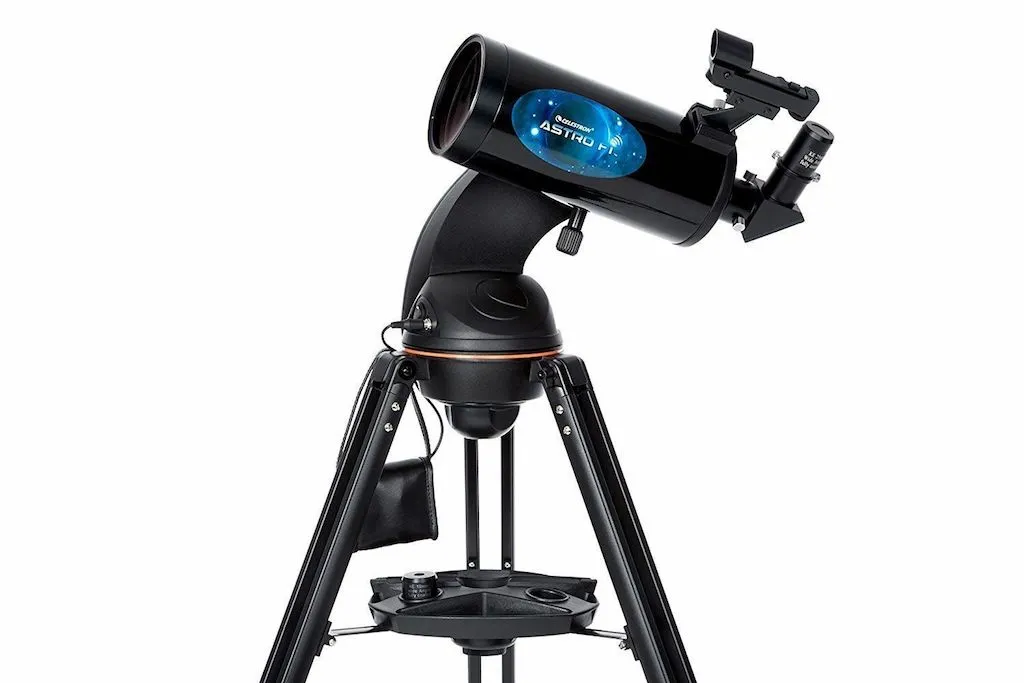
Looking for a telescope for the next planet sight or skywatching event? We recommend the Celestron Astro Fi 102 as the top pick in our best beginner's telescope guide.
The moon may be rather tricky to spot at first glance as it will be a very thin crescent, only 3% illuminated, according to Space.com's skywatching columnist Joe Rao.
If you're after an extra skywatching challenge, look out for Aldebaran. The orange first-magnitude star will be shining about 7 degrees to the left of Mercury according to Rao.
Monday morning is also your last good chance to catch a glimpse of the moon joining in with the rare planetary alignment that has been present this month. Throughout June left to right Mercury, Venus, Mars, Jupiter and Saturn have lined up in their orbital order from left to right in the southeastern sky.
Hoping to capture a good photo of the moon and mercury? Our guide on how to photograph the moon has some helpful tips. If you're looking for a camera, here's our overview of the best cameras for astrophotography and best lenses for astrophotography. As always, our guides for the best telescopes and best binoculars can help you prepare for the next great skywatching event.
Editor's note: If you take a photograph of the moon near Mercury, let us know! You can send images and comments in to spacephotos@space.com.
Follow us on Twitter @Spacedotcom and on Facebook.