



Stargazers, Rejoice! Largest 'Dark Sky' Reserve Named
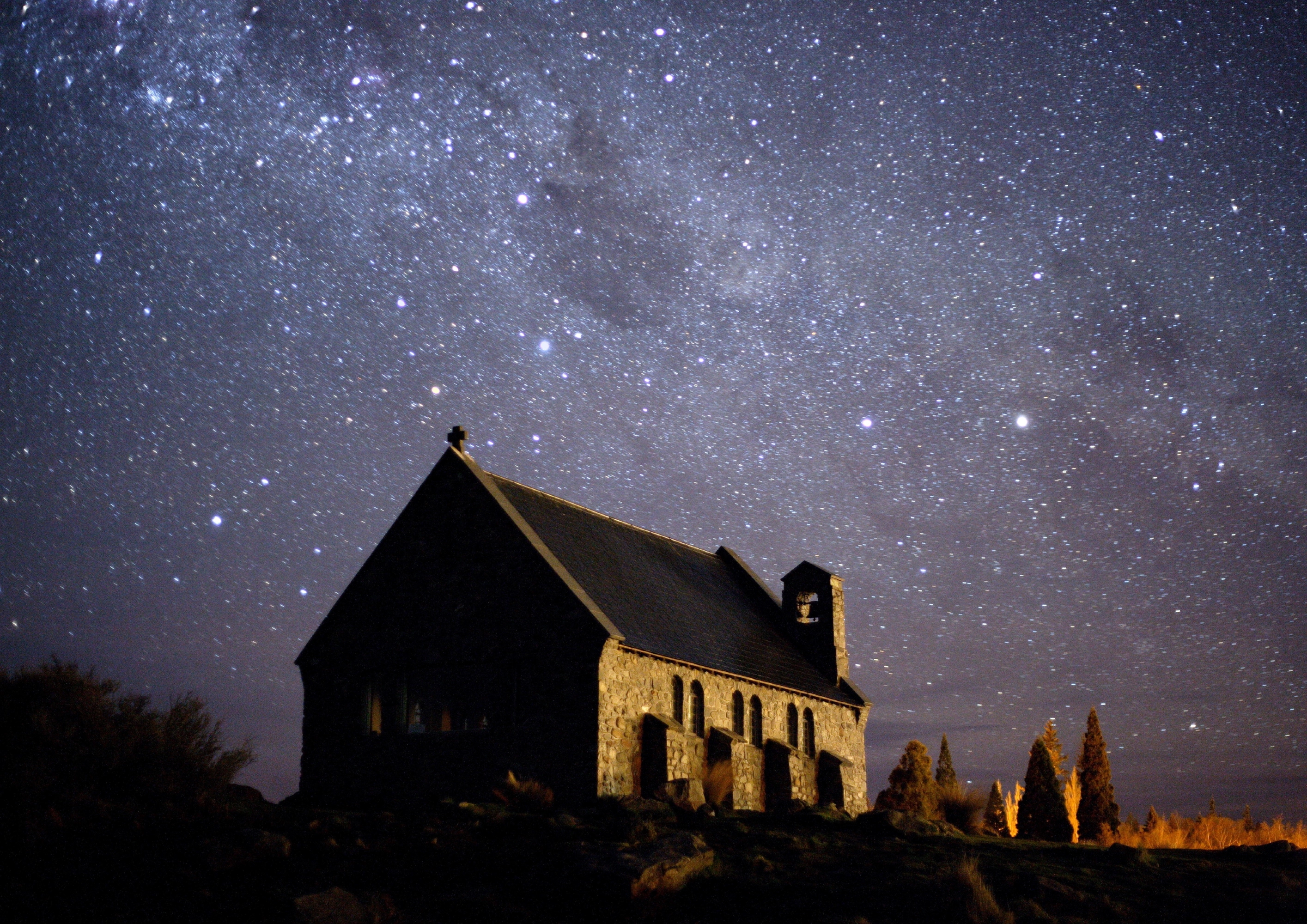
A huge portion of New Zealand's South Island has been designated as the world's largest International Dark Sky Reserve, making it one of the best places for stargazing on the globe.
"The new reserve is coming in at a 'Gold' level status," said the International Dark-Sky Association's executive director Bob Parks in a statement. "That means the skies there are almost totally free from light pollution. To put it simply, it is one of the best stargazing sites on Earth."
To qualify to be a reserve, areas need to be endowed with dark skies and virtually no light pollution.
The new reserve includes Aoraki/Mt. Cook National Park and the Mackenzie Basin, and has been dubbed the "Aoraki Mackenzie International Dark Sky Reserve." It is the fourth such dark sky reserve in the world and covers more than 1,600 square miles (4,144 square kilometers).
This week's announcement coincides with the Third International Starlight Conference, a United Nations-led effort that emphasizes a star-filled night sky is part of the common heritage of mankind and that protections are necessary to ensure that present and future generations will be able to see the stars.
Last month, the IDSA announced the formation of the first such spot in Africa, the NamibRand Nature Reserve, a private nature reserve in southern Namibia.
Organizers of the new reserve in New Zealand recognize that the night sky played a critical role in the area's history as its first residents, the Maori, used it not only to navigate to the island but also made astronomy and star lore a part of their culture and daily lives. Mackenzie Basin has the clearest, darkest and most spectacular night sky in New Zealand, according to the IDSA statement.
Outdoor lighting controls were first put into place in the area during the early 1980s. They have helped not only to minimize light pollution for the nearby Mt. John Observatory, but to conserve energy, protect wildlife and make the area a popular one for stargazers.
This story was provided by OurAmazingPlanet, a sister site to SPACE.com. Follow OurAmazingPlanet for the latest in Earth science and exploration news on Twitter @OAPlanet. We're also on Facebook and Google+.