At acelebration of NASA's 50th anniversary held outside Washington, DC late lastmonth, a champagne toast was offered in recognition of the five decades ofexploration that the agency had accomplished. NASA had put men on the moon,sent probes to the planets, and improved our understanding of life here athome.
As invitedguests raised their glasses, many noticed that on the side of the flute wasimprinted with the logo for NASA's 50years. As the toast ended and the glasses were emptied, some held onto tothe stemware as a souvenir of the event and NASA's anniversary.
Theseglasses were just the latest example of five decades ofcommemorative mementos collected in the wake of NASA's crowning spaceachievements.

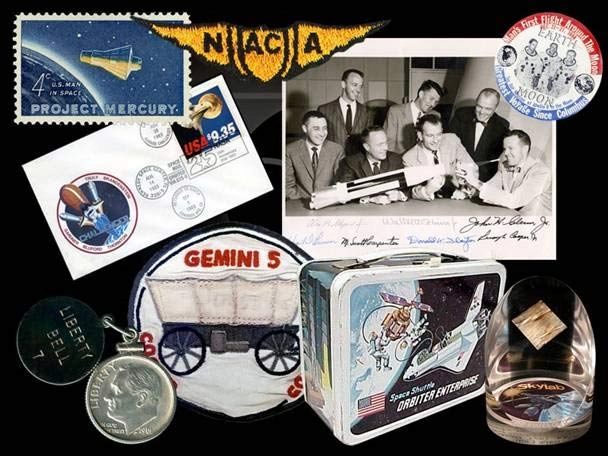
The public,enamored by space exploration, has long desired to own a piece of NASA'sadventures. In some instances, the space agency met this longing by sharingmemorabilia that had been carried to orbit on some of its flights. More often,companies looking to celebrate the United States' space achievements producedcollectibles inspired by NASA's missions and milestones.
Even theastronauts got into the game. While America's firstastronaut, Alan Shepard had only enough room to fly a U.S. flag on hissub-orbital Mercury flight, Virgil "Gus" Grissom, who followedShepard to space, packed his spacesuit pockets with miniature Mercury capsulesand rolls of Roosevelt dimes. Originally intended for friends and familymembers, these early space-flown trinkets have been passed down and traded tobecome very popular NASA collectibles.
In theyears that followed, astronauts extended the tradition, flying mementos forthose close to them, but also carrying medallions for themselves. They designedmission patches, small embroidered and silk-screened emblems that uniquelyrepresented their flight. Replicas of these insignia were produced for thepublic and the hobby of space patch collecting was born. Today, hundreds ofindividual designs offer a colorful timeline to space history and alloweveryone the chance to own a tangible connection with their favorite spaceexplorers and missions.
Astronautautographs were also immensely popular. No sooner had NASA announced its firstseven astronauts in 1959, were requests for the newly named American heroes'signatures received. NASA did its best to fulfill every request but the demandwas so great, that had the astronauts answered every mailed-in appeal, theywould have barely been left the time to train and fly. To balance this, NASAsometimes employed a machine — an "autopen" — that traced a patternbased on the astronauts' signatures onto photographs, books and other itemssent in by the public. To this day, children (of all ages) from around theworld write NASA for astronauts' autographs and continue to receive authenticand autopenned responses.
That's notto say that all NASA space collectibles are focused on the crewed missions.Mementos from the agency's unmanned efforts to explore the solar system andbeyond have also been sought. Model and toy versions of planetary probes, suchas the Mars rovers, flew off store shelves. Postage stamps celebrating themagnificent imagery captured by the Hubble Space Telescope were saved by morethan just stamp collectors, but by those who desired a souvenir of the orbitingobservatory.
When NASAwas established in October 1958, so was the hobby of collecting NASAmemorabilia. For 50 years, the public has celebrated the space agency throughthe commemorative items it has inspired. And as NASA looks forward to its next50 years exploring space, so will the public seek to own a part of thoseachievements.
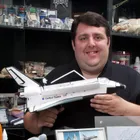
For ayear-by-year tour of the first 50 years of space collectibles, click through tocollectSPACE.com, a Houston-based website for space history enthusiasts.
- NewVideo — 50 Years of NASA: Part 2
- Video:50 Years of NASA — Part 1
- 50 Years inSpace: NASA's Roadmap to 2058