Waterfrom recycled astronaut urine is riding the space shuttle Discovery back toEarth after the successful test of a vital urine processor aboard theInternational Space Station this week.
Astronautswere expecting to pack about four or five liters of water samples from thestation's urine recycler aboard Discovery before the shuttle'sWednesday departure from the orbiting laboratory so they can be returned toEarth for analysis before the system can be declaredfit for human consumption.
"I'mlooking forward to drinking it and finding out how it tastes," saidJapanese astronaut Koichi Wakata said in a televised interview this week.Wakata is Japan's first long-term station resident and will be aboard thestation when the system may be ready.

Thewater samples taken today were siphoned from the station's potable water tapand other parts from its larger water recycling system after astronauts repaireda urine processor that broke down last December. In addition to recyclingurine, the system collects astronaut sweat, wastewater and condensation fromthe station's atmosphere to recycle back into pure water for drinking, bathingand oxygen generation.
NASAwants to make sure the recycled water is ready to support the station's plannedjump to six-person crews — double the current size — for the long term.
"Wehad great success with the operation of the urine processor assembly,"station flight director Kwatsi Alibaruho told reporters from Houston this week.
Thestation's urine recycler began distilling astronaut urine back into pure waterlate Sunday night for the first time since it broke just weeks after beinginstalled in late November.
Engineerstracked the glitch to acentrifuge-like distillation assembly, which spins to begin filtering purewater from waste. Discovery astronauts delivered a replacement for that180-pound (81-kg), which the spaceflyers installed and tested over the weekendto apparent success. The new part did not make any of the loud noise andvibrations associated with its broken counterpart, the astronauts said.
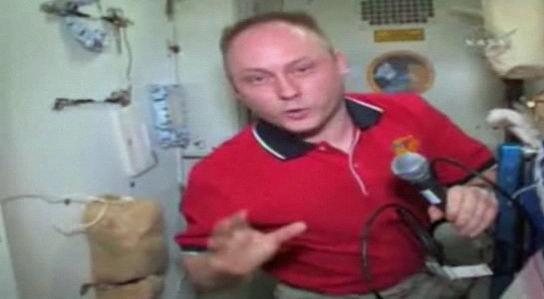
"It'samazing to watch," station commander Michael Fincke radioed MissionControl during the test. "This bodes very well. This feels very, verysmooth."
Discovery'sseven-astronaut crew is in the homestretch of a 13-day mission to deliverWakata and the last pair of U.S. solar arrays to the space station. Returninghome aboard Discovery is NASA astronaut Sandra Magnus, whom Wakata replaced, asshe completes a 4-1/2-month mission at the station.
Theshuttle is also bringing about five months' worth of blood and other biologicalsamples from station experiments to waiting scientists on Earth.
Theastronauts will undock from the orbiting laboratory Wednesday afternoon and aredue to land Saturday.
SPACE.comis providing continuous coverage of Discovery's STS-119 mission to the spacestation, with reporter Clara Moskowitz at Cape Canaveral and senior editorTariq Malik in New York. Clickhere for mission updates and SPACE.com's live NASA TV video feed.
- New Video - Tour the Space Station's Bathroom
- Video - Drinking Water From Space Urine
- New Show - Inside the International Space Station
